
How To
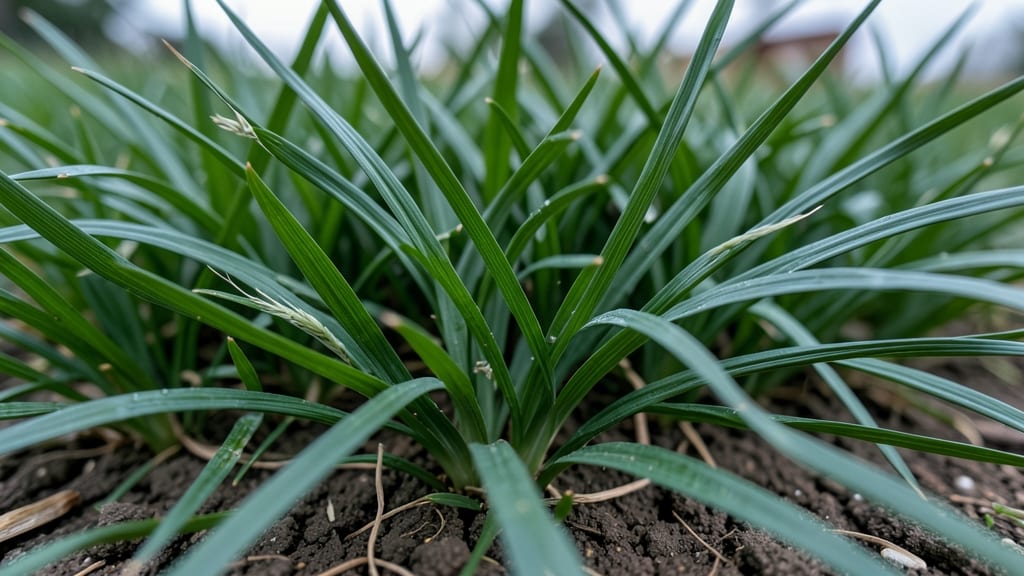
If you're dreaming of a lush, low-maintenance lawn in Georgia, planting centipede grass at the wrong time could leave you staring at bare patches instead of that perfect green carpet.
The key to success isn't just picking a random spring day—it's understanding how soil temperature and your local microclimate work together to create the ideal growing conditions.
Georgia's 7b-8b climate gives you a narrow but crucial window between late spring and early summer when the ground warms to 65°F+—perfect for this heat-loving grass.
But here's the catch: coastal areas like Savannah have a longer window than Piedmont regions, where summer heat can stress young plants if you're too late. Let me show you exactly when to plant for your specific corner of the state.
We'll break down the science behind soil readiness, including how to test your ground and what signs to watch for. You'll also discover why April-June is the gold standard for most Georgians—and how to adjust if you're dealing with urban heat islands or rural drought patterns.
Skip the guesswork and get your lawn off to the strongest start possible.
Ready to transform your yard into a drought-resistant, low-maintenance oasis? The timing decisions you make now will determine how quickly your centipede grass spreads and thrives. Let's get those roots growing the right way from day one.
Best planting months for centipede grass in Georgia based on soil temperature
Centipede grass thrives in Georgia’s warm climate, but planting it at the right time ensures strong root growth and a lush lawn. The ideal window is late spring to early summer—typically May through June—when soil temperatures consistently stay above 65°F.
This timing aligns with Georgia’s USDA Zones 7b-8b, where frost-free days stretch from March 15 to November 15.
Why soil temperature matters so much? Centipede grass germinates best when the ground is warm enough to support microbial activity and root development. Cold soil (below 60°F) slows germination, leading to patchy growth or even failure.
Use a soil thermometer to confirm readiness—plant only when temperatures hold steady at 65°F+ for 5+ days.
For coastal Georgia (e.g., Savannah or Brunswick), the window extends slightly earlier—April to early June—thanks to milder winters and slower soil cooling. Inland areas (e.g., Atlanta or Athens) may need to wait until late May to mid-June to avoid late frosts or unpredictable spring weather.
| Region | Ideal Planting Window | Soil Temp Requirement | Key Consideration |
|---|---|---|---|
| Coastal (Savannah, Brunswick) | April 15 – June 15 | 65°F+ consistently | Higher humidity; monitor fungal risks |
| Piedmont (Atlanta, Athens) | May 15 – June 30 | 65°F+ for 7+ days | Drier soil; water deeply post-planting |
| Northwest (Dalton, Rome) | Late May – July 15 | 70°F+ (cooler nights) | Later frosts possible; extend window |
If you’re planting sod instead of seed, the window shifts slightly. Sod establishes faster, so you can plant as early as April in coastal areas or May inland, as long as soil temps are stable. Seed, however, needs the full 65°F+ window for germination.
Pro tip: Avoid planting in July or August, even if soil is warm. The intense summer heat can stress young grass, leading to dormancy or brown patches. Instead, opt for late spring when temperatures are warm but not extreme.
One more critical factor: rainfall patterns. Georgia’s spring showers provide natural moisture, but droughts can occur. If planting in May or June, supplement with 1 inch of water weekly until roots establish (about 3–4 weeks).
Use a rain gauge to track moisture—centipede grass prefers moderate, consistent watering over deep soaks.
For established lawns, the best time to overseed or repair is early fall (September), when soil is still warm but air temps cool. This mimics the natural growth cycle of centipede grass, which slows in summer heat and winter dormancy.
Remember: Soil prep is half the battle. Test your soil’s pH (ideal range: 5.0–6.0) and amend with compost or peat moss if needed. Centipede grass dislikes alkaline soil, so adjust with sulfur if your test shows pH above 6.5.
By aligning your planting with soil temperature, regional microclimates, and rainfall, you’ll give your centipede grass the best shot at thriving in Georgia’s challenging but rewarding climate. 🌱
How Georgia’s microclimates affect centipede grass planting timing
Georgia’s diverse geography means your centipede grass planting window can vary dramatically depending on whether you live near the coast or in the Piedmont region.
While Savannah’s coastal climate extends the ideal planting season into early July, inland areas like Atlanta’s urban heat islands may need to start planting by late April to avoid summer heat stress. These microclimates create real differences in soil warmth, humidity, and drought risks that directly impact your grass’s success.
Coastal areas benefit from moderate temperatures and higher humidity, giving you a 6-8 week window from late April through June. Meanwhile, Piedmont regions face hotter, drier summers, which can scorch young plants if seeded too late.
Even within cities, urban heat islands can make sidewalks and parking lots 10-15°F warmer than surrounding areas, creating micro-zones where planting timing must be adjusted.
Let’s compare how these conditions play out in real-world scenarios. Coastal gardeners often enjoy softer transitions between seasons, while inland growers must work against intense summer heat that can dry out soil rapidly. Understanding these patterns helps you choose the perfect moment to plant for your specific location.
Coastal Georgia (Savannah)
Piedmont Georgia (Atlanta)
✅ Pros:
- Longer window (April-July)
- Higher humidity reduces drought stress
- Softer summers ease heat shock
✅ Pros:
- Warmer soil speeds germination
- Established earlier avoids late-season pests
- Less fungal risk from prolonged moisture
❌ Cons:
- Higher fungal risk from humidity
- Saltwater intrusion near coastlines
- Slower drainage in low-lying areas
❌ Cons:
- Shorter window (April-May ideal)
- Intense heat dries soil quickly
- Urban pollution affects soil quality
🌡️ Key Difference: Coastal areas gain 2-3 extra weeks of planting flexibility compared to Piedmont.
If you’re in a rural area, drought-resistant planting strategies become critical. The drought-prone Piedmont benefits from deep watering schedules and mulching to retain moisture, while coastal regions should focus on improving drainage to prevent waterlogging.
Even within cities, shady microclimates under trees may require adjusted timing—planting in late May instead of April to avoid cool, damp soil.
Pro tip: Use a soil thermometer to verify 65°F+ soil temps before planting, regardless of your microclimate. This simple tool eliminates guesswork and ensures your centipede grass gets the warm start it needs to establish strong roots.
Coastal gardeners can afford to wait until June, while Piedmont growers should aim for mid-April to early May to beat the summer heat.
Remember, even within the same city, your yard’s microclimate matters. South-facing slopes warm up faster than north-facing areas, and paved surfaces nearby can create heat pockets that alter planting conditions.
Pay attention to these details, and you’ll give your centipede grass the perfect growing conditions tailored to your exact corner of Georgia. 🌱