
Plants
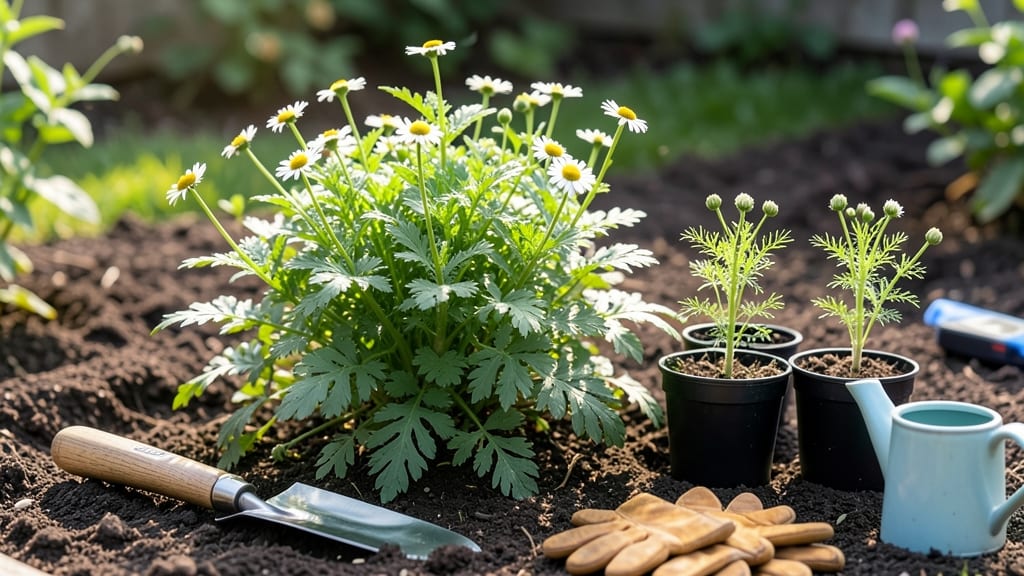
Planting chamomile in Texas isn’t just about timing—it’s about surviving the heat without your delicate 🌼 turning into a sad, crispy memory. The key to lush, bolt-free chamomile lies in those cool-ish months when the sun isn’t trying to fry your garden before it even gets started.
Most Texas gardeners make the mistake of planting too early, only to watch their chamomile bolt into flower stems faster than you can say "summer heatwave." But here’s the secret: fall and early spring are your best bets for establishing strong roots before the real Texas furnace kicks in.
Whether you’re in North Texas or down in the Rio Grande Valley, the ideal planting window is September through November for fall or February to March for spring. This gives your chamomile enough time to grow without the stress of 100-degree afternoons forcing it into early bloom.
Ready to avoid the bolt and enjoy fresh chamomile tea all season? Let’s break down exactly when—and how—to plant for Texas’ unique climate zones, so you can skip the guesswork and enjoy those sweet, white blooms instead.
Best months to plant chamomile in Texas (avoiding heat stress & bolting)
Texas’s sweltering summers and unpredictable frost dates make timing critical for chamomile success. Unlike many herbs, chamomile hates heat stress—planting too early in spring or too late in fall risks bolting (premature flowering) or stunted growth.
The key? Fall planting is your best bet, but spring works too—if you act fast.
Chamomile thrives in Texas’s USDA Zones 8a-10b, where winters are mild and summers brutal. The ideal window is September to November for fall planting, giving roots time to establish before winter.
Spring planting? Aim for February to early March—after frost risk passes but before April’s scorching heat triggers bolting.
Here’s the breakdown: North Texas (Zone 8a) has earlier frost dates (first frost ~December 1), while South Texas (Zone 10b) stays frost-free year-round. Adjust your timing accordingly—6-8 weeks before first frost is your safety zone for fall planting.
| Planting Window | Texas Zones | Key Considerations | Risk Level |
|---|---|---|---|
| September 15 - October 15 | 8a-10b | Soil temps cool; bolting risk low | ✅ Low |
| October 16 - November 15 | 8a-9b | 6-8 weeks before frost; roots establish | ✅ Low |
| February 1 - March 15 | 8a-10b | After frost risk; water deeply | ⚠️ Medium (heat stress risk) |
| April 1 - May 15 | All zones | High bolting risk; avoid | ❌ High |
| June - August | All zones | Extreme heat; not recommended | ❌ High |
Spring planting in Texas is a high-risk, high-reward gamble. If you miss the February-March window, chamomile will bolt by April’s 90°F+ days. For spring success, use shade cloth (30-50% coverage) to delay bolting and water deeply every 5-7 days.
Pro tip: Direct sow seeds instead of transplanting—chamomile hates root disturbance. Scatter seeds ¼-inch deep in well-draining soil with 6+ hours of sun. Mulch with straw or pine needles to retain moisture and regulate soil temps.
Texas’s variable frost dates mean your local cooperative extension office is your best resource. For example, Dallas (Zone 8a) has a last frost of January 15, while Austin (Zone 8b) sees frost December 15. Plant accordingly—earlier in North Texas, later in South Texas.
Container growing extends your options. Pots dry faster in Texas heat, so use self-watering containers or bury pots halfway in the ground for insulated roots. This lets you plant 2-4 weeks later than in-ground chamomile.
Watch for heat stress signs: yellowing leaves, wilting stems, or flowers that bolt prematurely. If this happens, move plants to partial shade and increase watering to every 3-5 days. Chamomile is resilient—with the right timing, you’ll enjoy blooms from April to October.
Remember: Texas chamomile isn’t your grandma’s tea herb—it’s a heat-tolerant, drought-resistant powerhouse when planted right. Skip the summer months, and you’ll reap fragrant blooms and zero bolting stress.
Best months to plant chamomile in Texas (avoiding heat stress & bolting)
Texas’ USDA Zones 8a-10b bring intense heat that can turn chamomile into a bolt-prone disaster if planted at the wrong time. The key is planting when soil temperatures dip below 80°F—this prevents the plant from rushing into flowering mode too soon.
For most Texans, that means focusing on fall and early spring windows.
Chamomile thrives in cool-season escapes from summer’s wrath. In North Texas (Zones 8a-8b), aim for September through November to beat the first frost (typically mid-December). South Texas gardeners (Zones 9a-10b) have a slightly longer window—August through October—thanks to milder winters.
| Texas Region | Best Planting Window | Soil Temp Goal | Avoid Planting After |
|---|---|---|---|
| North Texas (Zones 8a-8b) | September–November | Below 80°F | Mid-November (frost risk) |
| Central Texas (Zones 8b-9a) | August–October | Below 85°F | Late October (heat spikes) |
| South Texas (Zones 9b-10b) | July–September | Below 90°F | Early October (humidity rises) |
| Spring Planting (All Regions) | February–March | Above 50°F | April (heat stress) |
Spring planting is also viable in Texas, but rush it, and your chamomile will bolt by June. Stick to February–March when soil temperatures stabilize above 50°F. This timing ensures your plants establish roots before Texas’ 100°F+ summers arrive.
Pro tip: Test soil temperature before planting—use a soil thermometer (or your finger: if it’s too hot to touch for 5 seconds, wait). Chamomile roots need 60–75°F soil to thrive without stress.
For container-grown chamomile, you’ve got a tiny edge: pots warm up faster than garden beds. Plant 1–2 weeks earlier in fall or 1–2 weeks later in spring to extend your window. Just ensure containers have drainage holes—Texas heat + soggy soil = root rot.
Remember: Fall planting wins for Texas gardeners. Your chamomile will bloom in spring (April–May) before summer’s heat forces it into early retirement. Start seeds indoors 6–8 weeks before your target outdoor date for a head start.