Plants
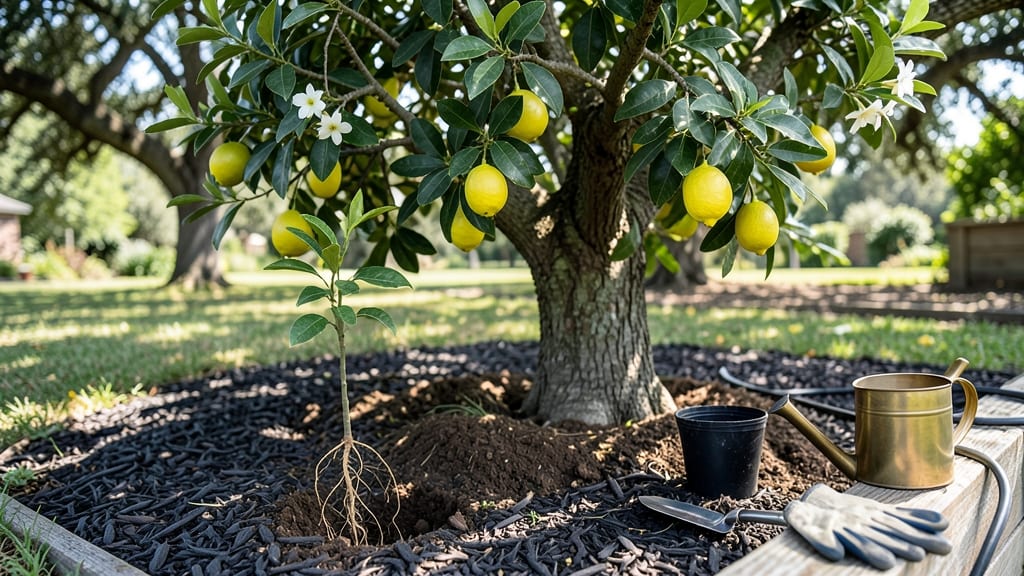
Planting citrus trees in Arizona might seem like a no-brainer—after all, who doesn’t love the idea of fresh 🍊 lemons and oranges growing right in your backyard? But timing your citrus planting isn’t just about sticking a tree in the ground and hoping for the best.
The wrong window could leave your investment struggling through extreme heat or frost, stunting growth or worse.
Here’s the secret: Arizona’s diverse climate zones mean what works in Phoenix might fail in Flagstaff. Whether you’re in the low desert’s 9b zone or a cooler high-desert area, the ideal planting window stretches from November through March, when temperatures are mild and frost risks are low.
This isn’t just a suggestion—it’s the key to giving your citrus the best start possible.
In this guide, I’ll break down exactly when to plant—whether you’re going for container-grown trees or bare-root varieties—and how to prep your soil for success. We’ll also cover frost protection tips and microclimate tricks to keep your citrus thriving year-round. Ready to grow citrus like a pro? Let’s get started.
From choosing the right variety for your heat zone to avoiding common pitfalls, you’ll learn everything you need to turn your Arizona yard into a citrus paradise. No more guesswork—just thriving trees and homegrown fruit in no time.
Best months to plant citrus trees in Arizona’s heat zones
Arizona’s diverse climate zones—from the low-desert valleys of Phoenix to the cooler high-desert regions of Flagstaff—dictate the perfect planting window for citrus trees. Unlike temperate climates, Arizona’s mild winters and intense summers mean timing is critical to avoid heat stress or frost damage.
The ideal window spans November through March, when temperatures are cool enough for root establishment but not yet scorching.
Citrus trees, including lemon, orange, and grapefruit varieties, thrive in USDA Zone 9b, which covers most of Arizona. However, microclimates matter—low desert areas (like Yuma) can handle earlier spring plantings, while higher elevations (like Prescott) require later fall plantings to avoid unexpected frosts.
Understanding your specific zone ensures your tree gets a healthy start without struggling through Arizona’s extremes.
Here’s the breakdown of optimal planting months tailored to Arizona’s three key climate zones, including temperature thresholds and seasonal risks:
| Zone | Ideal Planting Months | Temperature Range | Key Risks | Pro Tips |
|---|---|---|---|---|
| Low Desert (Phoenix, Tucson) | November–March | 50–75°F (daytime) | Heat stress after March, late frosts | Use windbreaks; mulch heavily |
| Mid-Altitude (Mesa, Sedona) | December–February | 40–65°F (daytime) | Frost risk in Jan/Feb | Plant near south-facing walls |
| High Desert (Flagstaff, Prescott) | Late February–April | 35–60°F (daytime) | Late frosts, shorter growing season | Choose dwarf varieties for containers |
For container-grown citrus trees, you can extend planting into April in low-desert areas, but prioritize shade cloth during the first summer to acclimate roots. Bare-root trees, however, must be planted in winter to avoid transplant shock when temperatures rise.
Always check your local Arizona Cooperative Extension frost dates—even Phoenix can see unexpected 28°F dips in January.
Avoid planting in summer months (May–September), when Arizona’s 110°F+ heat can scorch young roots. Even established trees struggle without deep shade and extra water during these months.
If you’re in a high-desert zone, consider waiting until late spring to give your tree time to harden off before the first frost.
One of my biggest mistakes was planting a Meyer lemon in May—it survived, but growth was stunted for two years. The lesson? Patience pays off. A tree planted in December will often bear fruit within 2–3 years, while a summer-planted tree may take 5+ years to recover.
For fastest results, aim for November or February, when soil is cool and rainfall is more reliable.
If you’re in a transition zone (like the White Mountains), opt for cold-hardy citrus hybrids like ‘Carrizo citrange’ or ‘Satsuma mandarin’, which tolerate brief 20°F dips. These varieties can sometimes be planted in early spring without risking frost damage.
For standard citrus, though, stick to winter—it’s the only safe bet for Arizona’s unpredictable climate.
Pro tip: Monitor your local weather using the National Weather Service or Arizona Meteorological Network (AZMET). These tools predict heatwaves and frost alerts, helping you adjust planting plans. For example, if a 30°F night is forecasted in January, delay planting until temps stabilize above 40°F.
Finally, consider microclimates within your yard. A south-facing wall can add 5–10°F warmth, extending your planting window by 2–4 weeks. In contrast, low-lying areas may experience colder air pooling, increasing frost risk. Use these natural advantages to your advantage when selecting a planting spot.
With the right timing and preparation, your citrus tree will thrive in Arizona’s unique climate
Best months to plant citrus trees in Arizona’s heat zones
Arizona’s diverse climate zones—from the scorching low desert to cooler high-desert elevations—dictate precise planting windows for citrus. In USDA Zone 9b (most of Arizona), citrus thrives when planted during cool-season months, but timing varies by elevation.
Low-desert areas like Phoenix can plant slightly later, while Flagstaff’s cooler microclimates need earlier starts to avoid late-spring frosts.
The ideal planting window spans from November through March, aligning with Arizona’s mild winter temperatures (40°F–70°F). This period ensures young roots establish before summer’s 100°F+ heat stresses new growth. Container-grown citrus can be planted through April, but bare-root trees must go in by February to avoid transplant shock.
🌱
| Zone | Best Planting Months | Temperature Range | Key Considerations |
|---|---|---|---|
| Low Desert (Phoenix, Tucson) | November–March | 50°F–75°F | Avoid summer planting; use windbreaks for desert winds. |
| Mid-Altitude (Prescott, Sedona) | October–February | 40°F–65°F | Watch for late frosts (after Jan 10); protect with row covers. |
| High Desert (Flagstaff, Show Low) | September–January | 35°F–55°F | Plant dwarf varieties; use microclimate shelters for frost. |
For container-grown citrus, flexibility extends to April in low-desert zones, but bare-root trees planted after March 1st risk transplant shock as temperatures rise.
In Flagstaff’s Zone 7a, citrus must be planted by January to avoid frost damage—even hardy varieties like Carrizo citrange struggle with temps below 28°F.
Pro tip: Test soil moisture before planting—Arizona’s clay-heavy soils dry rapidly. Amend with organic matter (compost or peat moss) to improve drainage and retain moisture during establishment. Mulch with wood chips to protect roots from extreme temperature swings.
🌡️
If you miss the ideal window, don’t despair. Potted citrus can be planted in late spring (May) with extra shade and daily watering to mitigate heat stress. However, in-ground plantings after April 15th often fail due to root zone overheating.
For best results, align your planting with Arizona’s natural dormancy cycle—just like the citrus groves in Yuma and Maricopa County.