Trees
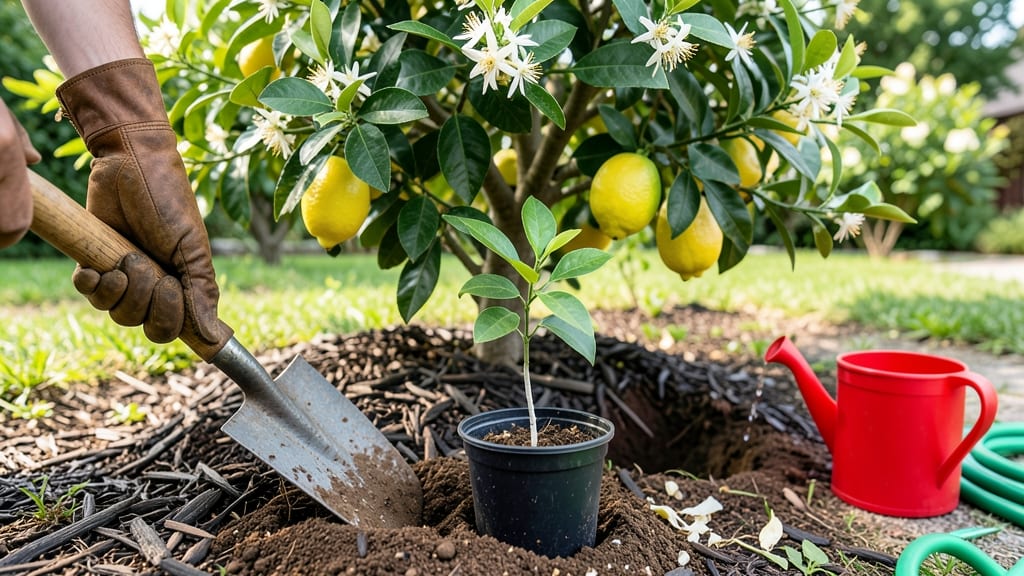
Timing your Citrus Tree 🍊 planting in Phoenix isn’t just about the calendar—it’s about outsmarting the desert’s brutal summers and making the most of its mild winters.
Plant too early, and your tree might struggle with heat stress; too late, and it won’t establish strong roots before the next growing season kicks in.
Here’s the secret: The best window to plant in Phoenix’s 9b zone runs from late November through March, when temperatures are cooler and rainfall is more reliable. This gives your citrus tree the ideal head start, helping it develop a robust root system before the scorching heat of summer arrives.
Why does this matter? Because a well-timed planting means faster growth, fewer pests, and—most importantly—fruit that actually ripens. I’ll walk you through the exact steps to prep your soil, choose the right varieties, and avoid common mistakes that can turn your citrus dream into a desert mirage.
Let’s get your Citrus Tree 🍊 off to a strong start—without waiting for summer to fry your efforts before they begin.
Best months to plant citrus trees in Phoenix’s heat zone
Phoenix’s USDA Zone 9b climate means citrus trees can thrive year-round—but timing is everything. Planting outside the ideal window exposes young trees to transplant shock or extreme heat stress. The best months to plant are November through March, when temperatures are mild and rainfall is more consistent.
This window aligns with Phoenix’s cool-season growth period, giving your citrus tree time to establish roots before the scorching summer heat arrives.
If you miss this window, your second-best option is late October or early April, but these come with higher risks of heat stress or drought conditions.
Here’s why these months work best: cooler temperatures reduce water evaporation from the soil, and shorter daylight hours help young trees conserve energy. Plus, the monsoon season’s end (September-October) means soil moisture is still relatively high, giving your tree a head start.
| Planting Window | Temperature Range | Soil Prep | Key Considerations |
|---|---|---|---|
| November | 55°F–75°F | Amend with compost | Ideal for root establishment |
| December | 45°F–65°F | Mulch heavily | Avoid frost pockets |
| January–February | 50°F–70°F | Test soil pH (6.0–7.0) | Best for container planting |
| March | 60°F–80°F | Add organic matter | Last chance before heat |
| October (late) | 75°F–90°F | Deep watering required | Higher heat stress risk |
If you plant in March, choose a shaded location temporarily while the tree adjusts. Young citrus trees are frost-sensitive, but Phoenix’s mild winters mean you don’t need to worry about frost damage—just avoid planting during heatwaves (June–September).
For container-grown citrus, you can plant year-round, but the same temperature rules apply. Containers dry out faster in Phoenix’s heat, so water deeply every 3–5 days during summer months. Use a well-draining potting mix with added perlite to prevent root rot.
Pro tip: Acclimate your tree before planting. If you buy a potted citrus tree in summer, keep it in a shady spot for 1–2 weeks to reduce transplant shock. Gradually move it to full sun over 7–10 days once temperatures cool.
Phoenix’s desert soil is often alkaline and nutrient-poor, so amend it with compost or aged manure before planting. Aim for a 6.0–7.0 pH level—citrus trees thrive in slightly acidic to neutral soil. If your soil is too alkaline, mix in sulfur or peat moss to adjust the pH.
After planting, mulch around the base with 2–3 inches of organic mulch (like wood chips) to retain moisture and regulate soil temperature. This is especially critical in Phoenix’s dry climate, where mulch can reduce water evaporation by up to 50%.
Finally, avoid fertilizing for the first 6–8 weeks after planting. New roots need time to establish without competing for nutrients. Once established, feed with a balanced citrus fertilizer (like 6-6-6 NPK) in early spring and fall to encourage healthy growth.
Best months to plant citrus trees in Phoenix’s heat zone
Phoenix’s 9b climate zone offers a year-round frost-free advantage, but timing your citrus tree planting still matters. The ideal window spans from late November through March, when daytime highs hover between 60°F and 75°F—perfect for root establishment without heat stress.
This period aligns with Phoenix’s cooler, wetter months, giving your tree access to natural moisture and reduced evaporation. Planting outside these months risks transplant shock from summer’s 110°F+ temperatures or winter’s occasional 30°F dips (though rare, they can damage young trees).
Here’s how to maximize success during these critical months:
| Month | Temperature Range | Key Actions | Avoid |
|---|---|---|---|
| November | 55°F–70°F | Soil prep, plant bare-root trees | Overwatering |
| December–February | 45°F–75°F | Mulch heavily, monitor for pests | Frost pockets |
| March | 65°F–85°F | Water deeply, fertilize lightly | Summer planting |
For container-grown citrus, you can extend planting into April, but prioritize shade cloth during the first 30 days to protect young leaves. Avoid planting in summer months—the intense sun and dry winds create stress that stunts root growth.
Pro tip: Test your soil’s pH (6.0–7.0) and amend with compost or citrus-specific fertilizer before planting. Phoenix’s alkaline soil often needs sulfur or peat moss to create the acidic environment citrus loves.
Once planted, focus on deep watering (1–2 inches per week) and mulching to retain moisture. By June, your tree should be established enough to handle Phoenix’s heat—just don’t expect fruit until year 3 or 4.