
Trees
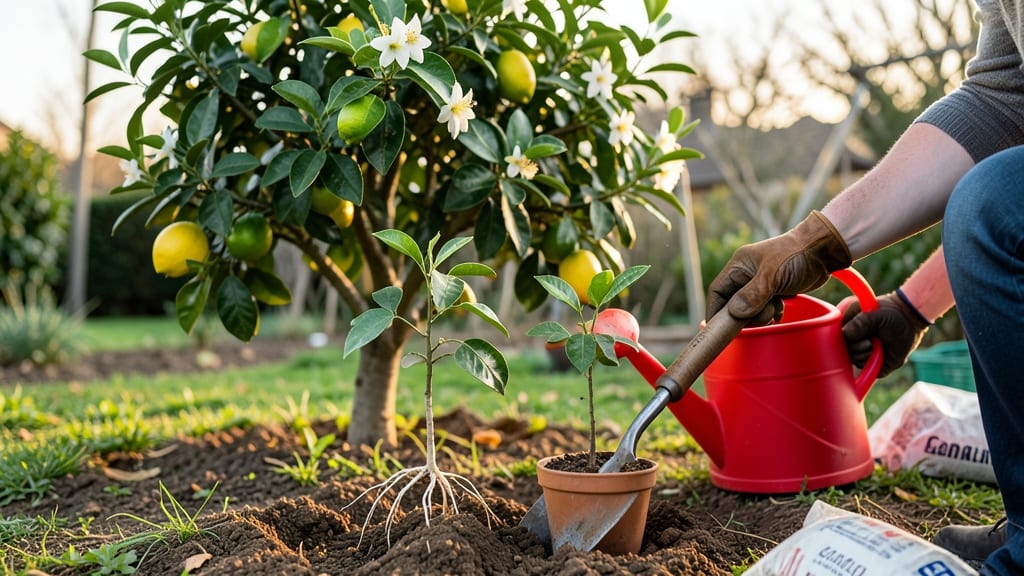
If you're dreaming of a backyard bursting with fresh 🍊 citrus fruit, knowing when to plant citrus trees in Zone 9 could make or break your success. Unlike colder climates, Zone 9's frost-free winters mean you've got a unique window to plant—without the usual spring rush.
The ideal months for planting citrus trees in Zone 9 are late winter to early spring, specifically February through March. This timing lets your tree establish roots before summer's intense heat arrives, setting the stage for strong growth and abundant harvests.
But here's the catch: planting too early or too late can stress your tree, leaving it vulnerable to pests or heat shock. I'll walk you through the best practices to ensure your citrus tree thrives year-round, from soil prep to choosing the perfect variety for your climate.
Whether you're a first-time gardener or a seasoned pro, these insights will help you avoid common mistakes and get the most out of your citrus investment. Let's get started!
Best months to plant citrus trees in Zone 9 for optimal growth
Zone 9 gardeners enjoy frost-free winters, but timing still matters for citrus trees. The ideal window is late winter through early spring—February to April—when soil warms and summer heat hasn’t yet arrived. This gives roots time to establish before the intense Zone 9 sun kicks in.
Unlike northern climates, you don’t need to wait for frost to pass. Since Zone 9 has no frost risk, focus instead on soil temperature. Aim for 60°F+ soil temps—test with a soil thermometer—to ensure roots thrive. Planting in March or April balances these factors perfectly.
Fall planting is also possible, but late summer to early fall (August-September) works best. This gives roots time to settle before cooler weather arrives. Avoid planting in peak summer heat (June-July), as stress from transplant shock can be deadly for young trees.
Here’s how the ideal months compare for citrus planting in Zone 9:
| Planting Window | Soil Temp Requirement | Key Advantage | Risk to Avoid |
|---|---|---|---|
| Late Winter (Feb-Mar) | 55-65°F | Balanced growth before summer heat | Cold snaps (rare but possible) |
| Early Spring (Apr) | 60-70°F | Optimal root establishment | Drought stress if planted too late |
| Fall (Aug-Sep) | 65-75°F | Avoids summer heat shock | Root stress before winter |
For container-grown citrus, flexibility increases. You can plant year-round in pots, but still avoid extreme heat (June-August) and winter chill (December-February). Containers dry out faster, so adjust watering accordingly—every 3-5 days in summer.
Watch for local microclimates. Coastal Zone 9 areas stay milder, while inland spots can experience brief cold snaps. If your region dips below 30°F, protect young trees with burlap wraps or move containers indoors. Mature trees handle chill better but still benefit from mulch protection.
Pro tip: Plant dwarf varieties like ‘Meyer lemon’ or ‘Calamondin orange’ in February-March for fastest fruit production. These adapt well to Zone 9’s climate and reward patience with year-round harvests.
After planting, prioritize deep watering (1-2 gallons per tree) and mulch application (3-4 inches). This keeps roots cool and retains moisture during the dry Zone 9 summers. With the right timing, your citrus tree will thrive for decades—producing fruit even in hotter months.
Best months to plant citrus trees in Zone 9 for optimal growth
Zone 9 gardeners enjoy frost-free winters, but timing still matters for citrus trees. The ideal window spans late winter to early spring (February through April), when soil warms but summer’s brutal heat hasn’t arrived yet. This gives roots 6-8 weeks to establish before intense sun and drought stress peak.
While Zone 9 has no frost risk, soil temperature below 60°F (15°C) can slow root growth. Aim to plant when daytime temps consistently stay above 65°F (18°C)—typically by mid-March in most of Zone 9. This balance prevents transplant shock while avoiding summer’s 100°F+ (38°C+) heat waves.
Fall planting (October-November) is a secondary option for container-grown citrus. Young trees benefit from cooler weather and established roots before winter’s mild chill. However, avoid planting after November 1st, as roots need time to harden before potential light frosts in inland Zone 9 areas.
🌱 Comparison: Zone 9 Citrus Planting Windows
| Season | Best Months | Soil Temp | Key Benefit |
|---|---|---|---|
| Spring | March-April | 65°F+ (18°C+) | Strong root growth before summer heat |
| Fall | October-Nov | 60°F-70°F (15°C-21°C) | Avoids summer stress; roots harden before mild chill |
| Summer | Avoid | 100°F+ (38°C+) | High transplant shock risk; heat stress |
⚠️ PRO TIP: Container-grown citrus can be planted year-round in Zone 9, but spring/fall still yield the best survival rates.
For bare-root citrus, plant immediately after purchase—roots dry out quickly. Container-grown trees offer more flexibility; you can plant them anytime, but spring or fall still give roots the best chance to adapt.
Always check local microclimates: Coastal Zone 9 stays warmer longer than inland areas, so adjust your timeline accordingly.
Watch for heat stress signs like yellowing leaves or wilting after planting. If summer arrives before roots establish (usually within 6-8 weeks), provide afternoon shade and mulch heavily to retain moisture. Dwarf varieties recover faster than standard-sized trees in these conditions.
Once planted at the right time, your citrus tree will reward you with year-round harvests—but getting those roots down in the ideal window makes all the difference. Start your calendar now for March planting to enjoy lemons by next summer! 🍋