
Plants
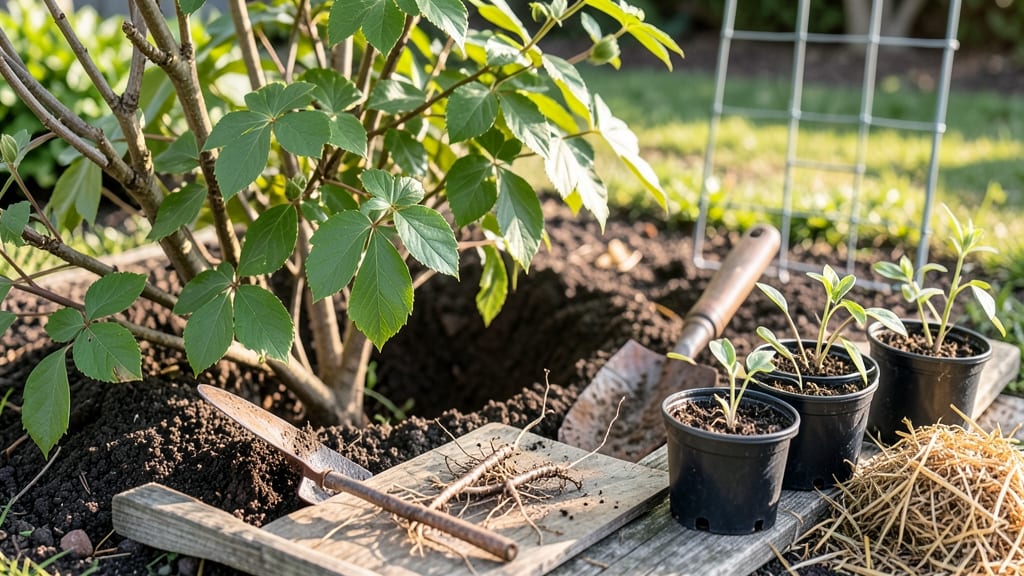
Timing your clematis planting in Ohio can make the difference between a vibrant, blooming vine 🌸 and a sad, frost-nipped disappointment. The exact window for planting these climbing beauties—typically between early and mid-spring—aligns perfectly with Ohio’s 6a zone and avoids those pesky late frosts that can derail your garden plans.
If you’ve ever wondered why your clematis struggled last year, the answer might be as simple as planting too early or too late. Ohio’s climate demands precision, and getting it right means your clematis will thrive from mid-summer to early fall with stunning flowers.
I’ll break down the perfect months to plant, soil prep tips, and even how to adjust for container growing—so you can skip the guesswork and start blooming with confidence.
Most gardeners in Ohio plant clematis in April or early May, but there’s more to it than just picking a month. We’ll cover how to check soil temperatures, when to avoid early spring risks, and why some varieties bloom better with a little extra care.
Whether you’re a first-time gardener or a seasoned pro, these insights will help you plant clematis like a local—no frost-related regrets included.
Ready to transform your garden? Let’s dive into the step-by-step guide that’ll have your clematis climbing, blooming, and stealing the show—exactly when and how Ohio gardeners do it best.
Ohio’s exact planting months for clematis: frost-free zones & hardiness
Ohio gardeners know the struggle: one day it’s 60°F, the next it’s 32°F with frost. For clematis, this unpredictability means the difference between vibrant blooms and withered vines. The key? Planting when soil temperatures stay above 50°F and frost risk drops to near zero.
In Ohio’s USDA Zones 5b-6a, this typically lands in mid-April to early May, but microclimates can shift that window by 2-3 weeks.
Northern Ohio (e.g., Cleveland, Toledo) often waits until late April to avoid late frosts, while southern Ohio (e.g., Cincinnati, Columbus) can start as early as early April. Use the USDA Plant Hardiness Zone Map and local frost date averages to pinpoint your exact window.
For example, Columbus’s last frost is around April 15, while Youngstown’s can linger until May 1.
Here’s the golden rule: Plant clematis 2-4 weeks after your area’s average last frost date. This gives roots time to establish before summer heat arrives. Early bloomers like ‘Jackmanii’ benefit from this timing, while late bloomers like ‘Nelly Moser’ can stretch the window slightly later.
| Region | USDA Zone | Ideal Planting Window | Soil Temp Threshold | Frost Risk |
|---|---|---|---|---|
| Northern Ohio (Cleveland, Toledo) | 5b | Late April–Early May | 50°F+ | Low (after May 1) |
| Central Ohio (Columbus, Dayton) | 6a | Early–Mid April | 50°F+ | Low (after April 15) |
| Southern Ohio (Cincinnati, Lexington) | 6b | Early April | 50°F+ | Very Low (after April 1) |
If you’re planting in containers, you can start 2 weeks earlier because pots warm up faster. Just ensure your container has drainage holes and use a lightweight potting mix to prevent root rot.
For in-ground planting, amend your soil with compost or aged manure to improve drainage—clematis roots hate soggy soil.
Pro tip: Test your soil’s pH level (aim for 6.5–7.0). Clematis thrives in slightly acidic to neutral soil. If your soil is too alkaline, add sulfur or peat moss a few weeks before planting to adjust the pH gradually.
This prep work pays off with healthier roots and more blooms.
For gardeners in Zone 5b, consider fall planting (September–October) as a backup. The plant will establish roots before winter, then bloom vigorously the following year. Just avoid planting in late fall—roots need 6-8 weeks to harden off before frost.
One common mistake? Planting clematis too deep. The crown (where stems meet roots) should sit 4–6 inches below soil level. This protects it from temperature swings and prevents crown rot. Burying it too shallow exposes it to frost damage, while planting too deep can suffocate the plant.
Use a moon planting guide for extra success: Plant during the waxing moon (just after the new moon) to encourage root growth. This old-school trick aligns with Ohio’s spring planting window in most years, giving your clematis a head start.
Finally, pair your planting with a support structure (trellis, arbor, or fence) installed before you plant. Clematis vines grow 6–8 feet per year, and retrofitting support later can damage the plant.
Choose a structure that provides vertical space and allows air circulation to prevent fungal diseases like clematis wilt.
🌸
5 Critical factors to time your clematis planting perfectly in Ohio
Timing your clematis planting isn’t just about picking a month—it’s about aligning five key factors to Ohio’s climate. Soil temperature is the first critical piece: clematis roots need consistent warmth above 50°F to establish properly, which typically happens by mid-April in most of Ohio.
Planting too early, when the ground is still chilly, can stunt root growth and leave your vine vulnerable to late spring frosts—a common issue in Ohio’s Zone 6a.
Next, consider moon phases, a trick many Ohio gardeners swear by. Planting during the waxing moon (when the moon is growing) encourages root development, while the waning moon promotes foliage growth.
For clematis, aim for a waxing gibbous moon in April—this timing aligns with Ohio’s frost-free window and gives your plant an early boost. I’ve found that clematis planted under these conditions often bloom 2-3 weeks earlier than those planted randomly.
The third factor is whether you’re planting in containers or in-ground. Container-grown clematis can be planted 2-3 weeks earlier than in-ground varieties because pots warm up faster in spring.
If you’re using containers, choose a well-draining mix with perlite or sand, and place them in a south-facing spot to maximize warmth. For in-ground planting, wait until the soil is workable and at least 4 inches deep—this usually means mid-April for most of Ohio.
Don’t overlook support structures—clematis needs a trellis, arbor, or fence to climb, and installing it before planting saves you from digging later. In Ohio, where winter winds can damage young vines, a sturdy structure also protects your plant from late-season storms.
I recommend metal or PVC trellises for durability, especially in windy areas like northern Ohio.
Finally, adjust for early vs. late bloomers. Varieties like ‘Jackmanii’ (a late bloomer) thrive with a longer growing season, so planting them in early April gives them time to establish before summer heat.
Early bloomers like ‘Nelly Moser’, however, benefit from a slightly later start in late April to avoid spring frost damage to delicate buds. Knowing your variety’s blooming habit can shave weeks off your wait for those stunning flowers.
Here’s a quick