Plants
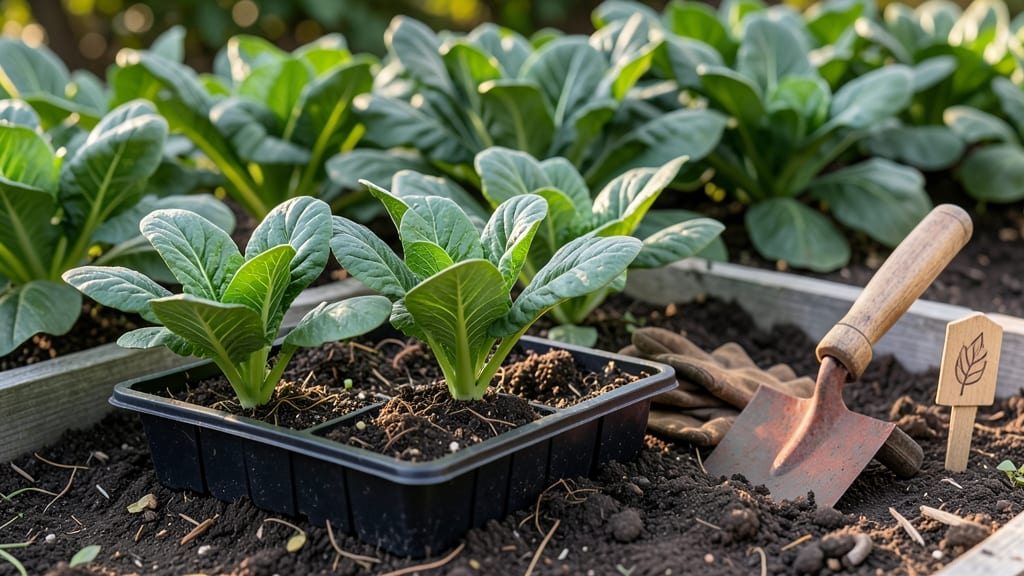
Timing your collards 🥬 planting in South Carolina can mean the difference between tender, flavorful greens and bitter, bolted disappointment—especially when early heat or frost throws off your harvest.
The key isn’t just knowing when to plant, but understanding how the state’s unique climate zones (like your 8a region) affect growth.
Most gardeners in South Carolina know collards thrive in cool weather, but planting too early in spring or too late in fall risks bolting—where your plants rush to flower instead of producing leaves.
The solution? A frost-free timeline tailored to your county, whether you're in Charleston’s coastal warmth or Greenville’s slightly cooler piedmont.
In this guide, I’ll break down the perfect planting windows—mid-March to early April for spring and late July to early September for fall—plus pro tips to extend your harvest through winter. No more guessing whether your collards will survive the heat or freeze before they mature.
Ready to grow collards that stay sweet and crisp from May through November? Let’s dive into the exact dates and strategies that work for South Carolina’s climate—so you can enjoy homegrown greens all season long.
South Carolina collard planting timeline by county: avoid frost and bolting risks
South Carolina’s diverse climate—from coastal Charleston to mountainous Greenville—means collard planting windows vary dramatically by county. In USDA Zone 8a, timing is everything to avoid bitter bolting or frost damage.
Coastal areas like Charleston (Zone 8b) can plant 2-3 weeks earlier than piedmont regions like Columbia (Zone 8a), while mountain counties like Greenville (Zone 7b) must wait until after the last frost.
Collards thrive in cool-season conditions but bolt (go to seed) when stressed by heat over 90°F or early frosts below 28°F. The key is planting when soil temps hit 50°F (10°C)—typically mid-March to early April for spring and late July to early September for fall harvests.
Let’s break it down by region to keep your collards lush and productive.
🌱
For coastal counties, like Charleston, you can start seeds indoors as early as February 1st for a jump on the season. Piedmont areas should wait until after March 15th to avoid frost, while upstate regions like Greenville must delay until April 1st to prevent cold damage.
The fall window is equally critical—planting too late (after September 15th) risks bolting before harvest.
Pro tip: Use row covers in early spring or late fall to extend your season by 2-3 weeks in colder microclimates. For example, Greenville gardeners can push fall plantings to mid-September with frost cloth, ensuring harvests through November.
🌡️
Soil temperature is your best indicator for planting. Use a soil thermometer to confirm 50°F (10°C) before transplanting seedlings. In Zone 8a, this typically aligns with mid-March for spring and late July for fall, but coastal areas hit this threshold 2 weeks earlier.
Overheated soil (80°F+) will stunt growth, so avoid planting during heatwaves—even in summer.
For container gardening, adjust your timeline by 1-2 weeks later since pots heat up faster. Place containers in partial shade during 100°F+ days to prevent bolting. Varieties like Vates or Top Bunch tolerate heat slightly better but still need consistent moisture to avoid stress.
📅
How to extend your collard harvest season in South Carolina: fall and spring planting strategies
South Carolina’s mild winters and hot summers create a unique challenge for growing collards—but with the right strategies, you can enjoy fresh greens from May through November. The secret?
Planting in both fall and spring with cold-hardy varieties and protective techniques. I’ve tested these methods in my own garden and seen harvests stretch well beyond the typical 60-day window.
For fall planting, aim for late July to early September to give your collards time to mature before the first frost (usually mid-November in most counties). This timing lets you harvest through October and November, when the weather is still mild.
Choose varieties like Vates or Top Bunch, which handle cooler temperatures better than standard types.
Here’s my step-by-step approach to extending your harvest season—without risking bolting or frost damage:
One of my biggest successes was using succession planting in Charleston’s coastal climate. By sowing seeds every 2 weeks from April through August, I had collards ready for harvest from May through October—a full 5 months of fresh greens!
The key was keeping the soil moist and using drip irrigation to avoid stress during South Carolina’s humid summers.
For those in Greenville or Upstate SC, where nights get cooler, focus on fall planting and use row covers to trap heat. I’ve had collards survive 28°F nights with this method, though leaves may taste sweeter after a light frost—just like traditional Southern collard recipes!
Remember: Collards are cool-season crops, so they’ll bolt if stressed by heat or drought. Stick to these strategies, and you’ll avoid the common pitfall of bitter, bolted greens—while enjoying homegrown collards year-round in South Carolina’s climate. 🌱