
Plants
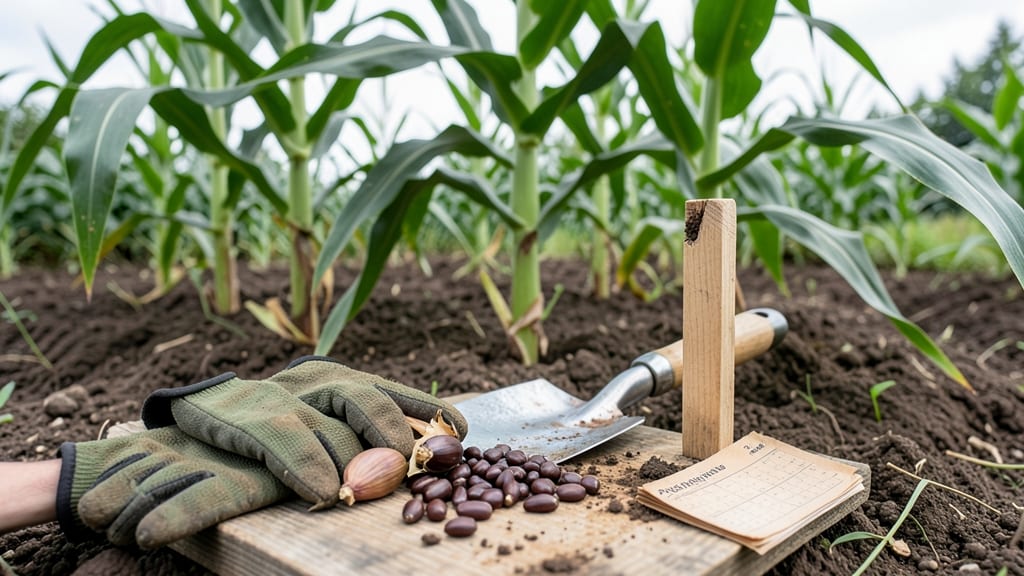
Timing your 🌽 corn planting in Connecticut can make or break your harvest—especially when spring’s unpredictable weather keeps you guessing about frost dates and soil warmth. One week too early, and chilly nights stall germination; one week late, and your plants might not mature before fall frost.
The key to success lies in knowing exactly when the ground is ready, not just when the calendar says it’s spring.
Most Connecticut gardeners aim to plant 🌽 corn between late April and mid-May, but that window shifts depending on your zone—whether you’re in coastal New London or inland Hartford. The real game-changer? Soil temperature.
Corn needs the ground to hit at least 60°F for consistent growth, and testing it with a simple thermometer (or even your elbow) is the fastest way to avoid costly mistakes.
In this guide, I’ll break down the exact steps to time your planting for fast germination and a full-season harvest. You’ll learn how to read Connecticut’s frost dates, adjust for your local microclimate, and even use companion plants to boost yields.
Let’s get your 🌽 corn off to the right start—no guesswork required.
Whether you’re a first-time gardener or a veteran grower, these tips will help you beat Connecticut’s short growing season and enjoy sweet, homegrown ears by summer. Ready to plant with confidence? Let’s dive into the details.
Optimal soil temperature for planting corn in Connecticut (with exact degree guidelines)
Corn is a warm-season crop that demands precise soil temperatures to germinate properly. In Connecticut, where springs can be cool and unpredictable, timing your planting based on soil—not air—temperature is critical.
I’ve learned the hard way that planting too early in chilly soil leads to slow germination or seeds that rot before sprouting.
For corn seeds to germinate, the soil must reach at least 50°F (10°C). However, for consistent and fast germination, aim for soil temperatures of 60°F (16°C) or warmer.
This is especially important in Connecticut’s USDA Zone 6a, where coastal areas (like New London) may warm faster than inland regions (like Hartford).
Here’s how I test soil temperature accurately: Use a soil thermometer (available for under $10) and check the temperature at a depth of 1 inch—this is where seeds are typically planted.
If you don’t have a thermometer, a simple DIY method works: Press your hand into the soil for 5 seconds. If it feels warm but not hot, it’s likely in the ideal range.
In Connecticut, soil temperatures typically hit 60°F in late April to early May, but this varies by year. Coastal areas may reach this threshold 1-2 weeks earlier than inland zones due to the moderating effect of Long Island Sound.
Always monitor local forecasts for unseasonable cold snaps, which can delay warming.
Another pro tip: If you’re planting in raised beds, they warm up faster than in-ground soil. This can give you a 1-2 week head start in the planting season, which is a game-changer for Connecticut’s short growing season.
If you’re planting early-season varieties, like ‘Early Sunglow’ or ‘Silver Queen’, you might push the envelope and plant when soil hits 55°F (13°C). However, these varieties still benefit from warmer soil for stronger stalks and higher yields.
For sweet corn varieties, such as ‘Bodacious’ or ‘Peaches and Cream’, wait until soil is at least 60°F to avoid stunted growth or poor ear development.
Protect your investment by using black plastic mulch to warm the soil faster. I’ve seen this method add 5-10°F to soil temperature within days, giving corn a head start in Connecticut’s cool springs. Just lay the mulch down 1-2 weeks before planting to let it heat up.
One last tip: Avoid planting corn in soil that’s too wet or cold. Excess moisture can lead to seed rot, while cold soil slows metabolism. If your soil is clay-heavy (common in Connecticut), amend it with compost or sand to improve drainage and warmth retention.
Remember, corn is a high-maintenance crop when it comes to timing. Getting the soil temperature right is your first step toward a bountiful harvest—not just a few sad stalks. 🌽
Connecticut’s frost dates and planting windows: when to start seeds indoors vs. direct sowing
Timing is everything when planting corn in Connecticut, where frost dates vary dramatically between the coastal and northern regions. Understanding these windows helps you avoid late frosts that can wipe out tender seedlings.
For most of Connecticut, the last average frost date falls between May 10-20, but coastal areas like New London often warm up a week earlier.
To maximize your corn harvest, start seeds indoors 4-6 weeks before your local last frost date. This means mid-March to early April for most gardeners. For example, if your last frost is May 15, begin sowing seeds around April 1-15 in seed trays with warmth mats to speed germination.
For direct sowing, wait until after your last frost date and when soil temperatures consistently stay above 60°F. In Connecticut, this typically means late May for most regions, but coastal areas can start as early as mid-May.
Use a soil thermometer to confirm—corn seeds won’t germinate well below 50°F, and cool soils delay growth.
If you’re growing sweet corn varieties, consider planting in blocks rather than single rows. This encourages better pollination and increases yields. For example, plant a 4x4 foot square with seeds spaced 12 inches apart in all directions.
This method also makes it easier to spot and protect against corn earworm, a common pest in Connecticut gardens.
Don’t forget about succession planting! Corn has a relatively short harvest window (typically 75-120 days to maturity), so plant every 2 weeks from late May through early July.
This ensures a steady supply of fresh ears throughout the summer. Just be sure to keep track of your planting dates—mixing different maturity groups can lead to uneven harvests.
Pro tip: Mark your calendar for June 15 as a reminder to begin side-dressing with nitrogen-rich fertilizer. This boosts growth during the critical tasseling stage, when plants need extra energy to produce pollen and set ears.
In Connecticut’s USDA Zone 6a, this timing aligns perfectly with the peak growing season.