
Plants
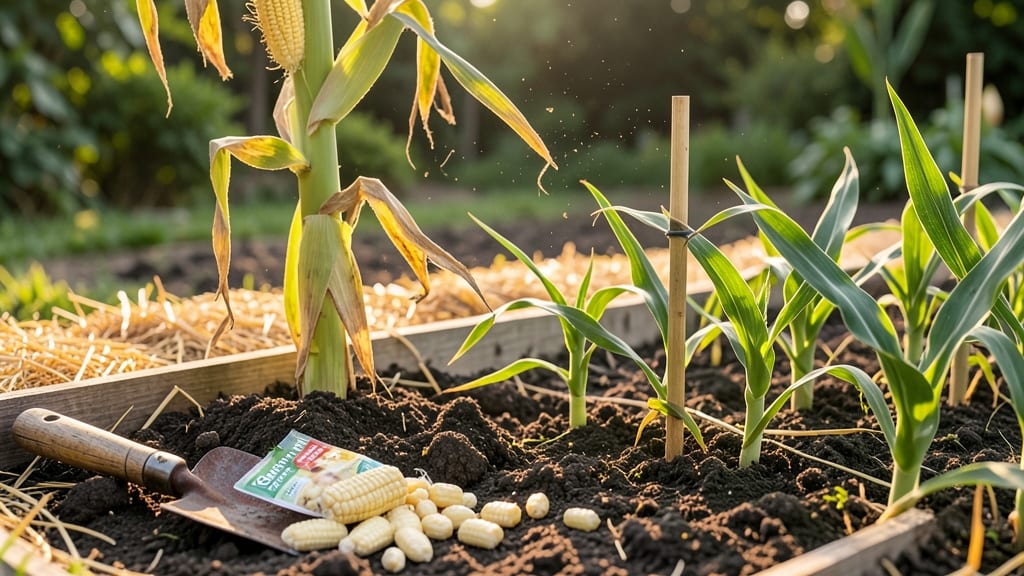
Timing your corn planting in Connecticut can make or break your harvest—get the dates wrong, and you might end up with stunted 🌽 or missed opportunities for sweet, juicy ears. With USDA zones 5b-6b and unpredictable spring frosts, knowing the exact window is everything.
Most gardeners in Connecticut aim to plant corn between mid-April and late May, but that’s just the starting point. The real secret lies in waiting for soil temperatures to hit 60°F at a 2-inch depth—this ensures strong germination and healthy growth.
Skipping this step can leave your plants vulnerable to late frosts, which are common in Hartford and Litchfield counties.
In this guide, I’ll break down the best planting dates by county, share the top corn varieties that thrive in Connecticut’s short season, and reveal 3 common mistakes that even experienced gardeners make.
Whether you’re a first-timer or a seasoned grower, these tips will help you maximize your yield from July to September.
Ready to turn your garden into a cornucopia? Let’s dive into the strategies that work—no guesswork required.
Connecticut county-specific corn planting dates based on frost-free zones
Connecticut’s diverse geography means planting dates can vary by up to 2 weeks between coastal Fairfield County and inland Litchfield County. To avoid late frost damage, I’ve compiled the most reliable frost-free deadlines based on historical data and USDA Zone 5b-6b guidelines.
These dates align with when soil temperatures consistently reach 60°F at 2 inches deep, the ideal condition for corn germination.
For Fairfield County (USDA Zone 6b), the last average frost date is April 20th, giving you a 3-week window to plant corn between late April and early May.
Coastal areas may experience slightly later frosts, so err on the side of caution by waiting until mid-May if you’re near the shoreline. This county’s longer growing season allows for two plantings if spaced 10-14 days apart for a staggered harvest.
In New Haven County (USDA Zone 6a), the frost-free date typically arrives around April 25th, with soil warming to planting-ready temperatures by May 1st. Urban areas like New Haven city may experience microclimates with 2-3°F cooler soil temperatures, so monitor conditions closely.
For rural sections, you can safely plant by late April if using black plastic mulch to warm the soil faster.
Hartford County (USDA Zone 5b) is the most frost-prone, with an average last frost date of May 5th. This means you should wait until mid-to-late May to plant corn, unless you’re using row covers to protect seedlings. The shorter growing season here favors early-maturing varieties like ‘Early Sunglow,’ which can go from seed to harvest in just 65 days.
Litchfield County (USDA Zone 5b) shares similar frost risks with Hartford but often experiences cooler soil temperatures due to higher elevations. Aim to plant corn between May 10th and May 20th, and consider using warm-season mulch to accelerate soil warming. This county’s shorter frost-free period (around 150 days) makes it critical to choose dwarf or semi-dwarf varieties to avoid lodging from strong winds.
Middlesex County (USDA Zone 6a) offers a middle-ground solution, with frost-free dates typically falling between April 22nd and May 2nd. This flexibility allows for two planting windows: one in early May for a late-summer harvest and another in early June for a fall harvest (if your season extends into September). The county’s mix of urban and agricultural land means soil temperatures can vary significantly, so always check with a soil thermometer before planting.
Pro tip: Use a soil thermometer to confirm readiness—corn seeds won’t germinate reliably below 50°F, and temperatures above 90°F can cause poor root development.
If your soil is still cold by the recommended dates, opt for black plastic mulch or a cold frame to create a warmer microclimate for your seeds.
Remember, Connecticut’s frost dates aren’t set in stone. Check the National Weather Service’s 14-day forecast and local gardeners’ groups for real-time updates. A sudden cold snap in early June can still threaten young plants,
How to adjust corn planting dates for Connecticut’s microclimates
Connecticut’s varied landscapes—from coastal Fairfield County to inland Litchfield County—create microclimates that can shift your ideal planting window by 2-3 weeks.
Urban gardens in New Haven often experience "heat islands," where soil warms faster than rural areas, while lowland plots in Hartford may stay cooler longer due to moisture retention.
Relying solely on calendar dates is risky. Instead, use a soil thermometer to confirm temperatures reach 60°F at 2 inches deep—this is your true planting cue. In coastal areas, this might happen by early April, while inland regions often wait until late April or early May.
🌱 Urban gardeners can plant 1-2 weeks earlier than rural counterparts because pavement and buildings accelerate soil warming. For example, a New Haven garden might hit 60°F by April 10, while a Litchfield farm could still be waiting until May 1.
⚠️ Warning: Late Frost Zones
Even after last frost, Hartford and Litchfield counties face 30% higher late frost risk than coastal areas. Use row covers or plant near tall structures (like fences) to create microclimates that trap heat and protect tender seedlings.
🌡️ Pro Tip: Monitor the National Weather Service’s "Frost Probability" maps for your specific town—this is more accurate than generic zone data.
Lowland areas with poor drainage should wait until soil temperatures hit 65°F to avoid root rot. Test your plot’s drainage by digging a hole, filling it with water, and timing how long it takes to drain—if it’s slower than 6 hours, delay planting or amend with compost.
For container growing, use black pots to absorb heat faster, allowing you to plant 10-14 days earlier than in-ground plots. Place containers on south-facing patios or use heat mats to extend your growing season.
If you’re planting multiple varieties with different maturity dates, stagger your sowing by 5-7 days to ensure a continuous harvest. For example, plant 'Silver Queen' (70 days) on April 25 and 'Peaches and Cream' (85 days) on May 5 in Hartford County.
🌿 Final Adjustment: Always plant 1-2 weeks after your local master gardener association recommends—this accounts for Connecticut’s notorious spring whiplash between warm spells and sudden cold snaps.