
Plants
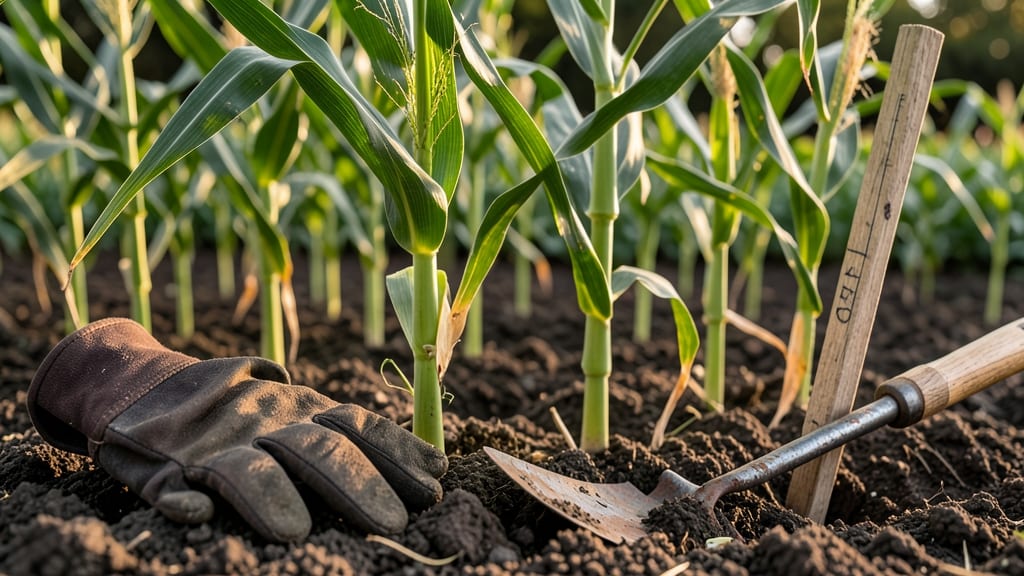
Timing your corn planting in North Alabama isn’t just about luck—it’s about understanding the exact window between frost risks and soil readiness.
The difference between a bountiful harvest and a disappointing one often comes down to planting 2-3 weeks before your last frost date, when soil temperatures hit that sweet spot of 50°F+.
If you’ve ever stared at your calendar in April wondering, "Is it too early?" or "Did I wait too long?"—this guide cuts through the guesswork.
North Alabama’s USDA Zone 7a climate throws a curveball with its unpredictable spring weather, but the key lies in soil temperature, not just calendar dates.
While most gardeners aim for mid-April to early May, your microclimate—whether you’re in the valleys near Huntsville or the higher elevations toward Chattanooga—can shift that window by 1-2 weeks.
We’ll break down the exact frost-free math so you can plant with confidence, whether you’re growing sweet corn for summer meals or field corn for livestock.
Here’s the game-changer: most corn varieties need 75-120 days to mature, and North Alabama’s 190-day growing season leaves little room for error. Plant too early, and frost will nip your seedlings. Too late, and your ears won’t have time to plump up before summer’s heat sets in.
I’ll walk you through variety-specific timing, soil prep tricks, and even how to stretch your harvest with succession planting—so you’re not left with a single sad row of corn by July.
Ready to ditch the "maybe next year" approach? By the end of this, you’ll know not just when to plant your 🌽, but why those exact dates matter for your specific corner of North Alabama. Let’s get growing.
North Alabama last frost dates & ideal corn planting weeks before frost
North Alabama’s USDA Zones 7a/7b experience last frost dates between March 15 and April 15, but your exact timing depends on elevation and microclimates. For sweet corn, aim to plant 2-3 weeks after the last frost when soil temps hit 50°F+.
In Huntsville’s cooler mountain areas, wait until mid-April, while Decatur’s flatter regions can start early April.
Field corn and popcorn varieties need 1-2 extra weeks later due to their longer growing seasons. Always verify your local frost date using the Alabama Extension’s frost calendar—a late freeze can devastate young corn plants still below ground.
Here’s the exact planting window breakdown for North Alabama’s most common corn types:
| Corn Type | Ideal Planting Window | Soil Temp Requirement | Days to Maturity |
|---|---|---|---|
| Sweet Corn (e.g., Silver Queen) | Mid-April to early May | 50°F+ (10°C+) | 70-90 days |
| Field Corn (e.g., Pioneer 39F35) | Late April to mid-May | 55°F+ (13°C+) | 90-120 days |
| Popcorn (e.g., Strawberry Popcorn) | Late April to early May | 50°F+ (10°C+) | 85-100 days |
Use a soil thermometer to confirm temps—corn seeds won’t sprout below 50°F. Planting too early risks rot or stunted growth, while waiting too long cuts your harvest window short. For succession planting, stagger seeds every 2 weeks until June 1 to extend your harvest through September.
North Alabama’s April showers can delay planting, so prepare by testing your soil’s drainage. Corn hates soggy roots—amend heavy clay soil with compost or sand to improve aeration. If rains persist, opt for raised beds to prevent waterlogging.
Pro tip: Plant corn with beans or squash to improve soil nitrogen and deter pests. The three-sisters method works beautifully in North Alabama’s climate, boosting yields by up to 30%.
For mountain regions like Chattanooga Valley, add 1 extra week to your planting schedule due to cooler nights. Valley areas like Cullman can plant 1 week earlier thanks to warmer microclimates.
Track your local frost dates using the Alabama Cooperative Extension Service’s frost maps—these adjust yearly based on La Niña/El Niño patterns. A 2023 study showed Huntsville’s last frost date shifted 3 days later on average due to climate trends.
Remember: Corn needs warmth, not just frost-free soil. Wait until nighttime temps stay above 55°F consistently. Use black plastic mulch to warm soil faster if you’re eager to plant early.
🌽
5 Critical factors that determine your corn planting success in North Alabama
North Alabama’s variable spring weather means frost dates alone won’t guarantee a successful corn harvest. Five key factors—soil temperature, rainfall patterns, elevation, seed depth, and microclimates—can shift your planting window by weeks.
Ignoring these risks stunted growth or even total crop failure, especially for sweet corn varieties that need precise timing.
First, soil temperature is non-negotiable: corn seeds won’t germinate below 50°F, but roots struggle to establish below 60°F. In Huntsville’s higher elevations, soils warm 1–2 weeks slower than Decatur’s valleys.
Use a soil thermometer to confirm readiness—planting too early in cold soil leads to rot and poor germination.
- ⏰ Soil Temperature: Wait until 60°F+ (use a thermometer). Cold soil = slow germination.
- 🌧️ Rainfall Timing: April showers help, but drought years need drip irrigation.
- 🏔️ Elevation Effects: Mountain areas (e.g., Huntsville) plant 2 weeks later than valleys.
- 🌱 Seed Depth: Plant 1–1.5 inches deep—too shallow = dry seeds; too deep = weak sprouts.
- 📍 Microclimates: South-facing slopes warm faster; north-facing areas stay cooler longer.
Next, rainfall patterns can make or break your corn. Alabama’s April showers are ideal, but drought years (like 2020) require supplemental watering to prevent silk drying—a death sentence for pollination.
Track local forecasts: if less than 1 inch of rain/week is predicted, plan for drip lines or soaker hoses installed before planting.
Elevation plays a sneaky role. In Huntsville (USDA Zone 7a), last frosts often hit April 15–May 1, while Decatur (Zone 7b) averages March 25–April 10. Use this rule: add 7–10 days to your planting date for every 500 feet of elevation gain.
For example, if Decatur’s ideal window is April 1–15, Huntville’s shifts to April 15–May 1.
Don’t overlook seed depth: plant corn 1–1.5 inches deep, with the larger end down. Shallow planting risks desiccation, while burying seeds too deep forces weak, leggy sprouts.
Use a seed spacing guide—rows should be 30–36 inches apart for airflow and 4–6 inches between plants to reduce competition.
Finally, microclimates create hidden planting windows. A south-facing slope in your yard might be 3–5°F warmer than the north side, letting you plant 10–14 days earlier. Observe your garden: if dandelions bloom early in a spot, it’s likely warmer and drier—ideal for early corn.
Conversely, low-lying areas hold frost longer and stay wetter, delaying planting by 1–2 weeks.