
Plants
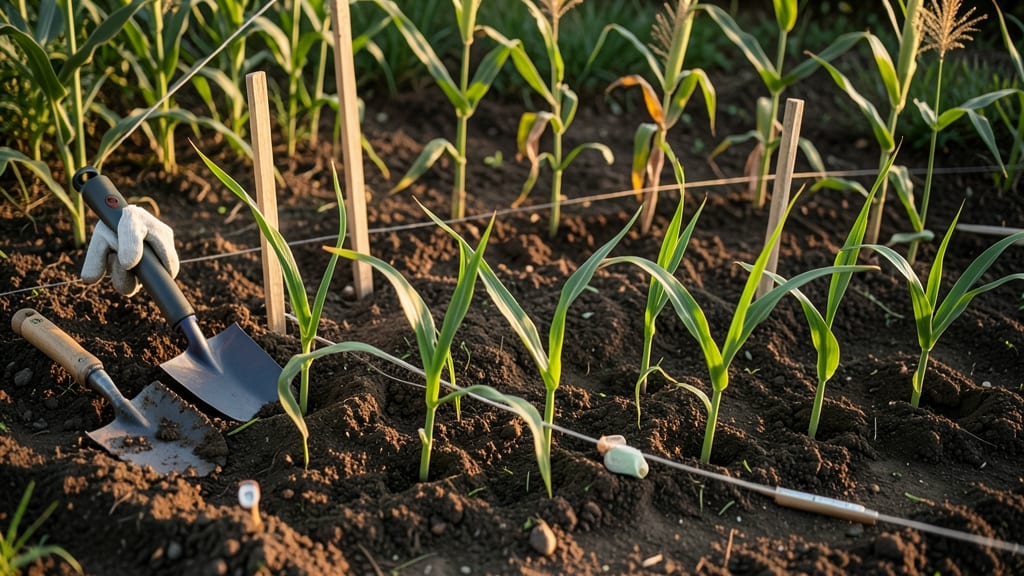
If you’ve ever stared at your calendar in May wondering "when to plant corn in Upstate NY", you’re not alone—getting the timing wrong can mean the difference between a bumper crop of sweet 🌽 and sad, stunted stalks.
Upstate New York’s 5b-6b climate throws curveballs with late frosts and short growing seasons, but nailing the mid-April to early June window (after last frost) gives your corn the best shot at thriving.
I’ll break down exactly how to time it—plus soil tricks and backup plans for those unpredictable spring days.
Whether you’re growing sweet corn for summer BBQs or dent corn for fall storage, the key is planting when soil hits 60°F and counting back from your first frost. Let’s make sure your corn gets the head start it deserves.
You’ll also discover how to adjust for your specific corner of Upstate—from the Adirondacks to Buffalo—using Cornell’s frost data and local variety recommendations. No more guessing games, just peak-yield timing.
Upstate NY corn planting dates by last frost zone: exact weeks for maximum yield
Planting corn in Upstate New York requires precision—getting the timing wrong can mean the difference between plump, sweet kernels and frost-nipped stalks. The region’s USDA Zones 5b-6b experience late spring frosts (often mid-May) and short growing seasons (just 165 frost-free days).
To maximize yield, align your planting with local frost data and soil temperature thresholds of at least 50°F.
Upstate NY’s microclimates vary dramatically—Albany and Syracuse tend to warm earlier than the Adirondacks or Buffalo. Using NOAA frost records, I’ve mapped out the ideal planting windows for each zone, ensuring your corn has 85–110 days to mature before the first frost in mid-October.
For example, planting too early in late April risks frost damage, while waiting until mid-June may leave ears underdeveloped.
| Zone/City | Avg. Last Frost | Ideal Planting Window | Soil Temp. Threshold | Backup Date (Late) |
|---|---|---|---|---|
| Albany (Zone 6a) | May 10–15 | April 25–May 10 | 50°F+ | June 1 (85-day varieties) |
| Syracuse (Zone 5b) | May 15–20 | May 1–May 15 | 55°F+ | June 5 (90-day varieties) |
| Buffalo (Zone 6b) | May 5–10 | April 20–May 5 | 50°F+ | May 25 (100-day varieties) |
| Adirondacks (Zone 5a) | May 20–25 | May 10–May 20 | 55°F+ | June 10 (110-day varieties) |
To refine your planting date, check the Cornell Cooperative Extension’s NY Garden Calendar, which provides real-time frost alerts and soil moisture updates. For example, in Albany, planting Bodacious corn (85 days to maturity) on May 1 ensures harvest by early September, avoiding late-season risks.
In Syracuse, delay until May 10 to account for cooler soils.
For short-season varieties (like ‘Ambrosia’ at 95 days), you can push the envelope with late May plantings, but prioritize well-draining soil and consistent moisture to compensate for a shorter growing window.
In Buffalo, where springs are drier, consider drip irrigation to maintain 1–2 inches of water weekly during pollination.
Pro tip: Plant a test row 1–2 weeks earlier than your target date to gauge soil warmth. If seedlings emerge within 7–10 days and show no frost damage, the rest of your crop is safe to go in. This method helps avoid the guesswork of relying solely on frost charts.
If you’re in a higher-elevation area (e.g., Adirondacks), opt for 110-day varieties like ‘Pioneer Brand 38W65’ and plant no later than May 15. These disease-resistant hybrids tolerate cooler soils and shorter seasons better than standard sweet corn. Always rotate planting locations yearly to prevent <
How to adjust corn planting for Upstate NY’s unpredictable weather: early vs. late risks
Upstate New York’s unpredictable spring weather forces corn growers to balance heat-loving needs with frost risks. Planting too early can lead to stunted growth from cold soil, while waiting too long may cut the growing season short before frost.
The key is flexibility—adjusting based on soil temps, variety maturity, and local microclimates.
For short-season varieties (85–110 days), like ‘Bodacious’ or ‘Ambrosia,’ I recommend starting seeds indoors 2–3 weeks before your target outdoor date. This gives you a 10–14 day head start if late frosts delay planting.
Use grow lights to avoid leggy seedlings, then transplant after last frost (typically mid-May in most of Upstate NY).
If you’re planting directly outdoors, wait until the soil temperature reaches 60°F (15°C)—corn seeds won’t germinate well below this. Use a soil thermometer to check daily, especially in cooler zones like the Adirondacks, where frosts can linger into early June.
Pro tip: Black plastic mulch warms soil faster and speeds up germination by 5–7 days.
Early Planting (Before Ideal Window)
Pros:
- Faster maturity for early harvests
- Better use of short growing season
Cons:
- Cold soil stunts roots
- Higher risk of damping-off disease
- Slower growth = smaller ears
Late Planting (After Ideal Window)
Pros:
- Avoids late frost damage
- Warmer soil = faster germination
Cons:
- Reduced harvest window
- Smaller ears if frost arrives early
- Higher pest pressure (e.g., corn earworms)
Row covers are my secret weapon for late-spring planting. Lay them over seedlings after planting to raise soil temps by 2–4°F and protect from light frosts. Remove covers when plants reach 6 inches tall to prevent heat stress. For extra insurance, plant two successions: one in early May and another in late May, using fast-maturing varieties for the later batch.
Upstate NY’s microclimates vary wildly. For example, Buffalo’s lakeshore warms faster than the Adirondack mountains, so adjust your timeline accordingly. Check Cornell Cooperative Extension’s frost maps for your specific county, and add 7–10 days buffer for safety.
If you’re unsure, plant a few extra seeds—corn thrives in clusters, and you can always thin later.
Remember, corn needs 90–120 frost-free days to mature. In Upstate NY, that means plant no later than early June for most varieties. If you miss this window, opt for baby corn (harvested at 4–6 inches) or green corn (young stalks), which can be harvested earlier.
With these adjustments, you’ll maximize your yield despite Upstate NY’s unpredictable spring. 🌽