Plants
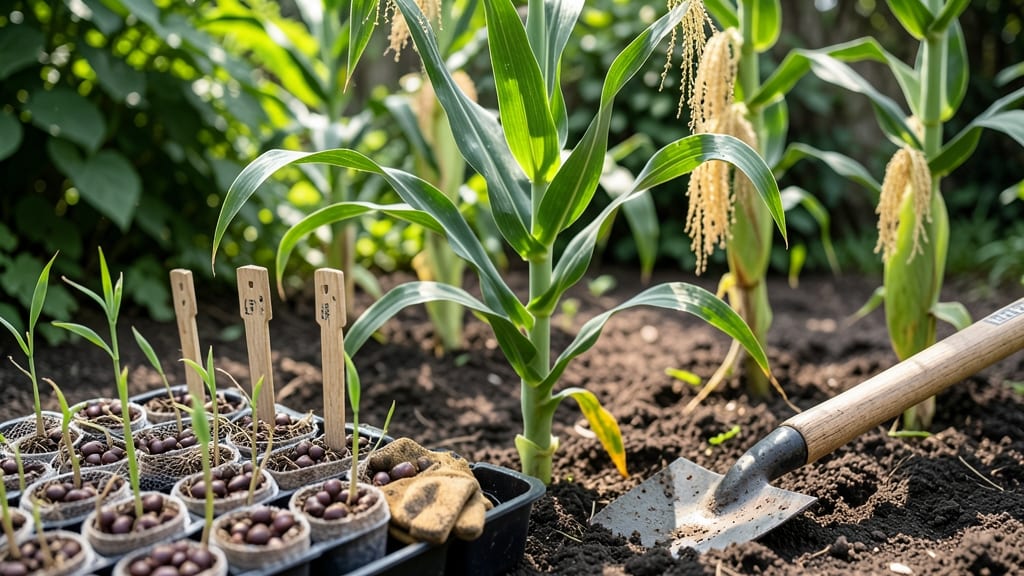
Timing your corn planting in Virginia can mean the difference between a bumper crop of sweet 🌽 and a disappointing harvest. The right window—after last frost but before summer heat sets in—is everything for healthy stalks and plump ears.
With Virginia’s diverse zones (6a-8a), knowing exactly when to drop those seeds matters more than you might think. Whether you’re in the Piedmont’s warmer microclimate or the cooler mountains, getting it wrong can leave your plants struggling or vulnerable to pests.
I’ll break down the perfect planting schedule by zone so you can avoid common mistakes.
From soil prep to adjusting for organic methods, we’ll cover all the key steps to ensure your corn thrives. You’ll learn how to spot early signs of trouble and how companion plants can boost your yield.
Let’s get those seeds in the ground at the ideal time for a harvest that’ll make your neighbors jealous.
Ready to grow corn like a pro? The exact months and techniques you need are just ahead—no guesswork required.
Virginia corn planting calendar by USDA hardiness zones (6a-7b)
Virginia’s USDA zones 6a-7b create a diverse planting landscape, where coastal areas enjoy longer growing seasons and mountain regions face earlier frosts.
Getting your corn seeds in the ground at the right time—typically after the last frost but before soil temperatures drop below 55°F—makes all the difference between bountiful ears and stunted plants.
For most of Virginia, this means aiming for mid-April to late May, but your exact window depends on whether you’re in Zone 6a (northern mountains), Zone 7a (Piedmont), or Zone 7b (coastal plain).
Let’s break it down by zone to help you time your planting perfectly for maximum yield.
| Zone & Region | Last Frost Date | Ideal Planting Window | Soil Temp Requirement | Harvest Window |
|---|---|---|---|---|
| Zone 6a (Northern VA: Shenandoah, Blue Ridge) | Late April - Early May | May 1 - May 15 | 60°F+ (15°C+) | Late July - Early Sept |
| Zone 7a (Central VA: Piedmont, Richmond) | Mid-April | April 15 - May 1 | 55°F+ (13°C+) | June - Mid-Sept |
| Zone 7b (Southern VA: Tidewater, Hampton Roads) | Early April | March 30 - April 15 | 50°F+ (10°C+) | Late June - Oct |
In Zone 6a, where frosts linger until early May, I recommend waiting until May 1st to plant—this gives your corn enough time to mature before the first frost in mid-October.
For Zone 7a, you can start as early as mid-April, but always check your soil temperature with a thermometer to avoid cold soil shock.
If you’re in Zone 7b, you’ve got the advantage of an earlier start—late March is safe for sowing seeds, especially if you’re growing early-maturing varieties like ‘Silver Queen’ or ‘Peaches and Cream’.
These varieties can be ready to harvest in as few as 65 days, giving you a head start on the season.
For gardeners in coastal Virginia, where humidity is higher, I suggest planting slightly later (around April 15th) to avoid fungal diseases like corn smut, which thrives in damp conditions. Use drip irrigation to keep foliage dry and improve airflow between plants.
One trick I’ve used in my own garden is to plant in succession—sow a few rows every 10-14 days—to stretch your harvest from July through September.
This works especially well in Zone 7a and 7b, where the growing season is longer. Just be sure to space your plantings so you’re not overcrowding the garden.
If you’re growing popcorn or field corn, which take longer to mature, aim for the earliest planting window in your zone. These varieties often need 90-120 days to reach maturity, so you’ll want to avoid late-season plantings that risk frost damage before harvest.
Finally, always monitor your local weather forecasts in the weeks leading up to planting. A late frost can wipe out young seedlings, so having a row cover on hand is a lifesaver.
In my experience, late April is the safest bet for most of Virginia, but flexibility is key when Mother Nature throws curveballs.
🌽
How to adjust corn planting for Virginia’s microclimates and soil types
Virginia’s diverse landscapes—from the humid Coastal Plain to the cooler Appalachian Mountains—mean your corn’s planting window and soil needs vary dramatically. In the Piedmont region, where temperatures rise quickly, you’ll want to plant earlier (mid-April) to beat summer heat stress.
Meanwhile, mountain gardeners in USDA Zone 6a should wait until late April or early May when frost risk drops below 10%.
Soil type plays an equally critical role. Virginia’s clay-heavy soils (common in the Piedmont) drain poorly, while sandy soils in coastal areas dry out fast. Both extremes require amendments: compost for clay and organic matter (like peat moss) for sand.
Aim for a soil pH of 6.0–6.8—corn thrives in slightly acidic conditions, but most Virginia soils lean neutral or alkaline.
Here’s how to tailor your approach based on your microclimate and soil:
Piedmont Region (Zones 7a-7b)
- Longer growing season
- Warmer soil warms up faster
- Ideal for early varieties
- Clay soil retains too much moisture
- Summer heat can stress plants
- Higher pest pressure (corn earworm)
- Plant early-maturing varieties (60-70 days)
- Raise beds to improve drainage
- Use mulch to retain moisture
Coastal Plain (Zones 7b-8a)
- Warmer winters extend season
- Sandy soil drains well
- Lower frost risk
- Humidity increases fungal diseases
- Nutrients leach from sandy soil
- Salt spray near coast can damage leaves
- Choose disease-resistant varieties
- Add organic compost annually
- Space plants wider for airflow
Mountain Regions (Zones 6a-7a)
- Cooler temps reduce pests
- Longer daylight hours in summer
- Rich, loamy soil in valleys
- Shorter growing season
- Cold soils delay germination
- Late frosts possible until May
- Use row covers for early planting
- Select fast-growing varieties (50-60 days)
- Plant near south-facing walls for warmth
For all regions, soil testing is your first step. Virginia Cooperative Extension offers free or low-cost tests—knowing your soil’s nutrient levels lets you adjust fertilizers precisely. In organic gardens, focus on compost teas and cover crops like clover to build fertility naturally.
And remember: drainage is non-negotiable. Corn roots need oxygen, so avoid planting in low spots where water pools.
Pro tip: If your soil feels too cold (below 60°F), wait another week. Use a soil thermometer—it’s the only way to know for sure. Patience now means bigger ears later. 🌽