
Plants
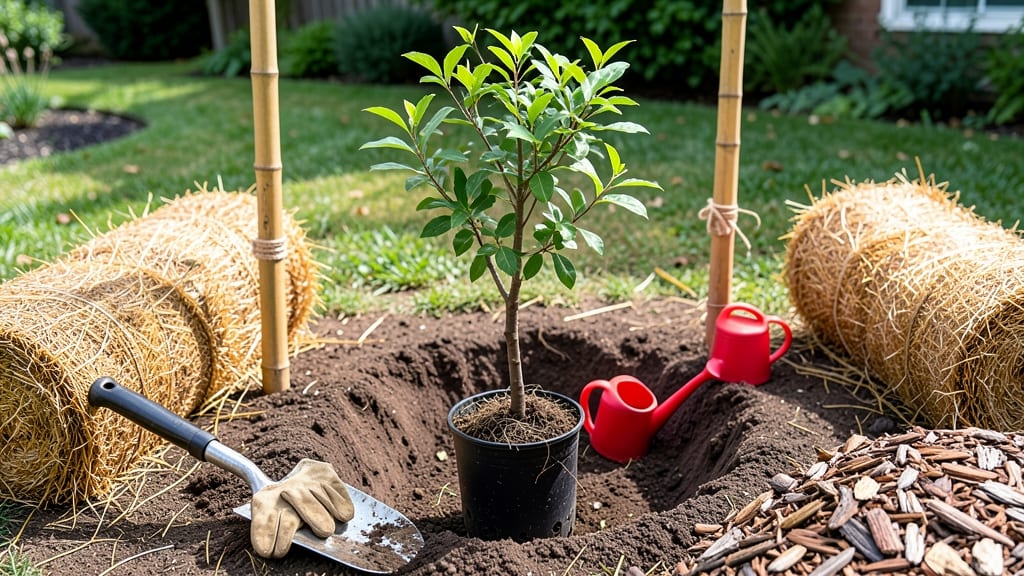
If you've ever planted a 🌸 crepe myrtle in Florida only to watch it struggle under the relentless sun, you're not alone. The key to thriving blooms and strong growth lies in understanding Florida's unique climate zones and their perfect planting windows.
Unlike many plants, crepe myrtles actually thrive in Florida's heat, but timing matters more than you might think. Planting at the wrong time can lead to heat stress or poor root establishment, while getting it right means vibrant flowers and a tree that grows with minimal fuss.
In this guide, I'll break down the exact months to plant your crepe myrtle based on whether you're in North Florida (Zone 8a), Central Florida, or the South (Zones 10-11). You'll discover how to avoid common mistakes and even explore container planting options for urban spaces.
Ready to give your crepe myrtle the best possible start? Let's dive into Florida's ideal planting seasons and the simple steps to ensure your tree takes root beautifully.
Best planting months for crepe myrtle in Florida’s climate zones
Florida’s climate zones—ranging from USDA Zone 8a in the north to Zone 11 in the south—create unique planting windows for crepe myrtle. Unlike many plants, crepe myrtle thrives in heat and humidity, but timing still matters to avoid heat stress or poor root establishment.
In cooler northern zones, aim for early spring planting, while southern zones allow year-round planting with minimal risk.
For Zone 8a (North Florida), like Jacksonville or Gainesville, plant between mid-February and April after the last frost date (typically mid-January). This gives roots time to establish before summer’s intense heat.
In Zone 9a-10a (Central/South Florida), such as Orlando or Tampa, you can plant year-round, but fall (September-November) and early spring (January-March) are ideal to avoid peak summer stress.
In Zone 11 (South Florida), like Miami or Key West, crepe myrtle grows so well that any month works, but avoid extreme heat waves (June-August) if possible. Even in these zones, planting in early fall or late winter ensures smoother transitions into Florida’s humid growing seasons.
| Florida Zone | Best Planting Window | Soil Temp Threshold | Key Varieties |
|---|---|---|---|
| Zone 8a (North) | Mid-February to April | 60°F+ (after last frost) | 'Natchez', 'Muskogee' |
| Zone 9a-10a (Central/South) | Year-round (best: Sep-Nov or Jan-Mar) | 65°F+ (avoid peak summer) | 'Arapaho', 'Tonto' |
| Zone 11 (South) | Any month (best: early fall/late winter) | 70°F+ (minimal risk) | 'Sioux', 'Catawba' |
Crepe myrtle’s heat tolerance makes it unique, but soil temperature still plays a role. For Zone 8a, wait until soil warms to 60°F+ to prevent root rot. In southern zones, 70°F+ is ideal, but even 80°F+ won’t harm established plants.
Always check for well-draining soil—crepe myrtle hates soggy roots, which are common in Florida’s clay-heavy soils.
If you’re planting bare-root crepe myrtle, do it in early spring (before buds swell) or late fall (after leaves drop). Container-grown trees, however, can be planted year-round in Florida, as their roots are less sensitive to temperature shifts. Just water deeply after planting to reduce transplant shock.
For fastest establishment, choose 1-2 year old trees from nurseries. These have stronger root systems and adapt quicker to Florida’s humid climate. Avoid planting during prolonged rain or drought, as both stress young roots. Instead, pick a mild, overcast day for minimal shock.
Pro tip: In Zone 10-11, plant dwarf varieties like 'Dwarf Yaku Princess' for smaller spaces. These thrive in urban landscapes and require less pruning. Always mulch around the base with 3-4 inches of organic mulch (like pine bark) to retain moisture and regulate soil temperature.
One common mistake is assuming summer planting is fine in southern Florida. While possible, heat stress can slow root growth. If you must plant in summer, provide extra shade for the first 2-3 weeks and water daily until established.
This gives young trees a fighting chance against Florida’s intense afternoon sun.
Remember, crepe myrtle’s bloom time (summer-fall) is directly tied to healthy roots. Planting at the right time ensures vibrant flowers and minimal maintenance for years to come. With Florida’s long growing season, you’ve got plenty of opportunities—just pick the window that matches your zone!
Best planting months for crepe myrtle in Florida’s climate zones
Florida’s climate zones—from Zone 8a in the Panhandle to Zones 10-11 in the Keys—create wildly different conditions for planting 🌸 crepe myrtles.
Unlike northern states, Florida’s mild winters and long growing season mean you can plant year-round, but the best windows depend on your zone and the variety you choose.
In North Florida (Zone 8a), where light frosts still occur, aim for planting in late winter to early spring (February-March). This gives young roots time to establish before summer’s intense heat.
For Central Florida (Zone 9a), you’ve got more flexibility—plant anytime except the hottest months (June-August) when heat stress risks shock new roots.
| Florida Zone | Best Planting Window | Soil Temp Threshold | Key Variety Tip |
|---|---|---|---|
| Zone 8a (North) | February–March (spring) or October–November (fall) | 50°F+ (avoid frost) | 'Natchez' (white blooms) handles cooler temps |
| Zone 9a (Central) | Year-round (avoid June–August) | 60°F+ (root growth stalls below 55°F) | 'Muskogee' (lavender) thrives in heat |
| Zones 10-11 (South) | Any month (best in fall/winter) | 65°F+ (optimal for root growth) | 'Arapaho' (red) loves humidity |
For South Florida (Zones 10-11), where frost is nonexistent, you can plant any month, but fall (September-November) is ideal. Cooler temps and higher humidity help roots establish without the stress of peak summer heat.
Even in these zones, avoid planting in July-August—the extreme heat can cause transplant shock.
Pro tip: If you’re planting in containers (great for urban spaces!), use well-draining soil and a pot at least 18 inches wide. Container-grown crepe myrtles need daily watering in summer, so place them in partial shade during the hottest afternoons.
Remember, crepe myrtles are drought-tolerant once established, but young trees need consistent moisture for the first 6-12 months. Mulch heavily around the base to retain moisture and regulate soil temperature—this is especially critical in Florida’s intense summer sun.
Whether you’re in Panama City or Miami, the key is matching your planting time to your zone’s temperature extremes. Skip the guesswork: plant when soil temps are consistently above 60°F, and your crepe myrtle will reward you with vibrant blooms for years.