Plants
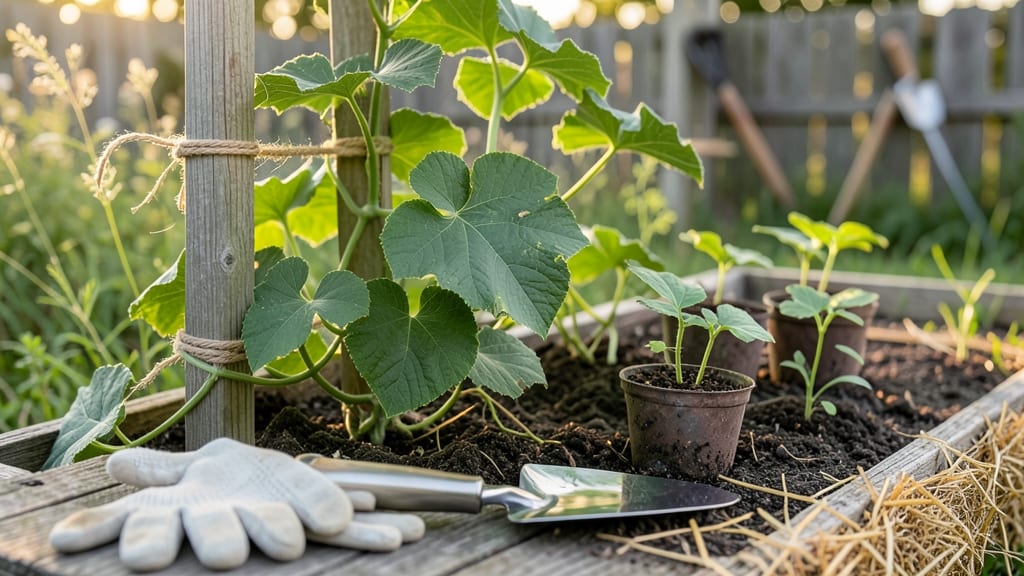
Timing when to plant cucumber seeds in NC can mean the difference between a garden full of crisp, homegrown veggies and a sad, wilted disappointment.
The key is knowing exactly when to drop those seeds into the soil—too early and frost will zap your seedlings, but too late and you’ll miss the peak growing season.
For most of North Carolina—where zones 7a-8b dominate—the perfect window opens around April 15 and stretches until June 15, right after the last frost date.
But here’s the catch: coastal areas like Wilmington might get a head start, while mountain regions like Asheville could need to wait a little longer. Getting this right ensures your plants thrive from June through October, giving you a steady harvest.
I’ll break down the exact planting dates by county, so you can avoid common mistakes like planting too close to frost or ignoring soil temperature. Whether you’re a first-time gardener or a seasoned pro, these insights will help you plant with confidence and maximize your cucumber yield this year.
Ready to dig in? Let’s make sure your cucumbers get the best possible start—no guesswork, just results. Your future salads (and pickles) will thank you!
North Carolina’s frost-free deadlines for planting cucumber seeds by county
North Carolina’s diverse climate—from the coastal plains to the mountain regions—means your last frost date can vary by 4-6 weeks. Cucumbers (Cucumis sativus) thrive in warm soil (60°F+) and won’t tolerate frost, so timing is critical.
Here’s your county-by-county planting guide to avoid frost damage while maximizing your harvest.
Use the USDA Zone 7a-8b map below as a starting point, but always check your local Cooperative Extension Service for real-time updates. Coastal areas like Wilmington (Zone 8a) can plant 2-3 weeks earlier than Asheville (Zone 7a), where late frosts linger until May 15.
Plan accordingly to align with your 180-220 frost-free days.
For direct sowing (planting seeds outdoors), wait until soil temperatures consistently reach 60°F. Test with a soil thermometer—cucumbers won’t germinate below 55°F. In warmer Piedmont regions, you can start as early as April 1, while mountain counties may need to wait until May 15.
Pro tip: Use black plastic mulch to warm soil 5-10°F faster, letting you plant 1-2 weeks earlier in cooler areas. This trick is a game-changer for short-season varieties like 'Straight Eight', which need 50-55 days to harvest.
🌱 North Carolina Cucumber Planting Deadlines by Region
| Region | Counties | Avg. Last Frost | Safe Planting Window | Notes |
|---|---|---|---|---|
| Coastal Plains | Bertie, Craven, Dare, Onslow | March 15 | April 1 - April 15 | Humid; watch for powdery mildew. |
| Piedmont | Chatham, Durham, Guilford, Mecklenburg | March 25 - April 5 | April 15 - May 1 | Ideal for trellised varieties. |
| Mountains | Haywood, Henderson, Mitchell, Watauga | May 1 - May 15 | May 15 - June 1 | Shorter season; choose fast-maturing varieties. |
| Sandhills | Richmond, Scotland, Moore | March 20 | April 10 - April 25 | Well-drained soil; mulch heavily. |
📌 Pro Tip: For extended harvests, plant succession crops every 2 weeks until June 15.
If you’re growing heirloom varieties like 'Lemon Cucumber' or 'Armenian', prioritize soil warmth over early planting. These varieties need 70°F+ soil to thrive, so wait until late April or May, even in Zone 8a.
For container gardening, use black pots to absorb heat and plant 2 weeks later than in-ground beds.
Don’t forget about microclimates! A south-facing slope in Asheville might warm up 10 days earlier than a valley garden. Observe your yard’s sun exposure and wind patterns—cucumbers need 6-8 hours of sun and protection from strong winds, which can stunt growth.
For late-summer harvests, consider fall planting in coastal areas. Seedlings transplanted by July 15 can produce until first frost (typically November 15 in Wilmington). Use row covers to extend the season by
How to adjust planting dates for early vs. late varieties in NC
North Carolina’s diverse climate zones mean your cucumber planting strategy should match your last frost date and variety type. Early varieties like 'Straight Eight' can handle cooler soils, while heat-lovers like 'Marketmore 76' need warmer conditions to thrive.
I’ll break down when to start seeds indoors, how to use row covers, and which varieties work best for NC’s short vs. long growing seasons.
For cooler inland counties (like Asheville in the Mountains), start early varieties indoors 3-4 weeks before your last frost date—typically mid-March. Transplant seedlings outdoors 2 weeks after the last frost, when soil temps hit 60°F+.
In warmer coastal areas (like Wilmington), you can direct-sow seeds as early as mid-April without worrying about frost.
Here’s my proven strategy for extending your cucumber harvest: Use black plastic mulch to warm soil faster, and apply row covers if nighttime temps dip below 50°F. This lets you plant 2-3 weeks earlier in spring or 2-3 weeks later in fall without risking frost damage.
🌱 3 Key Adjustments for NC Gardeners
- 📅 Start early varieties indoors (March 1–15) for Mountain regions; direct-sow in Piedmont/Coastal after April 15.
- ☀️ Use black plastic mulch to raise soil temps 10–15°F faster, letting you plant 2 weeks early.
- 🌿 Choose heat-tolerant varieties like 'Southern Sweet 100' for Piedmont summers or 'Diva' for cooler Mountain areas.
If you’re aiming for a fall harvest, focus on fast-maturing varieties (50–55 days to harvest) and plant seeds late July to early August. Succession planting every 2 weeks ensures a steady supply until the first frost.
For example, 'Bush Champion' (compact and cold-tolerant) works well in shorter seasons, while 'Suyo Long' (a Japanese heirloom) thrives in long, hot summers.
Pro tip: Monitor soil temperature with a soil thermometer—cucumbers won’t germinate below 60°F. In cooler Piedmont counties, wait until late April or early May to direct-sow, even if frost risk is low. Patience here means healthier vines and bigger yields later.
Don’t overlook microclimates in your area. A south-facing slope warms up faster than a north-facing valley, so adjust your planting dates accordingly. For instance, if your garden sits in a sunny microclimate, you might plant 1 week earlier than the county average.