
Plants
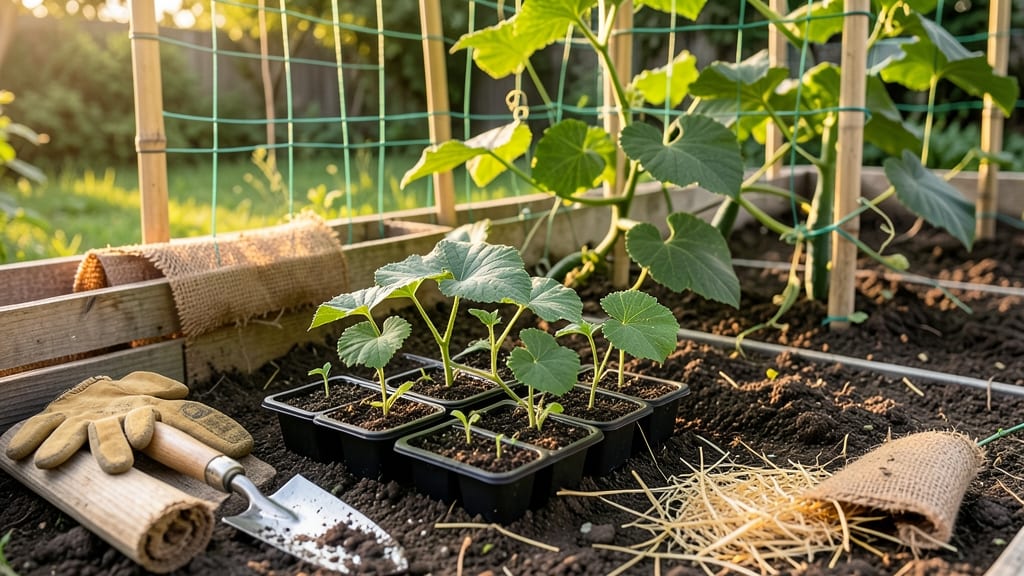
Timing your cucumber 🥒 planting in Central Florida isn't just about avoiding frost—it's about beating the heat before your plants bolt and give up on fruit.
With 300+ frost-free days and scorching summers, getting those seeds in the ground at the right moment means the difference between a bountiful harvest and a sad, bitter disappointment.
Most gardeners in USDA Zone 9b know the basics: plant in spring or fall. But here's the secret most miss—your soil temperature matters more than the calendar.
Waiting until the ground hits at least 60°F (usually late February to early March) gives your cucumbers the warm start they crave, while still dodging that pesky last frost risk.
I've learned the hard way that planting too early means wimpy vines struggling through cool soil, while waiting too long risks bolting before you even get to taste that first crisp slice.
The sweet spot? February-March for spring plantings, with a backup window in August-September for fall harvests when temps start cooling down.
Ready to master this? I'll walk you through the exact weeks to plant, heat-beating strategies, and even which cucumber varieties play nice in Florida's humidity. Let's grow those 🥒 like a pro.
Central Florida cucumber planting calendar: exact weeks before last frost to avoid bolting
Timing your cucumber planting in Central Florida isn’t just about avoiding frost—it’s about preventing bolting, where plants flower too early and produce bitter fruit. With USDA Zone 9b conditions, your window is tight but strategic.
The key is planting 4-6 weeks before your last frost date, which typically falls between mid-January and early February for most of Central Florida.
For direct sowing, aim for February 15–March 15 in Orlando, Tampa, and Gainesville. If you’re using transplants, start them indoors 6-8 weeks before your target outdoor date. This ensures seedlings are 3-4 inches tall with 2-3 true leaves when moved outside.
Here’s the critical rule: Wait until soil temperatures hit at least 60°F—cold soil slows germination and invites rot. Use a soil thermometer to check, especially in microclimates like shaded areas or near large trees.
Bolting risk spikes when days get too hot or too long. In Central Florida, summer heat can trigger early flowering, so fall plantings (August–September) are your safest bet for a second harvest. Just be ready to shade young plants if temps exceed 90°F.
🌱
| Location | Last Frost Date | Direct Sow Window | Transplant Window | Fall Planting Window |
|---|---|---|---|---|
| Orlando | Mid-January | Feb 15–Mar 15 | Jan 15–Feb 15 (indoors) | Aug 1–Aug 31 |
| Tampa | Early January | Feb 1–Mar 10 | Jan 1–Feb 10 (indoors) | Jul 20–Aug 15 |
| Gainesville | Late January | Feb 20–Mar 20 | Jan 20–Feb 20 (indoors) | Aug 10–Sep 1 |
Microclimates in Central Florida can shift your planting window by 1-2 weeks. Coastal areas like Cocoa Beach have warmer soil and can plant 2 weeks earlier than inland zones. Conversely, higher elevations near Mount Dora may need to delay by 1 week due to cooler nights.
To maximize your harvest, succession plant every 2 weeks from February through April. This ensures a steady supply of fresh cucumbers without overwhelming your garden at once. For fall plantings, start seeds indoors in July and transplant by mid-August.
Pro tip: Use black plastic mulch to warm soil faster and straw mulch to retain moisture. This combo can push your planting window 10-14 days earlier in spring and extend fall harvests by 3-4 weeks.
🌿
Monitor your local National Weather Service alerts for unexpected cold snaps, even in Zone 9b. A single night below 30°F can damage young plants, so have row covers or a greenhouse ready for emergencies.
Finally, avoid planting too early—cool soil and long days can trigger bolting. Stick to these windows, and you’ll enjoy crisp, sweet cucumbers from April through June and again in fall. Happy planting!
How to extend your cucumber growing season in Central Florida’s heat without risking bolting
Central Florida’s summer heat can turn your cucumber plants into bolt-happy disasters if you don’t act fast. With temperatures soaring past 90°F, cucumbers race to flower and fruit before producing quality harvests. The key? Strategic heat management to keep plants productive through fall harvests.
Start by monitoring soil temperatures—they should stay between 60–85°F. If your soil heats up beyond 85°F, cucumbers will bolt prematurely. Use black plastic mulch or straw mulch to regulate soil temps and retain moisture. This simple trick can buy you 4–6 extra weeks of harvest time.
🌱
- 🌿 Shade cloth (30–50%) during peak afternoon sun (12 PM–4 PM). Remove by 10 AM to avoid stunted growth.
- 💧 Drip irrigation with morning watering (before 9 AM). Avoid wetting leaves to prevent powdery mildew.
- 🌱 Succession plant every 2–3 weeks from August–September for staggered harvests.
- 🌿 Companion plant with radishes or beans to improve soil health and deter pests like cucumber beetles.
- ✂️ Prune aggressively—remove yellowing leaves and side shoots to redirect energy to fruit production.
For fall harvests, aim to plant cucumbers in late July–early August. This timing lets them mature before cooling temperatures slow growth. Choose heat-tolerant varieties like ‘Straight Eight’ or ‘Marketmore 76’—they handle Florida’s heat better than standard types.
Watch for heat stress signs: curled leaves, yellowing foliage, or bitter-tasting fruit. If you see these, act fast with shade cloth and increased watering. With the right tactics, you can push your harvest window into November—just in time for holiday salads!
🥒