
Plants
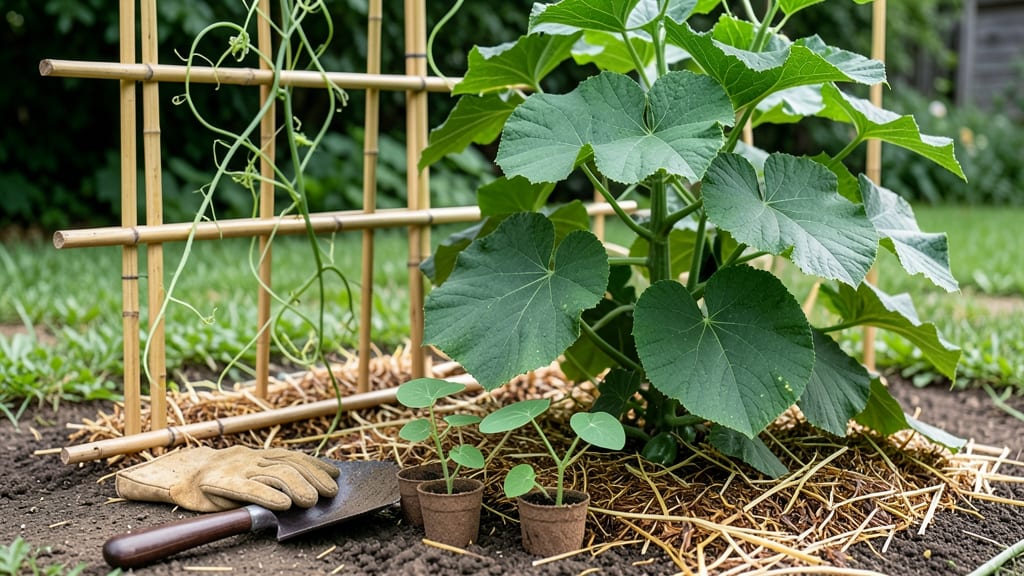
Timing your cucumber planting in East Tennessee isn't just about throwing seeds in the dirt—it's the difference between a bountiful harvest and wasted effort.
With April 15 to May 15 as your ideal window, you're working against unpredictable spring frosts that can turn your hard work into a sad, wilted pile of 🥒 dreams.
Here's the secret: soil temperature matters more than calendar dates. Cucumbers need warmth—at least 60°F—to germinate properly, and East Tennessee's valleys and ridges can create microclimates where timing varies by weeks. I'll show you exactly how to check your soil and adjust your planting schedule for maximum success.
Why does this matter? Because getting it right means fresh cucumbers from June through September, while getting it wrong could leave you with nothing but empty vines. Whether you're a seasoned gardener or just starting, these insights will help you plan for the best possible yield in your zone.
Let's dive into the specifics—soil prep, frost dates, and even how to use row covers or containers to extend your growing season. Your future harvest depends on it!
Optimal planting timeline for East Tennessee cucumbers based on frost dates
East Tennessee’s frost dates create a tight window for cucumber planting—typically April 15 to May 15—but microclimates in valleys like Knoxville and ridges near Johnson City can shift this by 1-2 weeks.
The average last spring frost arrives around April 1–15, while the first fall frost hits October 15–November 1, giving you roughly 180 frost-free days to grow cucumbers.
For maximum yields, align your planting with these dates: Start transplants indoors by March 15 (if using row covers or a greenhouse) or direct sow seeds after May 1 when soil stays above 60°F. This strategy avoids late frosts that can kill tender seedlings.
Here’s how to break it down by method: Transplants give you a 2-week head start over direct sowing, but require hardening off (acclimating to outdoor temps) for 7–10 days before planting. Direct sowing, on the other hand, skips this step but needs warmer soil to germinate quickly.
If you’re in Zone 6a (e.g., higher elevations like Gatlinburg), aim for late April planting, while Zone 7b (e.g., Chattanooga) can start as early as mid-April. Use local Cooperative Extension frost data to fine-tune your schedule.
For a second harvest in late summer, try succession planting by sowing every 2 weeks until July 15. This extends your harvest through September, just before fall frosts arrive.
🌱 East Tennessee Cucumber Planting Timeline
| Stage | Action | Notes |
|---|---|---|
| Indoor Start (Transplants) | Sow seeds March 15–April 1 | Use grow lights if natural light is <6 hours/day |
| Hardening Off | Acclimate 7–10 days before last frost | Move outdoors gradually (2 hours/day) |
| Transplant Outdoors | Plant after May 1 (soil ≥60°F) | Space 12–24 inches apart (dwarf vs. vining) |
| Direct Sow Outdoors | Sow April 15–May 15 | Use row covers for early starts |
| Succession Planting | Sow every 2 weeks until July 15 | Extends harvest through September |
| Fall Harvest Window | Harvest until first frost (Oct 15–Nov 1) | Use black plastic mulch to delay frost |
Pro tip: Use biodegradable plant collars to mark your rows and stake or trellis vining varieties to save space. In valley areas like Knoxville, where cold air pools, plant on south-facing slopes to warm soil faster.
If you’re container gardening, start seeds in 5-gallon pots by April 1 and move them outdoors after May 15. Containers warm up faster than soil, giving you an edge in cooler microclimates.
Monitor your local Almanac frost predictions and adjust your timeline by 1 week if late frosts are forecasted. Cucumbers are frost-sensitive, so erring on the side of planting late is better than risking a failed crop from a surprise freeze.
Soil temperature requirements for cucumber germination in Tennessee’s climate
Cucumbers are warm-weather plants that won’t germinate until the soil reaches at least 60°F.
In East Tennessee’s USDA Zones 6a-7b, this typically means waiting until mid-to-late April for most areas. Ideal germination occurs at 70°F or warmer, so don’t rush—cold soil can leave you with spotty or failed germination.
To check soil temperature, use a soil thermometer buried 2 inches deep.
If your garden sits in a valley, it may stay cooler longer than ridge areas. Dark-colored soil warms faster, while sandy soil heats up quicker than clay. Black plastic mulch can raise soil temps by 5-10°F if applied 1-2 weeks before planting.
If your soil is still below 60°F by late April, consider container gardening with heat mats or row covers to create a microclimate. Transplants (purchased from nurseries) can handle slightly cooler soil than seeds, giving you a 2-week head start over direct sowing.
Cold Soil Warning
Planting cucumbers in soil below 60°F risks:
- Slow germination (weeks instead of days)
- Seed rot from damp, cold conditions
- Weak seedlings prone to disease
For early starts, use biodegradable seed pots filled with sphagnum moss or coconut coir.
Soak the pots in warm water (80°F) for 24 hours before planting to jumpstart germination. Avoid planting before April 15 unless you’re using row covers or a greenhouse, as late frosts are common in East Tennessee’s higher elevations.
Once soil reaches 70°F+, cucumbers will sprout in 3-7 days. Thin seedlings to 12 inches apart to prevent competition. Mulch heavily with straw to maintain soil warmth and moisture, which is critical during East Tennessee’s hot, humid summers when soil can dry out quickly.
Monitor your garden for soil temperature drops after planting—even a 10°F drop can stall growth. Drip irrigation set to run in the early morning helps stabilize soil temps while keeping roots hydrated. Harvest readiness begins 50-70 days after planting, but only if soil temps stayed ideal during growth.