
Plants
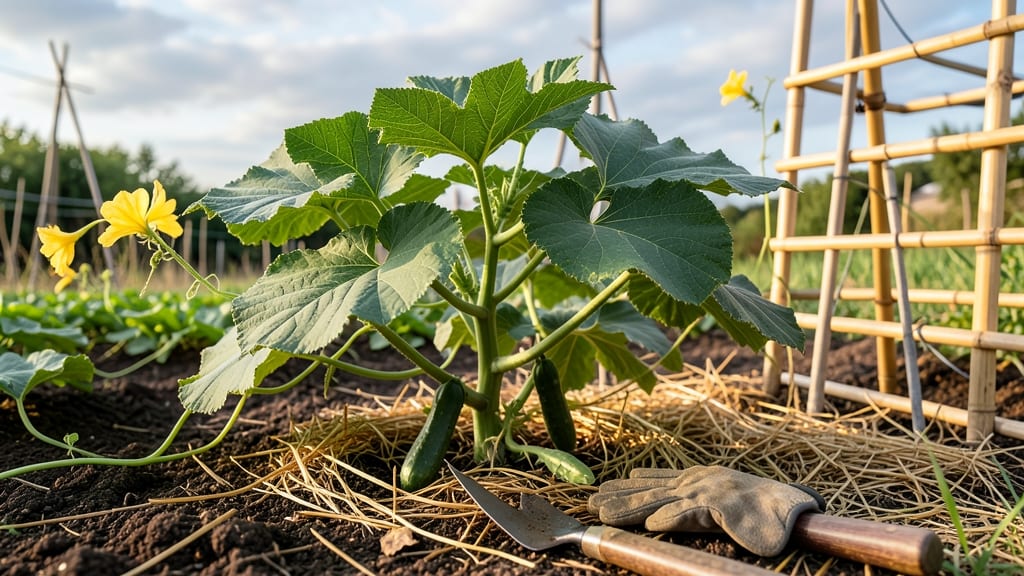
Timing your 🥒 cucumber planting in New Hampshire isn’t just about the calendar—it’s about beating the region’s notorious late frosts and chilly soils. Plant too early, and your seedlings will wilt; wait too long, and you’ll miss the short growing season entirely.
The key? Understanding your local frost-free window and soil temperature thresholds—because even USDA Zone 5b-6b can throw curveballs.
Most gardeners in NH wait until mid-May to early June, but that’s just the starting point. The real secret lies in soil warmth—cucumbers need temperatures above 60°F to thrive, and NH’s rocky terrain can delay that for weeks.
I’ll show you how to check soil readiness and adjust planting dates based on your specific microclimate, whether you’re in the White Mountains or the Seacoast.
Beyond timing, I’ll cover 5 proven methods to stretch your growing season, from cold frames to heat-tolerant varieties that actually work in NH’s unpredictable summers. You’ll also learn the 3 biggest mistakes that sabotage cucumber harvests here—and how to avoid them before they happen.
Ready to turn your garden into a 🥒 cucumber powerhouse? Let’s break down the exact steps to maximize your harvest, no matter where you are in the Granite State.
New Hampshire’s frost-free timeline & soil temperature requirements for cucumbers
New Hampshire’s cool, variable climate demands precise timing when planting cucumbers. Unlike warmer regions, NH’s USDA Zones 5b-6b mean you’ll need to wait until soil temperatures consistently hit 60°F or above—a critical threshold for cucumber germination.
Planting too early risks stunted growth or seed rot, while waiting too long cuts your harvest window short.
Most of New Hampshire experiences its average last frost date between May 15 and June 1, but coastal areas (like Portsmouth) tend to warm up 1-2 weeks earlier than inland regions (e.g., White Mountains).
Checking your local microclimate is key—elevation and proximity to lakes or forests can shift frost dates by 10 days or more.
| Region | Last Frost Date | Soil Temp Ready | Planting Window |
|---|---|---|---|
| Coastal (Portsmouth, Dover) | Mid-May (May 10-15) | 60°F+ (early May) | Late April–early May (with protection) |
| Southern NH (Concord, Manchester) | Late May (May 20-25) | 60°F+ (late May) | Early–mid June |
| Northern NH (Laconia, White Mountains) | Early June (June 1-5) | 60°F+ (early June) | Mid–late June |
| Mountainous (North Conway, Franconia) | June 10+ | 60°F+ (late June) | Late June (or start indoors) |
To verify your soil’s readiness, use a soil thermometer buried 2 inches deep in full sun. Cucumbers won’t thrive below 55°F, so if your readings dip, opt for black plastic mulch or a cold frame to accelerate warming.
Pro tip: NH’s late spring frosts (even in June) can still damage young plants, so have row covers ready.
For direct-sown cucumbers, aim for mid-May to early June in most of NH. If you’re growing bush varieties (like ‘Bush Champion’), they tolerate cooler soils slightly better than vining types, but never plant before May 15 unless you’re using a heated mat or greenhouse.
Seedlings started indoors 3-4 weeks before your last frost date can give you a 2-week head start.
Monitor the National Weather Service’s NH forecasts or local Cooperative Extension offices for real-time updates. Tools like the Old Farmer’s Almanac or Plant Maps app provide hyperlocal frost predictions—critical for NH’s 165-day growing season.
Remember: Cucumbers need warmth to germinate, but they’ll bolt (flower prematurely) if stressed by heat waves later in the season.
Once planted, maintain consistent soil moisture—NH’s dry summers can stress cucumbers quickly. Use drip irrigation or soaker hoses to deliver 1 inch of water weekly, focusing on the root zone.
Mulch with straw or grass clippings to retain moisture and regulate soil temperature, which is especially important in inland NH’s temperature swings.
If you’re in a high-elevation area (e.g., above 2,000 feet), consider container gardening with heat-loving varieties like ‘Straight Eight’ or ‘Marketmore 76’. These tolerate warmer microclimates better and can be moved to sunny patios when nighttime temps drop.
Just ensure containers have drainage holes and use lightweight potting mix to prevent overheating.
Finally, keep an eye on the horizon for frost warnings into late September. While cucumbers are frost-sensitive, a light frost won’t harm established plants—but a hard freeze (below 28°F) will kill vines.
Plan to harvest all cucumbers by October 1 in most of NH, or use row covers to extend the season by 2-3 weeks.
Timing your cucumber planting in NH boils down to patience and preparation. By aligning your schedule with soil warmth, local frost dates, and microclimate nuances, you’ll maximize your harvest before NH’s early autumn frosts arrive. 🌱
New Hampshire’s frost-free timeline & soil temperature requirements for cucumbers
New Hampshire’s 🥒 cucumbers thrive only when soil temperatures hit 60°F+, but our state’s rocky terrain and late frosts make timing tricky. Coastal areas like Portsmouth often warm by mid-May, while inland regions near Concord may wait until early June.
The key is checking your local last frost date—not just the calendar—because a cold snap can wipe out seedlings in minutes.
Use the USDA Plant Hardiness Zone Map (NH falls in 5b-6b) as a starting point, but verify with your local cooperative extension office. For example, the White Mountains average 2-3 weeks later than the Seacoast.
I’ve planted cucumbers in both regions, and the difference in timing is critical—especially for heat-loving varieties like ‘Straight Eight’.
Soil temperature matters more than air temperature. Cucumbers won’t germinate below 60°F, and even if they sprout, cold soil stunts growth. Use a soil thermometer ($10 at garden centers) to check depths of 2-4 inches.
If your soil is still chilly, try black plastic mulch—it can raise temperatures by 5-10°F in just days.
| Region | Avg. Last Frost | Soil Warmth Goal | Planting Window |
|---|---|---|---|
| Coastal (Portsmouth) | Mid-May | 60°F+ (early May) | Late April–May 15 |
| Inland (Concord) | Early June | 60°F+ (late May) | May 20–June 5 |
| Northern (Laconia) | Early June | 60°F+ (late May) | May 25–June 10 |
| Mountains (White Mountains) | Late June | 60°F+ (June) | June 10–20 |
For extra safety, plant bush varieties like ‘Bush Champion’—they mature faster than vining types and tolerate cooler soils better. If you’re in doubt, start seeds indoors 4-6 weeks before your last frost date and transplant hardened-off seedlings after Memorial Day.
I’ve used this method in Zone 5b with great success, even when outdoor conditions were still iffy.
Don’t forget to monitor NH’s microclimates. A south-facing slope warms faster than a north-facing yard, and urban areas (like Manchester) can be 5°F warmer than rural spots. Use a frost-free date calculator like the Old Farmer’s Almanac or your local NOAA weather station for real-time updates.
Once your soil hits 60°F and the risk of frost has passed, it’s time to plant. But here’s the catch: NH’s growing season is short—only about 165 frost-free days.
That’s why timing isn’t just about planting; it’s about maximizing every warm day to get the most out of your harvest. 🌱