
Plants
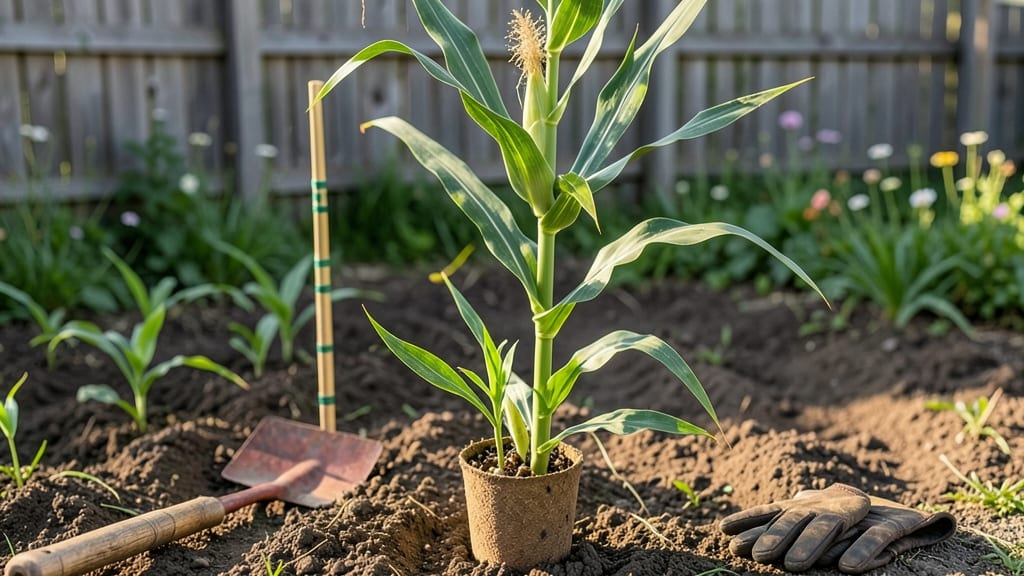
Planting corn in New Hampshire at the wrong time can mean the difference between a bumper crop of sweet 🌽 ears and a disappointing harvest. With our 5a-6b climate, timing is everything—too early and frost will nip tender seedlings, too late and you’ll miss the growing season entirely.
Most gardeners here wait until soil temperatures hit 60°F (usually mid-April to early June), but that’s just the starting point. The real key is knowing your last frost date and choosing varieties that mature before autumn’s first chill.
I’ll break down exactly when to plant for your region, plus how to adjust if Mother Nature throws you a curveball.
Whether you’re growing sweet corn for summer meals or dent corn for fall storage, getting the timing right ensures healthier plants and better yields. Let’s dive into the science behind NH’s planting windows and how to work with your local microclimate for successful corn growth.
From coastal areas with milder springs to inland zones where frost lingers longer, I’ll cover all the factors that matter—so you can plant with confidence and enjoy that first ear of homegrown corn by late July.
New Hampshire corn planting dates by soil temperature and frost risk
Timing your corn planting in New Hampshire depends on two critical factors: soil temperature and last frost dates. Corn seeds won’t germinate well below 50°F (10°C), but they thrive once soil hits 60°F (15°C).
In Zone 5a/5b, this typically means waiting until mid-May for most regions, though coastal areas like Portsmouth may see earlier windows.
New Hampshire’s average last frost date falls around May 15, but inland areas like Concord or White Mountains can experience frost as late as June 1. Planting too early risks frost damage to young shoots, while waiting too long may shorten the growing season for later varieties.
Here’s a quick reference for ideal planting windows based on soil warmth and frost risk:
| Region | Soil Temp Threshold | Last Frost Date | Best Planting Window | Heat Units Needed |
|---|---|---|---|---|
| Coastal (e.g., Portsmouth) | 60°F (15°C) | Late April - Early May | Mid-April to May 10 | 2,200-2,500 |
| Southern NH (e.g., Manchester) | 60°F (15°C) | Mid-May | Late April to May 20 | 2,300-2,600 |
| Central NH (e.g., Concord) | 60°F (15°C) | Early June | May 1 to June 1 | 2,400-2,700 |
| Northern NH (e.g., White Mountains) | 60°F (15°C) | Late May - Early June | Late May to June 10 | 2,500-2,800 |
Heat units (growing degree days) determine how quickly corn matures. Most sweet corn varieties need 2,200–2,800 heat units to reach harvest. Use a soil thermometer to confirm warmth before planting—cold soil delays germination by weeks.
For early varieties (60–75 days to maturity), aim for late April to early May in coastal areas. Mid-season varieties (75–90 days) should go in by mid-May, while late varieties (90+ days) need June planting to avoid frost.
Pro tip: Check the UNH Cooperative Extension frost maps annually—they update last frost dates based on recent climate trends. In 2023, for example, some areas saw frost as late as June 10, pushing planting dates back by weeks.
If you’re unsure about your microclimate, observe nearby gardens or ask local farmers. Inland valleys often frost later than hilltops, so adjust planting times accordingly. For example, Laconia’s frost risk extends into late May, while Dover’s coastal influence keeps frost earlier.
Once soil hits 60°F (15°C), plant seeds 1 inch deep in rows 3 feet apart. Thin seedlings to 12 inches apart once they’re 6 inches tall to ensure proper air circulation and ear development. 🌱
For gardeners in northern NH counties, consider black plastic mulch to warm soil faster—this can shave 1–2 weeks off your planting timeline. Pair it with row covers for extra frost protection if early planting is necessary.
Remember: Corn needs consistent warmth to grow. If daytime highs dip below 70°F (21°C) for extended periods, growth slows dramatically. Monitor your garden’s microclimate and adjust planting dates to maximize your harvest window before the first frost in October. ☀️
How to adjust corn planting time for New Hampshire’s weather quirks
New Hampshire’s cool springs and late frosts can throw off corn planting schedules, but smart adjustments ensure a bountiful harvest. If you’re used to planting in May, a cold snap in April might leave your seeds sitting in chilly soil for weeks—delaying growth and risking poor yields.
The key is adapting to your local microclimate, whether you’re in coastal Portsmouth (warmer) or inland White Mountains (colder).
For northern NH counties, where frost lingers until mid-May, consider using black plastic mulch or row covers to warm the soil faster. These tools can raise soil temperatures by 5-10°F, helping seeds germinate sooner.
If you’re in southern NH, you might even squeeze in an early April planting for fast-maturing varieties like 'Early Sunglow' (65 days to harvest).
Planting corn in soil below 50°F (10°C) slows germination and increases disease risk. Use soil thermometers to monitor temps—wait until 60°F (15°C) for best results.Cold Soil Warning
If you miss the ideal May window, don’t panic—late June plantings can still work if you choose short-season varieties. Opt for 85-day hybrids like 'Ambrosia' or 'Bodacious' instead of 110-day varieties.
These stay sweet even when harvested smaller and can tolerate shorter daylight hours. Just be prepared for smaller ears—but they’ll still be delicious!
For northern NH gardeners, consider staggered plantings: sow a few rows in early May (with row covers) and another batch in late May to spread out your harvest.
This risk management strategy ensures you get some corn even if one batch fails due to weather. It’s also a great way to enjoy fresh ears over a longer period.
Don’t overlook frost-proofing techniques for late-season corn. If you’re planting in June, use low tunnels or hoop houses to protect tender plants from unexpected fall frosts. These structures can add 5-10°F of protection, buying you extra time to harvest before the first frost hits in mid-October.
Even a lightweight row cover can make the difference between a failed crop and a successful one.
🌱
Finally, keep an eye on local weather forecasts and NH Agricultural Extension resources. Their frost-free date maps and heat unit calculators can help you fine-tune your planting schedule. For example, Portsmouth typically has a longer frost-free season than Berlin, so adjust your variety choices accordingly.
By staying flexible and using these weather-smart strategies, you’ll turn NH’s unpredictable climate into an advantage rather than a setback.