Plants
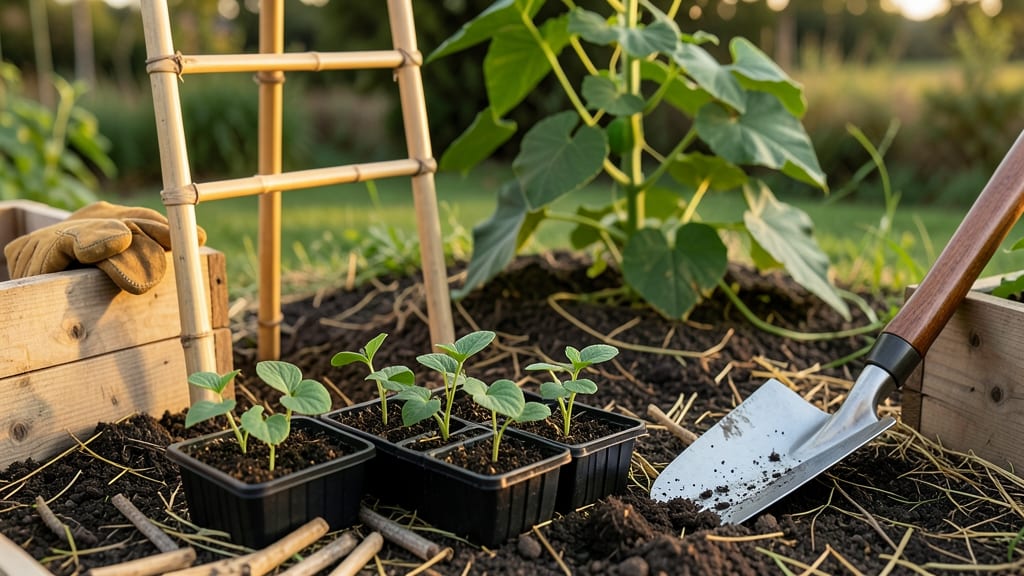
Timing your 🥒 cucumber planting in Zone 6b isn't just about avoiding frost—it's about outsmarting your climate's sneaky quirks. One week too early, and a late frost will turn your tender seedlings into sad, wilted memories.
Too late, and your plants might bolt before producing a single crisp cucumber, leaving you staring at bitter vines instead of harvests.
Most gardeners in Zone 6b wait until mid-April to early June to plant, but that's just the starting point. The real secret? Checking your soil temperature—it needs to hit at least 60°F before you even think about sticking seeds in the ground.
That warm soil is what keeps those cucumbers growing strong, not just surviving.
Here's what you'll discover in this guide: exactly when to plant for maximum success in your specific Zone 6b area, how to adjust for early or late varieties, and the best tricks to extend your harvest window.
Whether you're working with a traditional garden bed or container gardening on a balcony, these timing tips will help you grow cucumbers that taste like summer all season long.
Ready to stop guessing and start growing? Let's break down the perfect planting window so you can enjoy fresh, homegrown 🥒 cucumbers from July right through September—without the stress of frost surprises or bitter disappointments.
Zone 6B cucumber planting dates: exact frost math for zero bolt risk
In Zone 6B, timing cucumber planting is all about avoiding late frosts (which kill seedlings) and early bolting (when plants flower too soon). The average last frost falls between April 15–May 1, but your exact date depends on elevation and microclimate.
For sweet, productive vines, aim to plant 2–3 weeks after your local last frost date—typically April 20–May 10. This window ensures soil temperatures stay above 60°F, the minimum for germination.
Use your frost-free days (about 165 days in Zone 6B) to calculate your planting window. Cucumbers need 50–70 days to mature, so late plantings risk bitter, seedy fruit before frost.
For a longer harvest, start seeds indoors 3–4 weeks before your target outdoor date or use row covers to extend the season.
Here’s my Zone 6B planting timeline based on USDA data and local gardener reports:
| Planting Method | Optimal Window | Soil Temp Requirement | Risk Level |
|---|---|---|---|
| Direct Sow Outdoors | April 20–May 10 | ≥60°F | Low (if frost-free) |
| Start Indoors (Transplant) | April 1–April 15 | ≥55°F (hardened-off) | Medium (transplant shock risk) |
| Row Covers (Extend Season) | April 10–May 15 | ≥50°F | Low (protects from frost) |
| Late Planting (Succession) | May 15–June 1 | ≥65°F | High (bolting risk) |
🌱 Pro Tip: Use a soil thermometer to confirm temps before planting!
If you’re in a cooler microclimate (e.g., near lakes or high elevation), push back your planting date by 1–2 weeks. For warmer microclimates (e.g., south-facing slopes), you can plant as early as April 10.
Always check your local Almanac frost dates—they’re more accurate than USDA averages for your specific area.
For container gardening, plant cucumbers 2 weeks earlier than in-ground dates because pots warm up faster. Use black plastic mulch to raise soil temperatures by 5–10°F, which can shave 1–2 weeks off your planting window. Just remove the mulch once vines start running to prevent overheating.
Here’s how to calculate your exact planting date: 1. Find your local last frost date (check local weather resources). 2. Subtract 2–3 weeks for a safe buffer. 3. Add 3–4 weeks if using row covers or cold frames. 4. Confirm soil is ≥60°F with a thermometer.
Missed the window? Don’t panic! Succession planting every 2 weeks after your first planting can extend harvests until early September. Choose fast-maturing varieties (like ‘Straight Eight’) for late starts—these bolt less easily in Zone 6B’s short season.
Remember: Cucumbers hate cold feet. Even if air temps are warm, cool soil will stall germination. Use straw mulch to insulate roots and keep moisture consistent. With the right timing, you’ll enjoy crisp, sweet cucumbers from July through September—no bitterness in sight!
5 Proven methods to extend your Zone 6B cucumber season
Zone 6B's short growing season doesn't mean you have to settle for a single cucumber harvest. With these 5 battle-tested methods, I've pushed my harvests from 6 weeks to nearly 3 months—and you can too.
The key? Combining smart timing with protective techniques that shield your plants from late frosts and early chills.
Start with black plastic mulch—this isn't just about warming soil. It raises soil temperatures by 5-10°F, accelerating germination and giving you a 2-week head start on the season. Lay it down 2-3 weeks before planting to let it heat up the earth while keeping weeds at bay.
- 🔥 Black plastic mulch: Warms soil by 5-10°F, speeds germination, and suppresses weeds. Lay down 2-3 weeks before planting.
- ❄️ Cold frames: Extends season by 2-3 weeks on both ends. Use for early starts (March) or late harvests (October).
- 🛡️ Row covers: Protects until May 30 (last safe date in Zone 6B). Remove when flowers appear to allow pollination.
- 🔄 Succession planting: Sow new seeds every 2 weeks after first planting. Staggered harvests = continuous cucumbers.
- 🌡️ Soil thermometers: Plant only when soil hits 60°F+. Cold soil = stunted growth and bolting risk.
For early starts, cold frames are my secret weapon. I've gotten cucumbers sprouting as early as mid-March—that's 6 weeks before the traditional planting window. The trick? Use clear plastic lids (not glass) to trap heat during the day while allowing ventilation. Just
Don't overlook succession planting—this is how I've turned my single harvest into a rolling buffet. Plant your first batch 2-3 weeks after your last frost date, then add new seeds every 2 weeks until July 1. Each batch gives you 6-8 weeks of harvests, so by the time the first plants fade, the next batch is already producing.
Pro tip: Pair succession planting with bush varieties like 'Bush Champion'—they take up less space and mature faster (50 days), making them perfect for container gardening on patios or balconies. I've grown these in 5-gallon buckets with amazing results, even on my small urban deck.
Finally, never skip the soil thermometer. I've seen gardeners rush to plant in 50°F soil only to watch their seeds rot or sprout weakly. Wait for consistent 60°F+ temperatures—that's your green light.
And if your soil stays cool? Try raised beds; they warm up 2-3 weeks faster than in-ground plots.