
Plants
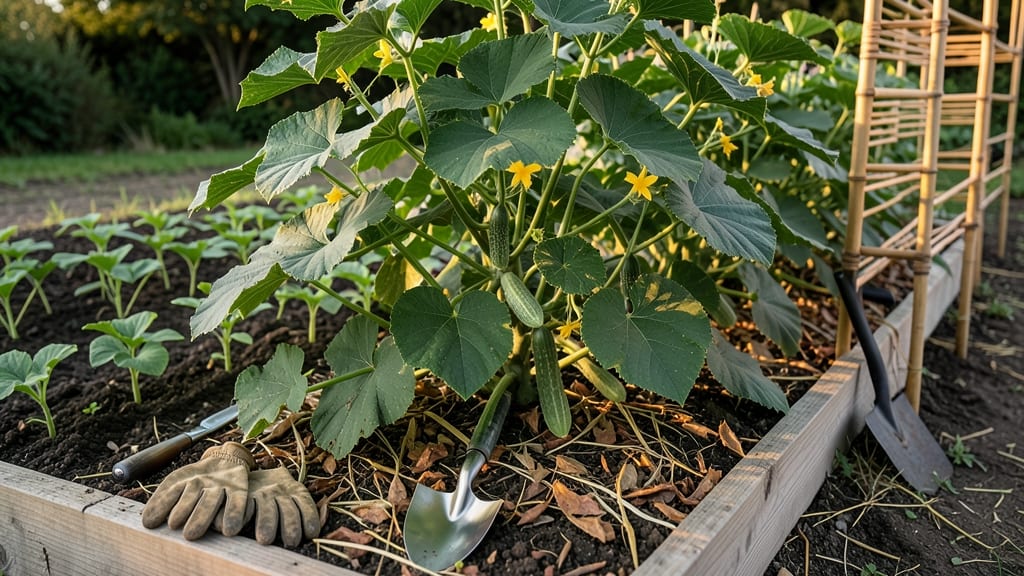
If you're growing cucumbers in Zone 9b, timing is everything—plant too early, and heat stress causes bolting; too late, and your harvest suffers.
The key to success lies in those critical weeks when soil temperatures hit just right, typically between 60°F and 70°F, which in this desert climate means late winter to early spring.
In Zone 9b (think Phoenix or Southern California desert), cucumbers thrive when planted between February and March, but there’s a sweet spot: the last two weeks of February to the first two weeks of March.
This window gives your 🥒 seedlings enough time to establish roots before the scorching summer heat arrives, ensuring a productive harvest from late spring to early summer.
You might wonder whether to start with seeds or transplants. For Zone 9b’s unique climate, I recommend using transplants for a head start, but if you prefer direct sowing, wait until soil temperatures consistently stay above 60°F.
Either way, avoiding water stress and bolting is the game-changer for a bountiful harvest.
Let’s break down the exact steps to time your planting perfectly, including soil prep, watering tips, and how to extend your growing season if you want to keep enjoying fresh cucumbers well into summer. Ready to grow like a pro?
Optimal planting weeks for cucumbers in Zone 9b (avoiding heat stress)
In Zone 9b, cucumbers thrive when planted during late winter to early spring, but timing is critical to avoid bolting (premature flowering). The ideal window is mid-February to mid-March, when soil temperatures consistently reach 60°F or higher.
Planting too early risks cold stress, while waiting too late can lead to heat exhaustion before harvest.
Cucumbers are warm-season crops, so they need stable warmth to grow properly. In Zone 9b, frost is rare, but cool snaps below 50°F can stunt seedlings. Start seeds indoors 3-4 weeks before transplanting or buy hardy starter plants from local nurseries to give them a head start.
For direct sowing, wait until March 1-15 when soil is warm and dry. If you’re transplanting, late February to early March works best. Use black plastic mulch to warm the soil faster and retain moisture—this is a game-changer in desert climates like Phoenix or Southern California.
Here’s the exact timeline for Zone 9b, including soil prep and transplanting tips:
| Stage | Action | Notes |
|---|---|---|
| Soil Prep | Test soil pH (aim for 6.0–6.8). Add compost or aged manure for fertility. | Do this 4–6 weeks before planting. |
| Indoor Seed Start | Sow seeds 3–4 weeks before last frost (or late January). | Use seed-starting mix and keep under grow lights. |
| Transplant Outdoors | Move seedlings late February–early March when soil is 60°F+. | Hardening off is critical—acclimate for 7–10 days. |
| Direct Sowing | Plant seeds March 1–15 in warm soil. Use black plastic mulch to retain heat. | Sow 1 inch deep, 3–4 seeds per hill, 12–24 inches apart. |
| Post-Planting Care | Water deeply 2x/week (1–2 inches). Use drip irrigation to avoid wetting leaves. | Apply mulch to retain moisture and cool roots. |
If you’re using starter plants, choose heat-tolerant varieties like ‘Straight Eight’, ‘Armenian’, or ‘Lemon Cucumber’. These varieties handle Zone 9b’s heat better than traditional slicing types. Avoid thin-skinned varieties like ‘Marketmore’, which bolt easily in high temps.
Pro tip: In Zone 9b, succession planting every 2–3 weeks from February to May ensures a continuous harvest. Just be sure to harden off new seedlings properly to avoid transplant shock in the desert sun.
After planting, monitor soil moisture closely—drought stress is the #1 cause of bolting. Use a soil moisture meter to check 2–3 inches deep before watering. Aim for consistently damp (not soggy) soil to keep cucumbers producing.
Finally, trellis your cucumbers if space is limited. Vining types grow 6–10 feet tall, but trellising improves airflow, reduces disease risk, and makes harvesting easier. Use strong stakes or a wire trellis and train vines as they grow.
Optimal planting weeks for cucumbers in Zone 9b (avoiding heat stress)
In Zone 9b, cucumbers need precise timing to avoid bolting (premature flowering) or heat stress. The ideal window is the last two weeks of February through the first two weeks of March, when soil temperatures hover between 60°F and 70°F.
This aligns with the region’s mild winters and avoids the brutal summer heat that can stunt growth.
For direct sowing, wait until soil reaches 60°F+ (use a soil thermometer). If transplanting, start seedlings indoors 4-6 weeks before your target date. Zone 9b’s long growing season means you can also try a fall planting in late summer for a second harvest before cooler weather sets in.
Here’s the breakdown of your planting timeline with key thresholds:
| Stage | Action | Temperature Threshold | Notes |
|---|---|---|---|
| Soil Prep | Amend with compost | N/A | Aim for pH 6.0-6.8 |
| Seed Starting (Indoors) | 4-6 weeks before transplant | 70°F+ | Use heat mat for faster germination |
| Transplanting | Last 2 weeks Feb - 1st 2 weeks Mar | 60°F+ soil temp | Hardening-off required |
| Direct Sowing | Mid-March to early April | 65°F+ soil temp | Plant 1" deep, 2-3 seeds per hole |
| Fall Planting (Optional) | Late August - early Sept | 75°F+ air temp | Use heat-tolerant varieties |
Pro tip: If your soil warms up faster than expected, use shade cloth (30-50%) to protect young plants from heat stress. Zone 9b’s intense sun can scorch seedlings if planted too early, even if temperatures seem ideal.
For transplants, choose heat-tolerant varieties like ‘Straight Eight’ or ‘Lemon Cucumber’—they handle Zone 9b’s climate better than standard types. Always water deeply at transplanting to reduce shock, and mulch with straw or wood chips to retain moisture.
Timing your cucumbers right in Zone 9b isn’t just about the calendar—it’s about soil temperature, variety selection, and seasonal adjustments. With these exact weeks and thresholds, you’ll avoid bolting and enjoy a productive harvest from late spring to early summer. 🥒