Plants
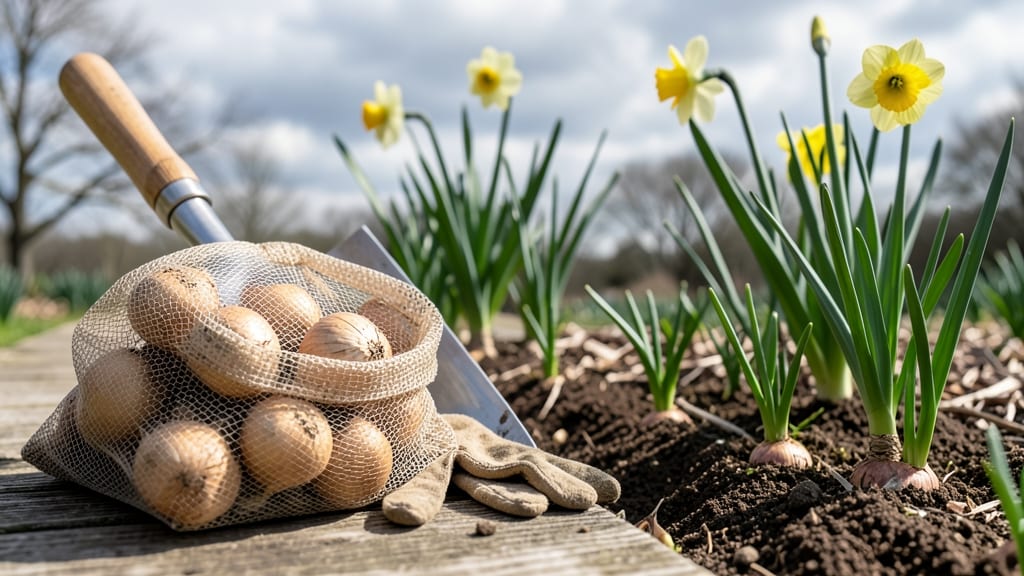
Timing your daffodil 🌼 planting in California could mean the difference between a vibrant spring garden and a missed opportunity. With the state's diverse microclimates—from coastal fog to desert heat—getting those bulbs in the ground at the right moment is key to ensuring they thrive.
Most gardeners know fall is the prime window, but the exact timing varies dramatically by region. Whether you're in the cooler Zone 7 inland valleys or the milder Zone 10 coastal areas, planting too early or late can leave your daffodils struggling.
Let me show you the best months to plant for each California climate zone.
You'll discover how to adjust for early blooms in cooler regions or delay planting in desert areas to avoid winter rot. Plus, I'll share soil prep tips that make all the difference in your daffodils' success—because even the hardiest bulbs need the right conditions to shine.
From choosing the perfect variety for your microclimate to troubleshooting common timing mistakes, this guide gives you everything you need to plant with confidence. Let's get those bulbs in the ground at just the right moment for a showstopping spring display.
Best months to plant daffodils in California by region (coastal vs. inland vs. desert)
California’s microclimates create a daffodil-planting puzzle—what’s perfect in San Francisco ruins blooms in Palm Springs. The golden rule? Plant 6-8 weeks before your region’s first frost. Coastal areas can wait until December, while inland zones must plant by November to avoid winter damage.
Let’s break it down by region so you can time it right for vibrant spring blooms.
Daffodils thrive when soil temps hit 60°F (15°C)—ideal for root growth before winter dormancy. In USDA Zones 7-10, this means fall planting (October-December) for most areas, but desert regions like Death Valley can plant as late as January.
The key? Soil temperature, not calendar months. Use a soil thermometer ($10 at garden centers) to confirm readiness.
Here’s your region-specific planting calendar—adjust based on your local frost dates (check Almanac.com for your city). Each zone has a 6-week window for optimal bulb establishment before winter.
🌼 California Daffodil Planting Guide by Region
| Region | USDA Zone | Best Planting Months | Soil Temp Goal | First Frost Date | Pro Tip |
|---|---|---|---|---|---|
| North Coast (Eureka, Redwood City) | 9-10 | November–December | 55–65°F (13–18°C) | January 15 | Plant after first rains (Nov) to avoid soggy soil. |
| Bay Area (San Francisco, Oakland) | 9-10 | October–November | 55–65°F (13–18°C) | December 1 | Use mulch (3") to protect bulbs from coastal winds. |
| Central Valley (Sacramento, Fresno) | 7-8 | October–November | 60–70°F (15–21°C) | November 15 | Plant deeper (6") in sandy soil to retain moisture. |
| Southern California (Los Angeles, San Diego) | 10 | November–January | 50–60°F (10–15°C) | December 10 (rare) | Choose heat-tolerant varieties (e.g., ‘Ice Follies’). |
| Desert (Palm Springs, Joshua Tree) | 9-10 | January–February |
How to adjust planting time for early or late blooms in California gardensIf you're eager to see those bright yellow daffodil blooms earlier in spring, timing adjustments can make all the difference. In cooler coastal regions like San Francisco or Santa Barbara, you can push planting back slightly to delay blooming until late March or April. This works because the mild winters slow bulb development naturally. For inland valleys where winters are colder, plant your bulbs 6-8 weeks earlier (by mid-October) to ensure they establish roots before the first frost. This gives them a head start for March blooms when the weather warms up. 🚨 WARNING: Common Timing Mistakes 🚨 Planting Too EarlyBulbs planted before September 15th in most regions may sprout prematurely, leaving them vulnerable to winter rot or frost damage. The roots need time to establish, but the shoot shouldn't emerge until spring. Planting Too LateWaiting until after December 1st in cooler zones (like the Central Valley) means bulbs won't root deeply enough before winter dormancy. This often results in weak stems or no blooms at all. Ignoring Soil TemperatureDaffodils need soil temps between 40-50°F to root properly. Planting in cold soil (below 40°F) can stunt growth. Use a soil thermometer to check before planting in desert areas where temps drop quickly. Desert gardeners in Palm Springs or Joshua Tree face unique challenges. Here, the key is to plant earlier than usual—by late September—to take advantage of the cooler fall temperatures before the ground heats up again. This helps bulbs establish before the summer dormancy kicks in. To troubleshoot premature sprouting (when shoots appear in winter), cover the area with straw mulch (3-4 inches thick) to insulate the soil. This tricks the bulbs into thinking winter hasn't arrived yet, delaying growth until spring. Remove the mulch in late February to encourage blooming. For late bloomers in Southern California, try planting dwarf varieties like 'Tête-à-Tête' or 'Mini Star'. These types handle the milder winters better and often bloom in February or early March, avoiding the heat of peak summer. Pro tip: If you're in a transition zone (like the Bay Area), split your planting into two batches—one in October for early blooms and another in November for a prolonged display. This extends your spring color season from March through May. |