
Plants
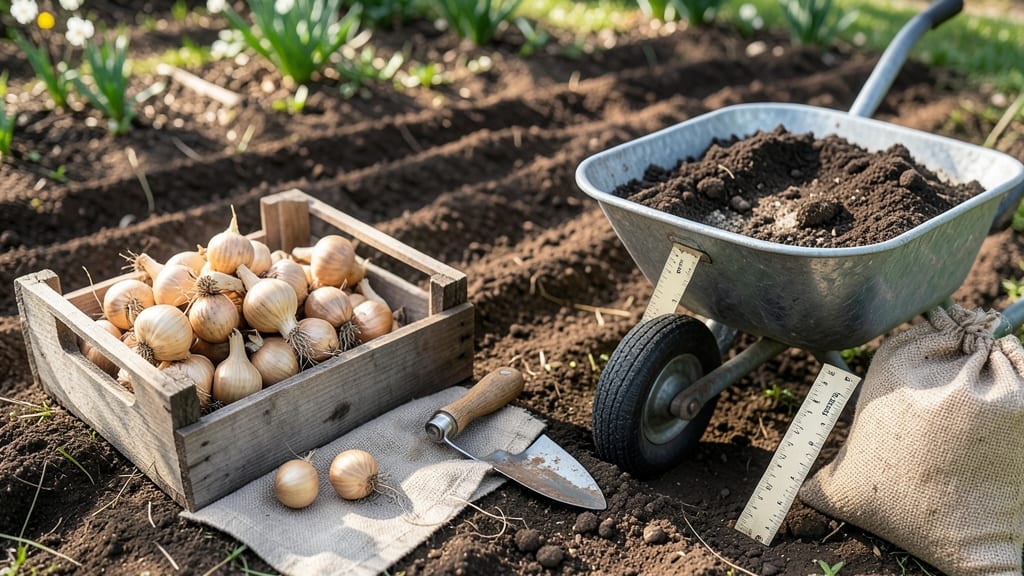
If you're dreaming of vibrant 🌼 daffodils bursting through Maryland's spring soil, when to plant daffodils in Maryland is your secret weapon.
Planting them at the wrong time means frost-nipped blooms or wasted effort, but get it right, and you'll enjoy cheerful yellow and white flowers that brighten gardens from March through May.
Maryland's 7a-7b climate gives you a narrow but critical window—typically between October and November—when soil temperatures drop but frost hasn't yet settled. This 6-8 week period before freezing lets bulbs establish roots while avoiding the risks of late-season planting.
I've learned the hard way that rushing or waiting too long can mean the difference between a lush display and disappointment. Whether you're a first-time gardener or a seasoned pro, understanding Maryland's frost patterns and soil conditions is the key to planting daffodils that thrive year after year.
Let me walk you through exactly when to plant, how to prepare your soil, and the simple steps to ensure your daffodils become the first splash of color in your spring garden. Your perfect blooming season starts with this one decision.
Maryland’s ideal daffodil planting window by hardiness Zone
Maryland’s USDA Zones 6b–7b create a narrow but critical window for planting daffodil bulbs. Unlike spring planting, fall is your best bet—6–8 weeks before the ground freezes—typically between mid-October and mid-November. This timing ensures bulbs establish roots before winter, so they burst into bloom next spring.
For Zone 6b (northern Maryland), aim for planting by November 15 to avoid frost damage to tender roots. In Zone 7b (southern Maryland), you’ve got a slightly longer window—plant through early December—thanks to later first frosts.
Always check your local first frost date (usually around November 15 in Maryland) to adjust timing.
Soil temperature is your secret weapon. Daffodils thrive when soil cools to 40–50°F. Use a soil thermometer to confirm—planting too early in warm soil can trigger premature sprouting, leaving bulbs vulnerable to frost. Maryland’s October temperatures often hit this sweet spot, making it the ideal month for most gardeners.
Here’s a quick rule of thumb: Plant daffodils after your lawn stops growing for the season. This usually aligns with late September to early October, giving bulbs time to root before winter sets in.
In clay-heavy Maryland soil, add compost or sand to improve drainage—bulbs rot in soggy conditions.
| Zone | Ideal Planting Window | Soil Temp Threshold | Key Consideration |
|---|---|---|---|
| 6b (Northern MD) | Mid-October – November 15 | 40–50°F | First frost risk after Nov 15 |
| 7a (Central MD) | Late September – November 1 | 45–55°F | Longer growing season |
| 7b (Southern MD) | October – Early December | 50–60°F | Later first frost (Nov 20+) |
🌱 Pro Tip: Use mulch (2–3 inches) after planting to insulate bulbs and regulate soil temperature.
If you miss the fall window, spring planting is possible but riskier. Plant daffodils in early March—just as soil thaws—but expect fewer blooms the first year.
Bulbs need time to establish roots, and spring-planted daffodils often struggle with Maryland’s late frosts (which can linger into April in some areas).
For container gardening, follow the same timing rules but use well-draining potting mix. Place pots in a protected location (like a garage or under eaves) if frost threatens. Daffodils in containers are more vulnerable to temperature swings, so monitor weather forecasts closely.
Don’t let bulb size fool you. Larger bulbs (like 12–16 oz) may seem like a shortcut, but they don’t compensate for poor timing. Focus on planting depth—6–8 inches deep for most varieties—and spacing (4–6 inches apart) to prevent overcrowding.
In Maryland’s humid climate, proper spacing reduces fungal diseases like basal rot.
Finally, avoid planting daffodils in low-lying areas where cold air pools. Hilltops or raised beds warm up faster in spring, giving your daffodils a head start. Pair your bulbs with early-blooming companions like crocuses or snowdrops to extend your spring color show.
With the right timing, your Maryland garden will reward you with bold, frost-resistant daffodils that return year after year. Happy planting! 🌼
Signs your Maryland soil is ready for daffodil bulbs
Before you dig in, check these 3 key signs your Maryland soil is ready for daffodil bulbs. Cold soil temperatures (40–50°F) and proper moisture are non-negotiable—planting too soon in warm soil can trigger early sprouting, leaving bulbs vulnerable to frost.
Use a soil thermometer or the back-of-the-hand test: if the soil feels cool but workable, it’s ready.
Next, test soil moisture by squeezing a handful. It should hold together but not be soggy—Maryland’s clay-heavy soil drains poorly, so amending with compost or sand is often necessary.
Aim for soil that’s moist but not waterlogged; bulbs rot in soggy conditions. If your soil is bone-dry, water deeply 24 hours before planting to help roots establish.
Here’s my quick