
Plants
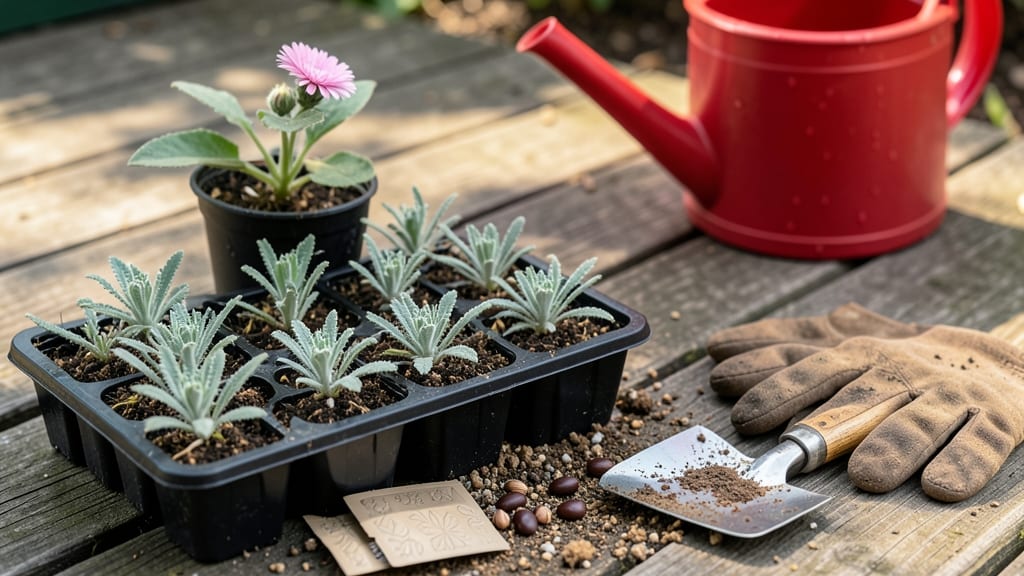
Timing your Dianthus seed planting in Australia can mean the difference between vibrant blooms and wasted effort. Whether you're in spring or autumn, getting it wrong risks frost damage or stunted growth—especially when dealing with Australia’s varied climate zones.
I’ve grown 🌸 Dianthus across different regions, and the key is understanding your local frost-free window. In temperate zones like New South Wales, aim for August–October (spring), while subtropical Queensland thrives with February–March (early autumn) starts.
The trick? Avoid planting when soil temperatures dip below 10°C—that’s when seeds struggle to germinate.
But here’s what most gardeners miss: regional microclimates matter. Coastal areas stay milder longer, while inland spots can freeze unexpectedly. I’ll break down exactly how to adjust timing based on your location—so you can skip the guesswork and get those seeds in the ground at the perfect moment.
Ready to transform your garden into a Dianthus paradise? Let’s dive into the science-backed planting schedule that’ll have your flowers blooming like clockwork—no frost, no stress, just stunning results.
Optimal planting seasons for Dianthus in Australia: spring vs. autumn climate zones
Australia’s diverse climate means dianthus seeds thrive in different seasons depending on your region. In temperate zones like Victoria or Tasmania, spring (August–October) is ideal when soil warms to 15–20°C.
Meanwhile, subtropical areas such as Queensland prefer early autumn (February–March) to avoid summer heat stress. The key? Plant when frost risk disappears and daytime temperatures stabilize.
For Mediterranean climates (e.g., Perth or Adelaide), autumn planting aligns with cooler, wetter conditions, reducing drought stress. Coastal regions like Sydney benefit from spring sowing to capitalize on mild winters.
Always check your local last frost date—southern Australia’s frost typically ends in September, while northern areas remain frost-free year-round.
Dianthus seeds germinate best in consistent moisture and warm soil. In high-altitude areas (e.g., Canberra), wait until late spring (October) to avoid cold snaps. Use a seedling heat mat if sowing early in cooler zones. Remember: overheating soil (above 25°C) can kill seeds, so shade cloth helps in summer.
🌱
| Region | Best Planting Season | Soil Temp for Germination | Frost Risk |
|---|---|---|---|
| Temperate (Victoria, Tasmania) | Spring (Aug–Oct) | 15–20°C | High (until Sept) |
| Subtropical (QLD, NT) | Early Autumn (Feb–Mar) | 20–25°C | Low (year-round) |
| Mediterranean (WA, SA) | Autumn (Mar–Apr) | 18–22°C | Moderate (May–July) |
| Coastal (NSW, VIC) | Spring (Sep–Oct) | 16–20°C | Low (coastal microclimates) |
If you’re unsure about your local frost dates, use the Bureau of Meteorology’s frost risk maps or ask at your nearest nursery. For container growing, start seeds indoors 6–8 weeks before your ideal outdoor planting date.
This gives seedlings a head start in cooler climates where outdoor conditions may still be chilly.
In northern Australia, where frost is rare, you can sow year-round but prioritize autumn and spring to align with natural rainfall patterns. Always choose a sunny, sheltered spot to protect young plants from harsh winds, which can desiccate tender seedlings.
For extended blooming, stagger plantings every 2–3 weeks. This ensures a continuous display from late spring through autumn. In high-rainfall areas, raise beds or use containers to prevent waterlogging, which can rot seeds before germination.
🌿
Pro tip: Test soil moisture before planting. Stick your finger 2–3 inches deep—if it’s dry, your seeds need watering. If it’s soggy, wait for drier conditions. Dianthus hates wet feet, so well-draining soil is non-negotiable. Mix in perlite or coarse sand if your native soil is heavy clay.
Finally, mark your calendar for late autumn (April–May) in southern regions—this is when second-flush planting can yield a winter-to-spring bloom. Just ensure your chosen variety is cold-hardy (e.g., Dianthus barbatus or Dianthus chinensis perform well in cooler months).
☀️
Optimal planting seasons for Dianthus in Australia: spring vs. autumn climate zones
Australia’s diverse climate zones create a complex puzzle for planting Dianthus seeds. In temperate regions like Victoria and Tasmania, spring (August–October) is ideal—soil warms steadily, and frost risk drops after September. Meanwhile, subtropical Queensland thrives with February–March (early autumn) sowing, avoiding summer’s scorching heat.
Here’s the catch: coastal areas like Sydney and Perth enjoy milder winters, extending the frost-free window by 4–6 weeks compared to inland zones. For example, Canberra gardeners must wait until late September to avoid late frosts, while Brisbane can start as early as January.
Soil temperature is your secret weapon. Dianthus seeds need 10–15°C to germinate—use a soil thermometer to confirm readiness. In Mediterranean climates (e.g., Adelaide), aim for March–April to align with autumn rains, while northern Darwin gardeners can sow year-round but peak in May–July during the wet season.
Pro tip: Use row covers in early spring to shield seedlings from unexpected 5°C drops. I’ve seen Dianthus seeds germinate in 10–14 days under ideal conditions—but patience is key in cooler zones. Start seeds indoors 6–8 weeks before your target outdoor date for a head start.
For container gardening, timing shifts slightly: potted Dianthus can handle earlier spring sowing (e.g., July in Sydney) since pots warm faster than ground soil. Just ensure pots have drainage holes to prevent waterlogging—my 🌸 pink varieties wilt dramatically if roots sit in soggy soil.
Remember: Dianthus blooms best with 6+ hours of sun, so position your seedbeds in the sunniest spot possible. In shady microclimates (e.g., under trees), extend the growing season by 2–3 weeks to compensate for slower growth.