
Plants
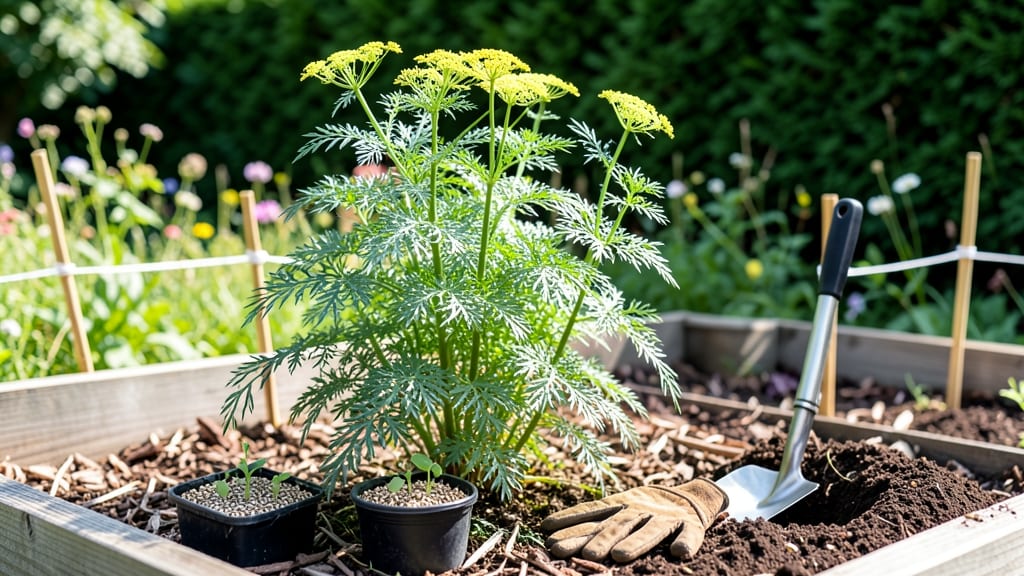
Timing your dill planting in Texas can feel like playing a high-stakes game of chance—get it wrong, and you’ll either watch your plants bolt into seed before you harvest a single leaf or struggle through stunted growth under the relentless sun.
But here’s the good news: Texas gardeners can actually work with the heat instead of against it, using the right strategies to grow lush, flavorful dill all season long.
With Texas’ 8a-10b climate zones, the key isn’t just about avoiding frost—it’s about mastering the balance between cool starts and sweltering summers. Whether you’re in North Texas or down in the Rio Grande Valley, planting dill at the wrong time can turn your herb garden into a frustrating experiment.
I’ll show you exactly when to sow those seeds for zero bolt risk and how to stretch your harvest from spring through fall.
Let’s cut through the guesswork. You’ll discover the ideal planting windows for your specific Texas heat zone, plus pro tips to keep your dill thriving—even when the thermometer hits 100°F. No more wasted seeds or bitter-tasting herbs; just a steady supply of fresh dill for your favorite dishes.
Ready to transform your garden into a dill powerhouse? By the end of this guide, you’ll know exactly when to plant, how to protect your crop from Texas’ extremes, and even how to harvest like a pro for the freshest flavor. Let’s get growing!
Texas heat zones for dill planting: avoid the bolt risk
Texas’ 11 distinct heat zones create wildly different planting conditions for dill.
In North Texas (Zones 7b-8a), like Dallas or Fort Worth, the last frost typically hits around February 15, while South Texas (Zones 9a-10b), such as Houston or San Antonio, can plant dill as early as January 1.
These differences mean your dill’s fate hinges on knowing your zone and adjusting timing accordingly.
Dill is a cool-season crop that bolts (prematurely flowers) when stressed by heat or drought. In Texas, this means planting too early in Zone 10b (like the Rio Grande Valley) can trigger bolting by March, while Zone 7b (Panhandle) may still face frost until March 15.
The key is planting when soil temps hit 50°F (10°C)—consistently—and staying ahead of summer’s relentless sun.
Urban gardeners in heat islands (e.g., Austin, San Antonio) face extra challenges. Pavement and buildings trap heat, making soil 5-10°F warmer than rural areas. Test your soil with a thermometer—if it’s above 75°F (24°C), wait.
Rural areas can plant earlier, but urban gardens may need to delay by 2-3 weeks to avoid bolting.
🌱 Did You Know? Dill’s ideal soil temperature for germination is 60-70°F (15-21°C). Below 50°F (10°C), seeds rot; above 80°F (27°C), they bolt. Texas’ spring soil warming varies by 10°F per week—plan accordingly!
For fall plantings, aim for August-September in most of Texas. By then, soil temps drop below 85°F (30°C), reducing bolt risk. In Zone 10b, fall is your only viable window—spring heat arrives too fast.
Use shade cloth (30-50%) if planting in late summer to protect seedlings from intense afternoon sun.
Microclimates matter! A north-facing garden bed in Zone 9a may stay cool enough for dill in March, while a south-facing bed could bolt by April. Observe your space: if nearby plants
Step-by-step dill planting calendar for Texas gardens
Texas’ long growing season and heat zones let you grow dill twice a year—spring and fall—but timing is critical. Miss the window, and you’ll either deal with frost damage or heat bolting. Here’s my foolproof month-by-month calendar to ensure continuous harvests without stress.
Start with direct sowing in well-drained soil—dill hates transplanting. Use 1/4-inch deep seed spacing, and keep rows 12-18 inches apart. This gives plants room to grow 3-5 feet tall without competing for nutrients.
For spring plantings, aim for late February to early March in North Texas (Zones 8a-8b). In South Texas (Zones 9a-10b), you can start as early as January, but protect seedlings with row covers if nights dip below 40°F.
The key? Soil temps should be at least 50°F.
🌱Pro Tip: Use a seedling heat mat if planting in January—it speeds germination and prevents chilling injury. I’ve seen 3x faster sprouting with this trick!
📅 Texas Dill Planting Timeline
- 🌱 January-February (South Texas): Start seeds indoors or use row covers for outdoor sowing. Soil temp: 50°F+
- 🌿 March (North/South Texas): Direct sow outdoors after last frost. Spacing: 12-18" apart
- ☀️ April-June: Harvest leaves when 4-6" tall. Avoid overwatering—dill rots in soggy soil.
- 🌅 August-September (Fall Planting): Sow seeds for fall harvests. Use shade cloth (30-50%) if temps exceed 90°F.
- 🍂 October-December: Protect from early frosts with mulch or row covers. Harvest seeds by November.
For fall plantings, sow seeds in early August to beat the peak summer heat. By September, temps drop enough for dill to thrive. If you’re in Zone 10b, you can even plant in September for a winter harvest—just cover plants when temps dip below 50°F.
Stagger plantings every 2-3 weeks in spring and fall for continuous harvests. For example, sow a batch in March, another in April, and a final one in August. This ensures fresh dill from April through December—no gaps!
🌿Companion Planting Hack: Pair dill with cabbage, cucumbers, or tomatoes to deter pests like aphids. Avoid planting near carrots—dill’s scent can stunt their growth.