
Plants
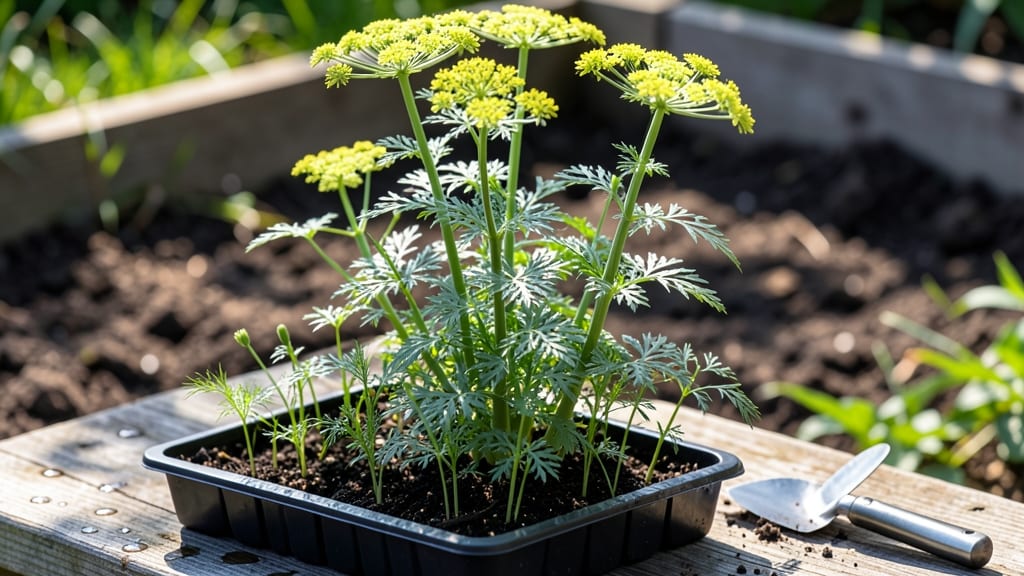
Knowing when to plant dill in Zone 9 can mean the difference between a thriving herb garden and a sad, bolting disappointment.
Zone 9’s relentless heat and long growing season demand timing that’s almost counterintuitive—plant too early, and you’ll fry your seedlings; too late, and you miss the sweet spot for flavorful harvests.
I’ve grown dill in Southern California for years, and the key is planting in late winter or early spring when temperatures are mild but not scorching. This easy strategy gives your 🌿 dill a fighting chance to establish strong roots before summer’s intensity kicks in.
The right window also sets you up for a fall harvest, when many gardeners in hot climates give up entirely.
But here’s the twist: Zone 9 gardeners have another trick up their sleeves—late summer planting can work too, if you play it smart. The secret lies in soil prep, shade strategies, and choosing the right varieties that won’t bolt before you’ve had your chance to harvest those feathery leaves.
Let’s break down the exact planting windows, heat-resistant varieties, and soil prep tips that will have your dill thriving when most gardeners are already packing up for the year. Your kitchen (and your salads) will thank you.
Optimal planting times for dill in Zone 9: avoiding heat stress
Dill in Zone 9 is tricky because it prefers cooler temperatures (60-75°F), but our climate often hits 90°F+ by late spring. Planting at the wrong time causes bolting (premature flowering) or stunted growth.
The key is timing—aim for fall or winter when temps are milder, or early spring before heat ramps up.
Unlike cooler zones, Zone 9 rarely experiences frost, so traditional "after last frost" advice doesn’t apply. Instead, focus on heat avoidance. Dill seeds struggle to germinate in soil above 85°F, and established plants bolt when days exceed 80°F consistently.
My strategy? Plant when average highs stay below 80°F.
For spring planting, start seeds indoors 8-10 weeks before your target outdoor date (late February to early March). Transplant seedlings outdoors in March when soil temps drop below 80°F.
If you miss this window, fall planting (August-September) is your next best bet—dill thrives in cooler fall weather and may even over-winter in mild Zone 9 microclimates.
Zone 9’s microclimates complicate timing. Coastal areas (like San Diego) stay cooler longer, while inland deserts (Arizona) heat up faster. Check your local weather averages: if your area’s April highs hit 85°F+, delay planting until September for a fall crop. Use a shade cloth (30-50%) to protect seedlings if planting in late spring.
Direct-sowing dill seeds outdoors in Zone 9 works best in winter (December-February) when nights are cool. Seeds may take 10-20 days to germinate in these conditions.
If you’re impatient, start seeds indoors under grow lights in late winter for an early spring transplant. Just avoid mid-summer planting—it’s a guaranteed fail.
| Planting Window | Ideal Months | Temperature Range | Key Notes |
|---|---|---|---|
| Early Spring | February-March | 55-75°F | Start indoors; transplant before heat peaks |
| Late Summer | August-September | 70-85°F | Best for fall harvest; avoid bolting |
| Winter | December-February | 45-65°F | Slow growth; ideal for overwintering |
| ⚠️ Avoid: Mid-summer (June-July) planting due to extreme heat | |||
If you’re growing dill for seeds (not just leaves), let plants bolt in fall—they’ll produce umbrella-shaped flowers that turn into seeds. However, in Zone 9’s heat, seed production is often poor.
For reliable seeds, grow dill in cooler microclimates (like shaded areas or high-altitude gardens) or source seeds from heat-tolerant varieties.
Pro tip: Use a soil thermometer to check temps before planting. Dill seeds need soil temps below 80°F to germinate. If your soil is too hot, water deeply the day before sowing to cool it down. Pair this with morning watering to keep roots cool during spring/summer.
Finally, succession planting works well in Zone 9. Sow a new batch every 2-3 weeks in fall to extend your harvest. This staggered approach ensures you always have fresh dill leaves without waiting for a full season. Just remember: no mid-summer sowings—that’s a one-way ticket to bolting city.
With the right timing, you’ll enjoy lush, flavorful dill all season long—no bolting, no stress, just homegrown goodness straight from your garden. 🌿
Heat-resistant dill varieties that perform best in Zone 9
Not all dill varieties handle Zone 9’s heat equally. Some bolt quickly, while others stay lush and productive. If you’ve struggled with premature flowering or weak growth, the right variety makes all the difference.
My top picks for heat-resistant dill in Zone 9 are 'Bouquet', 'Fernleaf', and 'Mammoth Long Island'—each excels in different ways for our climate.
'Bouquet' is my go-to because it’s bolting-resistant and produces dense, flavorful leaves even in warm weather. It matures faster than standard varieties, giving you harvests in just 50-60 days. Plus, its compact growth (2-3 feet tall) makes it perfect for container gardening or small spaces. I’ve grown it successfully in Phoenix by planting in late summer and providing afternoon shade.
'Fernleaf' stands out for its fine, lacy foliage and strong anise flavor, which holds up better in heat than other types. This variety is slow to bolt, making it ideal for extended harvests. It also tolerates drier conditions once established, which is a lifesaver in desert climates. For best results, plant it in well-draining soil and water deeply every 4-5 days during peak summer.
'Mammoth Long Island' is the heavyweight champion for seed production in Zone 9. While it bolts faster than the others, its tall, sturdy stems (up to 5 feet) make it great for drying seeds or attracting pollinators. If you’re growing dill for pickling or cooking, this variety delivers bold flavor and abundant seeds. To prevent bolting, plant it in partial shade during late spring or use a 30% shade cloth.
| Variety | Heat Tolerance | Bolting Resistance | Best For | Harvest Time |
|---|---|---|---|---|
| Bouquet | High | Very Resistant | Fresh leaves, containers | 50-60 days |
| Fernleaf | Moderate-High | Slow to Bolt | Drying, cooking | 60-70 days |
| Mammoth Long Island | Moderate | Bolts Fast | Seeds, tall stems | 70-80 days |
| 💡 Pro Tip: Mix varieties for continuous harvests—plant 'Bouquet' in spring and 'Fernleaf' in fall. | ||||
Avoid 'Common Dill' (the standard grocery-store type) in Zone 9 unless you’re planting in winter. It bolts quickly in heat and has weaker flavor. Instead, opt for heirloom or hybrid varieties bred for heat tolerance.
I’ve had the most success with 'Bouquet' in containers on my patio—it stays cooler and produces leaves all summer if I keep it shaded after 12 PM.
For seed-saving, let 'Mammoth Long Island' bolt in fall—its seeds ripen well before winter sets in. Store dried seeds in a cool, dark place for next year’s planting. If you’re growing dill for culinary use, 'Fernleaf' is my favorite for its intense aroma and delicate texture.
Just be sure to harvest leaves before flowering to preserve flavor.
One final trick: succession plant your heat-resistant varieties. Sow 'Bouquet' every 3 weeks in spring and 'Fernleaf' every 4 weeks in fall to ensure a steady supply of fresh dill.
With the right varieties and timing, you’ll never run out of this versatile herb—even in Zone 9’s brutal heat. 🌿