
Trees
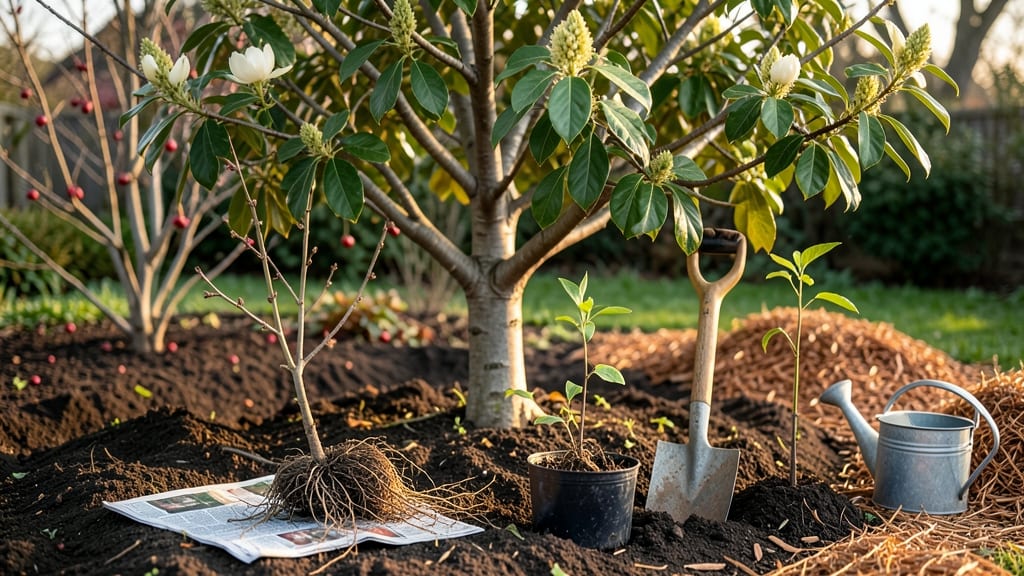
Planting a dogwood tree 🌳 in Georgia isn’t just about picking a spot—it’s about syncing your timing with nature’s calendar. Too early, and frost can stunt its growth; too late, and you might miss the perfect window for strong roots before summer heat sets in.
Georgia’s climate creates unique challenges, from the cooler North to the milder South. The key to success lies in understanding chill-hour requirements and regional microclimates. Whether you’re in Zone 7a or 8b, planting at the right time ensures your dogwood thrives and blooms reliably each spring.
I’ll walk you through the best months for planting, how to prepare your soil, and which dogwood varieties perform best in your specific area. By the end, you’ll know exactly when to plant for vibrant blooms and minimal stress on your new tree.
Ready to transform your yard with a stunning dogwood? Let’s get started with the timing that makes all the difference.
Georgia’s chill-hour zones: how they determine dogwood planting success
Georgia’s three distinct chill-hour zones (400-600, 600-800, 800+) are the secret to choosing the right dogwood variety for your yard. These zones measure how many hours below 45°F your region experiences annually, and dogwoods need specific chill hours to bloom reliably.
Planting at the wrong time—or with the wrong variety—can leave you with no spring flowers at all.
In North Georgia (Zone 7a), where winters are colder, dogwoods like Flora and Cherokee thrive with 600-800 chill hours. Meanwhile, South Georgia (Zone 8b+) has milder winters, so varieties like Purple Dogwood (with 400-600 chill hours) perform best.
Central Georgia (Zone 7b-8a) bridges these extremes, accommodating most varieties if planted correctly.
Here’s the critical rule: Plant dogwoods in late fall or early spring to align with their natural dormancy cycle. Fall planting (October-November) gives roots time to establish before winter, while spring planting (March) avoids transplant shock during summer heat.
Your chill-hour zone dictates which window works best for your specific dogwood variety.
For example, a Flora Dogwood in Zone 7a planted in October will have time to root before winter’s chill hours kick in. But the same tree planted in Zone 8b in December might not get enough cold exposure to bloom.
The key? Match the variety to the zone and plant when the soil is cool but not frozen.
| Zone | Chill Hours | Best Varieties | Planting Window | Bloom Guarantee |
|---|---|---|---|---|
| North GA (7a) | 600-800 | Flora, Cherokee | October-November | Reliable blooms |
| Central GA (7b-8a) | 400-800 | Flora, White Flowering | November-December | Consistent blooms |
| South GA (8b+) | 400-600 | Purple, Natchez | December-January | Mild winter blooms |
If you’re unsure about your chill hours, check the USDA Plant Hardiness Zone Map for Georgia and cross-reference with your local Cooperative Extension Service. They offer free soil tests and chill-hour data tailored to your county.
For example, Athens (Zone 7b) has 700 chill hours, while Savannah (Zone 8a) has only 500. This difference means a Flora Dogwood might bloom poorly in Savannah but thrive in Athens.
Pro tip: Bare-root dogwoods are easier to plant in fall because their roots aren’t bound by containers. Dig a hole twice as wide as the root ball and amend the soil with compost for better drainage.
Mulch around the base to retain moisture and protect roots from temperature swings. This prep work ensures your dogwood gets off to a strong start, regardless of your chill-hour zone.
Remember, dogwoods planted in fall often outperform spring-planted trees because they establish roots before the first frost. But if you miss the fall window, early spring (March) is your next best option—just be prepared to water deeply to offset summer heat stress.
The goal? Give your dogwood the right chill hours in the right season for vibrant, reliable blooms every spring.
One common mistake I see is planting high-chill varieties in low-chill zones. For example, a Cherokee Dogwood (800+ chill hours) in Savannah (Zone 8a) may never bloom because it doesn’t get enough cold.
Always check the variety’s chill-hour requirements before buying, and ask your local nursery for Georgia-adapted dogwoods. They’ll save you time—and money—by recommending the right match for your yard.
For container-grown dogwoods, the rules are slightly different. These trees can be planted year-round in Georgia, but avoid extreme heat (June-August) or cold (January-February). If you’re planting in spring or summer, water every 3-5 days for the first month to reduce transplant shock.
In fall, reduce watering slightly as temperatures drop, but keep the soil consistently moist until the ground freezes.
Finally, don’t overlook microclimates in your yard. A spot near a south-facing wall might be 2-3°F warmer than the rest of your garden, affecting chill hours. If you’re planting near a
Best dogwood varieties for Georgia’s fall planting schedule by region
Choosing the right dogwood variety for your Georgia region ensures stunning spring blooms every year. Not all dogwoods thrive equally—Northern Georgia’s chillier winters (Zone 7a) demand hardier types like Flora dogwood, while Southern Georgia’s milder climate (Zone 8b+) can handle Cherokee dogwood or Purple dogwood with ease.
Let’s match your location to the perfect cultivar for fall planting success.
For North Georgia gardeners (Zone 7a), the Flora dogwood is a top pick—it blooms reliably even after harsh winters. In Central Georgia (Zones 7b-8a), Cherokee dogwood and White Flowering dogwood shine, offering bold foliage and fragrant flowers.
Meanwhile, South Georgia’s warmer winters (Zone 8b+) make Purple dogwood an excellent choice for vibrant fall color and late-season blooms.
Here’s how each variety stacks up for fall planting across Georgia’s regions, including bloom guarantees and care tips:
Dogwood Varieties for Georgia
When selecting your dogwood, prioritize local nurseries that offer Georgia-native cultivars. For example, Flora dogwood from a North Georgia nursery will adapt better than one sourced from Florida. Always check the chill-hour requirements on the tag—600-800 hours is ideal for most Georgia varieties.
Pro tip: If you’re planting in containers, opt for dwarf varieties like Pagoda dogwood, which thrive in Zone 7b+ and can be transplanted year-round. Just ensure your container has drainage holes and use a well-draining potting mix to prevent root rot.
With the right variety and timing, your dogwood will reward you with show-stopping spring blooms for decades. Happy planting! 🌳