
Plants
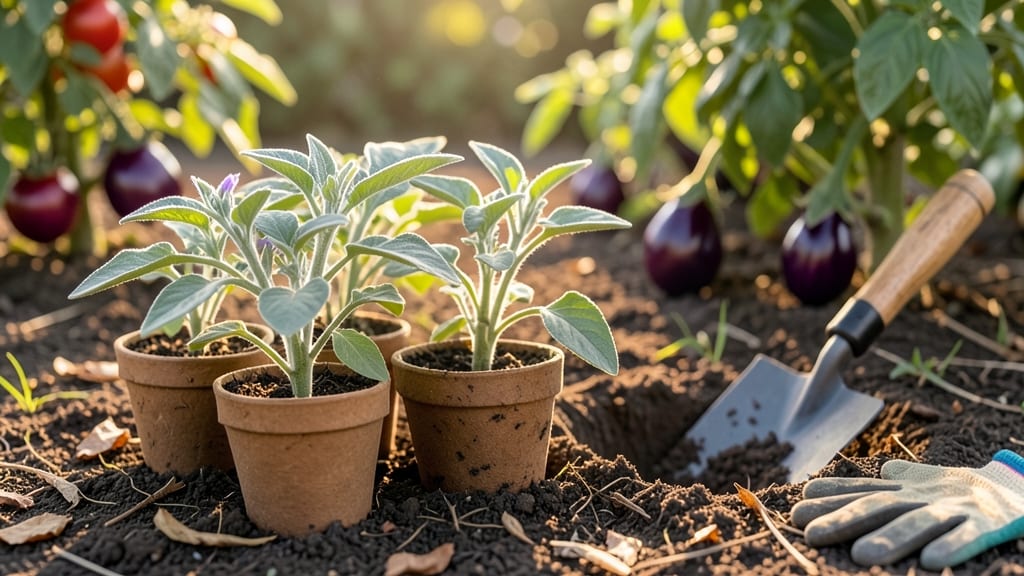
Timing your 🍆 eggplant planting in Georgia can mean the difference between a bumper crop and a total flop.
The 7b-8b climate gives you a narrow window to work with—plant too early, and frost will nip your seedlings in the bud; too late, and the summer heat will stress your plants before they bear fruit.
Most gardeners in Georgia know the general rule: wait until after the last frost date, which typically falls around April 15. But what you might not realize is that soil temperature plays an even bigger role than air temperature.
Eggplants thrive when the ground reaches at least 70°F, which usually happens between late April and early June in most counties.
Whether you're starting seeds indoors or transplanting young plants, getting this timing right is the key to avoiding common mistakes like stunted growth or poor fruit set.
I'll walk you through the exact county-specific dates you need to know, plus pro tips for preparing your soil and choosing the right varieties for Georgia's heat.
Ready to grow juicy, high-yield eggplants that'll make your neighbors jealous? Let's dive into the perfect planting schedule tailored just for Georgia's unique growing conditions.
Georgia eggplant planting dates by county: avoid frost and heat stress
Georgia’s diverse climate means eggplant planting dates vary dramatically between North Georgia’s cooler hills and South Georgia’s humid lowlands. For USDA zones 7b-8b, timing is critical—plant too early and frost zaps tender seedlings, while late planting risks heat stress before harvest.
Let’s break down the county-specific windows to ensure your eggplants thrive.
North Georgia counties like Fannin, Gilmer, and Dawson (zones 7a-7b) face later last-frost dates—often April 15-30—while South Georgia’s Bryan, Tattnall, and Evans counties (zones 8a-8b) can transplant as early as March 15. The key? Soil temperature must hit 60°F+ before planting, not just air temperature.
🌱 Pro Tip: Use a soil thermometer to confirm readiness—eggplants wilt in cool soil, even if daytime temps are warm.
| Region | Last Frost Date | Ideal Transplant Window | Heat Warning Threshold |
|---|---|---|---|
| North GA (Zones 7a-7b) | April 15-30 | May 1-15 (soil 60°F+) | 90°F+ (blossom drop risk) |
| Central GA (Zones 7b-8a) | March 20-April 10 | April 15-May 1 | 88°F+ (stress risk) |
| South GA (Zones 8a-8b) | March 1-15 | March 15-April 15 | 92°F+ (fruit scorch) |
📍 Check your county’s USDA zone via USDA Plant Hardiness Map for precise timing.
For North Georgia gardeners, aim to transplant eggplant seedlings by May 1 to avoid late-spring frosts.
In South Georgia, you can push it to April 15, but watch for heat stress—temperatures above 90°F cause blossom drop and poor fruit set. Heat-tolerant varieties like ‘Black Beauty’ or ‘Ichiban’ handle Georgia’s summers better than standard types.
🌡️ Heat Hack: Provide afternoon shade (using row covers) during peak summer months to protect young plants.
If you’re direct-sowing (not recommended for Georgia’s short season), wait until May 15 in North Georgia or April 30 in South Georgia. Seedlings need warmth to germinate—cool soils below 65°F delay sprouting by 2+ weeks.
For a fall crop, transplant August 15-September 15 (South GA) or September 1-15 (North GA) to harvest before frost.
🌱 Local Resource: Georgia’s University Extension offices provide free frost date alerts—sign up via UGA Extension for text updates.
Remember: Eggplants hate cold soil. Even if daytime temps are warm, nighttime dips below 50°F stunt growth. Use black plastic mulch to warm soil 5-10°F faster than bare earth. For container growing, plant in 5-gallon pots and move them to protected patios if nighttime temps drop.
✂️ Transplanting Tip: Harden off seedlings for 7-10 days before moving them outside to prevent transplant shock.
How to time eggplant planting for maximum yield in Georgia’s climate
Timing your eggplant planting isn’t just about avoiding frost—it’s about matching Georgia’s humid heat with your plants’ needs. Eggplants love warmth but wilt when stressed, so soil temperature is your best guide.
Aim for 60°F+ at least 6 inches deep before transplanting, which typically happens between mid-April and early June across most of the state.
Start seeds indoors 8-10 weeks before your last frost date if you’re in North Georgia (like Atlanta or Dahlonega), where cooler springs delay soil warming. For South Georgia (Savannah or Valdosta), you can often direct-sow after April 15 once nighttime temps stay above 55°F.
My rule of thumb? Wait until you can stick your hand in the soil and feel consistent warmth.
Preparing your soil is just as critical as timing. Eggplants hate soggy roots, so amend your garden beds with compost or aged manure to improve drainage. A slightly acidic pH (6.0-6.8) encourages strong root growth, and adding a handful of wood ash can help if your soil leans too acidic.
I always test my soil in early spring—it’s the difference between thriving plants and struggling ones.
✅ Pro Tips for Georgia Eggplant Success
- 🌡️ Soil Temp Check: Use a soil thermometer—eggplants need 70°F+ to thrive.
- 🌱 Transplant Care: Harden off seedlings for 7-10 days before moving them outside.
- ☀️ Sun Exposure: Plant in full sun (6+ hours/day)—shady spots lead to leggy, weak plants.
- 💧 Watering Wisdom: Water at the base in the morning to avoid fungal diseases.
- 🌿 Companion Plants: Pair with basil or marigolds to repel pests and improve yield.
Georgia’s summer heat can cause blossom drop if your eggplants don’t get enough calcium. A light lime application (2-3 lbs per 100 sqft) before planting can prevent this issue.
I also recommend mulching with straw or pine needles to keep roots cool and retain moisture—critical during our 90°F+ afternoons. This simple step can double your harvest size!
For a second crop, try late summer planting in August if you’re in South Georgia. Choose heat-tolerant varieties like ‘Black Beauty’ or ‘Ichiban,’ which handle Georgia’s humidity better than standard types. Just be prepared to harvest quickly before the first frost—usually by mid-November in most areas.
Remember, eggplants are sensitive to temperature swings. If a cold front drops temps below 50°F, cover your plants with row fabric to protect them. With the right timing and care, you’ll enjoy glossy, firm eggplants from July through October—just in time for your favorite recipes!