Plants
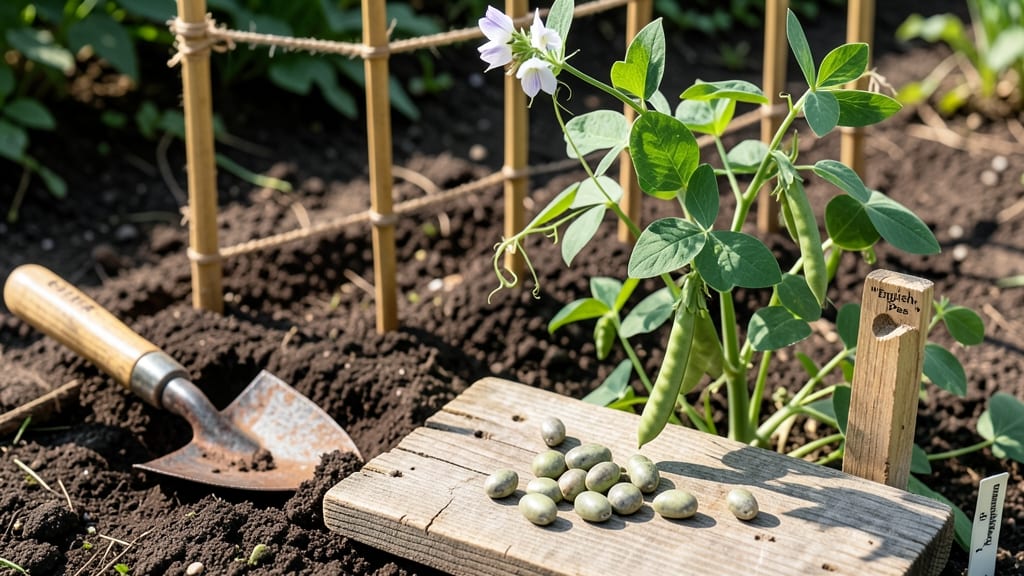
Timing your English Pea 🌱 planting in Zone 7 could make or break your harvest—get it wrong, and you’ll end up with sad, stunted plants instead of crisp, sweet pods.
The key is planting 4-6 weeks before your last frost date, typically between late February and early March, when soil temperatures are cool but consistent.
Why does this matter? English peas are cool-season crops that bolt (flower prematurely) when temperatures rise above 75°F. In Zone 7, that means missing the window by even a few weeks could turn your garden into a sad, wilted mess.
But here’s the good news: with the right timing and a few pro tips, you can enjoy fresh peas straight from your garden for weeks.
You might think spring is the only option, but fall planting works too—just aim for 8-10 weeks before your first frost, usually around August. This gives your peas enough time to mature before winter sets in.
Whether you’re a seasoned gardener or just starting, I’ll walk you through the exact weeks to plant, soil prep secrets, and how to avoid common mistakes that ruin harvests.
Ready to grow the best English peas in Zone 7? Let’s dive into the exact planting schedule, soil tricks, and even container gardening hacks that’ll have you harvesting like a pro by May or October. No more guesswork—just a foolproof plan for your garden.
Best planting windows for English peas in Zone 7 (with exact week counts)
In Zone 7, timing is everything when planting English peas—they crave cool soil and air but bolt in summer heat. The sweet spot? Sow seeds 4-6 weeks before your last frost date, typically between mid-February and early March for spring harvests.
For fall crops, aim for 8-10 weeks before first frost, usually late August to early September.
Zone 7’s average last frost date falls around March 15, but this varies by microclimate. Use your local frost data to calculate exact weeks. For example, if your last frost is April 1, plant peas by February 15 to ensure germination before soil warms too much.
Peas thrive when soil temps hover between 40°F and 70°F. Below 40°F, germination slows; above 75°F, they’ll bolt prematurely. Use a soil thermometer to confirm readiness—ideal temps are 50°F-60°F.
Pro Tip: Start seeds indoors 4-6 weeks before transplanting if your spring is unpredictable. Peas grow best when transplanted as young seedlings with 3-4 true leaves, reducing transplant shock.
| Planting Window | Weeks Before Frost | Soil Temp (°F) | Harvest Time |
|---|---|---|---|
| Early Spring | 4-6 weeks | 50°F-60°F | May-June |
| Late Summer | 8-10 weeks | 55°F-65°F | October-November |
| Succession Planting | Every 2 weeks | 45°F-55°F | Extended harvest |
For succession planting, sow new seeds every 2 weeks after the initial planting to stretch your harvest. This works best in spring when soil stays cool longer. In fall, limit succession to one extra planting 3 weeks after the first, as summer heat can stress young plants.
Container gardening is viable in Zone 7! Use 5-gallon pots with trellises to support vines. Plant seeds 1 inch deep and keep soil moist. Containers warm up faster than ground soil, so monitor temps closely—consider shading pots if temps exceed 75°F.
Peas need 6+ hours of sunlight daily, but they tolerate partial shade in hot afternoons. In Zone 7’s summer, provide afternoon shade to prevent bolting. A trellis or cage isn’t just for looks—it improves air circulation, reducing fungal diseases like powdery mildew.
Always soak seeds overnight before planting to speed germination. Zone 7’s variable spring weather can delay sprouting, so this trick ensures faster emergence. Plant seeds 1-2 inches apart in rows 18 inches apart for optimal airflow and sunlight.
Best planting windows for English peas in Zone 7 (with exact week counts)
English peas (Pisum sativum) love cool weather, so timing your planting in Zone 7 is critical for success. The last average frost date for most of Zone 7 falls around March 15, but your exact window depends on microclimates.
For peak yields, aim to plant 4-6 weeks before that date—typically in late February to early March—when soil temps hit 40°F (4°C).
Fall planting is also viable in Zone 7, offering a second harvest. Start seeds 8-10 weeks before your first frost (usually mid-September for Zone 7’s November 15 average frost). This ensures peas mature before cold sets in. Just ensure soil stays above 50°F (10°C) for germination.
| Planting Window | Weeks Before Frost | Soil Temp (°F) | Harvest Time |
|---|---|---|---|
| Early Spring | 4-6 weeks | 40-50°F (4-10°C) | May-June |
| Late Summer/Fall | 8-10 weeks | 50-60°F (10-15°C) | October-November |
For spring planting, avoid sowing too early—cold, wet soil can cause rot or poor germination. Wait until soil is workable (not muddy) and air temps stay above 50°F (10°C) during the day.
In Zone 7’s warmer southern regions, you might push planting to early April without risking frost, but northern areas should stick to February-March.
If you’re growing dwarf varieties (like 'Little Marvel'), they tolerate slightly warmer soil (55°F/13°C), giving you a 2-week flexibility for later spring starts. Always test soil temps with a soil thermometer—peas need consistent coolth to thrive. Overheating soil (80°F/27°C+) stops germination entirely.
Pro tip: Use black plastic mulch in early spring to warm soil faster if your zone’s last frost runs late. This lets you plant 1-2 weeks earlier without risking frost damage. Just remove the mulch once peas emerge to prevent overheating.
For fall harvests, prioritize early-maturing varieties (e.g., 'Sugar Snap' or 'Oregon Sugar Pod'). These finish in 55-60 days, fitting neatly into Zone 7’s short fall season. Start seeds indoors 4 weeks before transplanting to jumpstart growth and extend your window.