
Plants
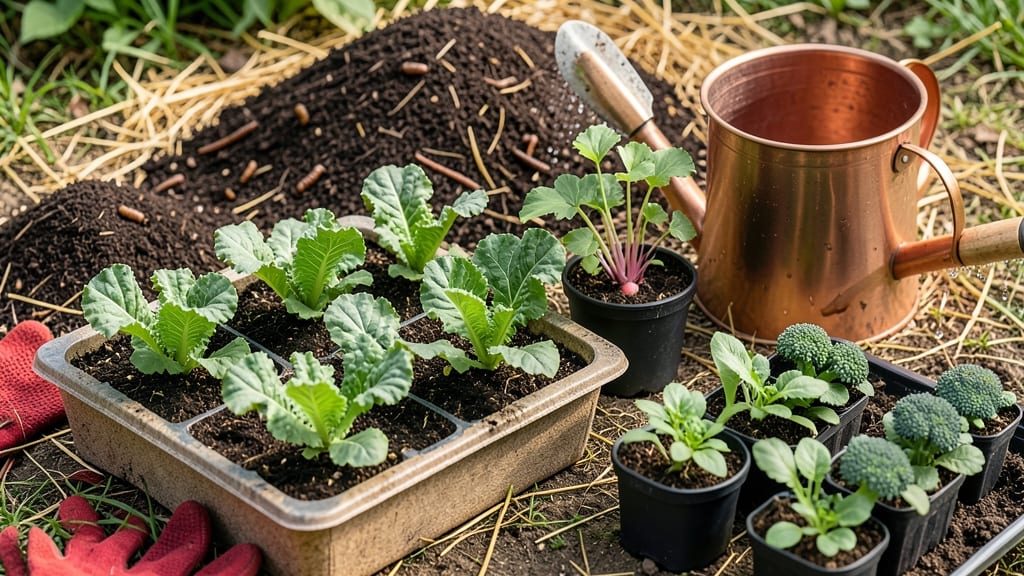
Timing when to plant fall crops in Ohio wrong could mean the difference between a bountiful harvest and wasted effort—and with Ohio’s unpredictable weather, getting it right takes strategy.
You’ve got summer’s lingering heat to contend with, followed by early frosts that sneak in faster than you’d expect, leaving many gardeners scratching their heads over when to plant.
Here’s the secret: heat-tolerant varieties and smart frost-date planning can stretch your growing season like never before. Whether you’re a seasoned gardener or just starting, knowing the ideal windows for crops like lettuce, kale, and carrots will help you avoid common pitfalls.
Let’s break down the exact steps to maximize your fall harvest without the guesswork.
Ohio’s diverse frost zones—from 5 in the north to 7 in the south—mean planting times vary by region, but the principles stay the same.
By focusing on crops that thrive in warm soil and understanding how to protect them from early cold snaps, you can turn Ohio’s fall into your most productive growing season yet.
Ready to ditch the trial-and-error? I’ll walk you through the key dates, the best heat-resistant crops, and even some hacks to delay frost—so you can enjoy fresh harvests well into winter. Let’s get started.
Ohio’s fall planting timeline: key dates by frost Zone & heat-tolerant crops
Ohio’s fall planting window starts as early as late July in southern regions (Zone 6) but waits until mid-August in northern areas (Zone 5). The key is planting heat-tolerant varieties that mature before the first frost—typically between October 15-30, depending on your location.
Miss this window, and you risk bolting (premature flowering) or frost damage.
To nail your timing, focus on Ohio’s three main frost zones: Northern (Zones 5-5b), Central (Zone 6a), and Southern (Zone 6b-7a). Each has slightly different average first-frost dates, which dictate when to sow seeds or transplant seedlings.
For example, Toledo (Zone 6a) might see frost by October 15, while Columbus (Zone 6a) could stretch until October 25.
Here’s the golden rule: Calculate backward from your first-frost date. If your crop needs 60 days to maturity, plant it 60 days before frost. For slow growers like Brussels sprouts (90 days), start in early August in Zone 5.
This method ensures your harvest arrives just as frost hits, not before.
| Frost Zone | Avg. First Frost | Best Planting Window | Heat-Tolerant Crops |
|---|---|---|---|
| Northern Ohio (Zone 5-5b) | October 15–20 | Late July–early August | Swiss chard, kale, bush beans |
| Central Ohio (Zone 6a) | October 20–25 | Mid-August–early September | Spinach, carrots, turnips |
| Southern Ohio (Zone 6b-7a) | October 25–November 5 | Late August–mid-September | Southern peas, malabar spinach |
📅 Pro Tip: Use a garden thermometer to monitor soil temps—ideal for fall crops is 50–75°F.
Ohio’s summer hangover (those 80°F+ days in September) can stress fall crops if you’re not strategic. That’s why heat-tolerant varieties like ‘Fordhook’ giant leaf lettuce or ‘Red Russian’ kale are game-changers.
These varieties handle short-term heat spikes while still maturing in 50–60 days, making them perfect for Ohio’s late-summer planting.
For cool-season crops like broccoli or cabbage, wait until mid-to-late August to avoid bolting (when heat triggers flowering). Instead, opt for successive plantings every 2 weeks to stagger harvests. This tactic ensures you’re always pulling fresh produce, even as temperatures dip.
Don’t overlook soil preparation—fall crops thrive in well-draining, nutrient-rich soil. Before planting, amend your beds with compost or aged manure to replenish nutrients lost during summer.
A soil test (available through Ohio State University Extension) can reveal if your soil needs lime (for acid-loving crops) or phosphorus (for root development).
Urban gardeners in Ohio cities like Cincinnati or Cleveland often face microclimates with earlier frosts due to the “urban heat island” effect. If you’re in a concrete-heavy area, plant 1–2 weeks earlier than rural guidelines suggest.
Conversely, southern Ohio’s river valleys (like near Chillicothe) may have 2–3 weeks later frosts, giving you extra time for slower growers.
One of my biggest mistakes was planting radishes in early August—they bolted by September! Now, I stick to heat-tolerant radish varieties like ‘Cherry Belle’ and plant them in late August for a crisp fall harvest.
The lesson? Read seed packets for “days to maturity” and heat tolerance ratings—they’re your best friends in Ohio’s unpredictable climate.
Extend your fall harvest by planting cold-hardy crops like spinach or arugula in early September. These greens can handle light frosts and even taste sweeter after a 20°F dip.
Just cover them with row fabric if a hard frost is forecasted. With the right timing and varieties, you can enjoy fresh homegrown greens well into November!
5 Heat-tolerant fall crops that outperform in Ohio’s summer hangover
Ohio’s late-summer heat can turn fall planting into a gamble, but these heat-tolerant crops thrive when others wilt. I’ve grown them myself in Zone 6-7, and they consistently deliver—even when temperatures hover in the 80s°F through September.
The key? Choosing varieties bred to handle heat while still maturing before frost.
Don’t overlook these top 5 performers. They’re not just resilient—they’re productive, flavorful, and perfect for Ohio’s short growing window. Let’s dive into the specifics so you can pick the best fits for your garden.
Southern peas (cowpeas) top the list. These legumes handle 90°F+ days with ease and fix nitrogen in the soil—a bonus for next year’s crops. Varieties like ‘Purple Hull’ mature in 80-90 days, giving you a harvest just as temperatures dip. Plus, their vines provide shade for other plants, reducing soil moisture loss.
Malabar spinach is another game-changer. Unlike delicate spinach, this tropical relative thrives in heat and even light frosts. It grows fast (60 days to harvest) and produces tender, vine-like leaves perfect for stir-fries or salads. I’ve seen it bolted back after 28°F and still recover—unlike traditional spinach.
Black-eyed peas are a Southern staple for a reason. They tolerate heat better than most beans and mature in 75-90 days. Plant them in late July or early August for a fall harvest, and don’t forget to trellis them to save space. Their deep roots also help break up compacted soil.
Swiss chard might seem like a cool-weather crop, but ‘Bright Lights’ variety handles heat surprisingly well. Its thick stems store water, helping it survive dry spells. Harvest outer leaves to encourage continuous growth, and it’ll keep producing until hard frost. Pair it with radishes for a heat-resistant duo.
Okra is the ultimate heat lover. It not only tolerates Ohio’s summer hangover but flourishes in it. Varieties like ‘Clemson Spineless’ mature in 50-60 days and produce pods until frost. Just be prepared for aggressive growth—okra can reach 6 feet tall and needs plenty of space.
- 🌿 Southern peas – 80-90 days, 90°F+ tolerance, fixes nitrogen
- 🌿 Malabar spinach – 60 days, frost-resistant, tropical flavor
- 🌿 Black-eyed peas – 75-90 days, drought-tolerant, trellis-friendly
- 🌿 Swiss chard – 50-60 days, water-storing stems, continuous harvest
- 🌿 Okra – 50-60 days, heat-loving, aggressive grower
For best results, direct-sow seeds rather than transplanting—these crops hate root disturbance. Amend your soil with compost before planting, and mulch heavily to retain moisture. I’ve found that straw mulch works best, as it breaks down slowly and adds organic matter.
Pro tip: Pair heat-tolerant crops with shade-loving companions like lettuce or cilantro. The taller plants will protect the cooler-weather crops from afternoon sun, creating a microclimate that extends your harvest window even further.