
Plants
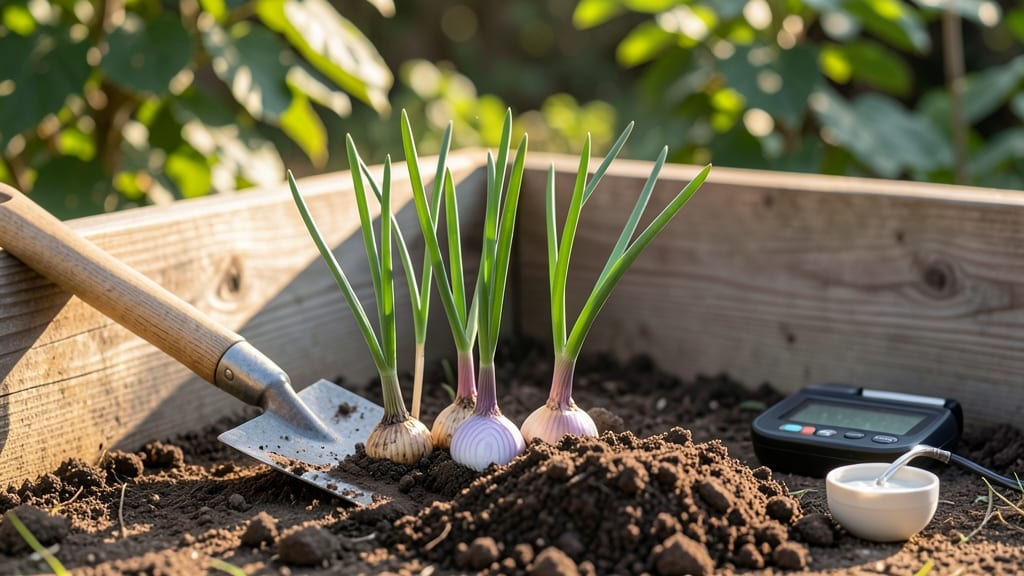
Timing when to plant fall onions in Zone 7 just right could mean the difference between a bumper harvest and a bitter disappointment. Too early, and you risk bolting before bulbs form; too late, and winter frost steals your crop before it matures.
Most gardeners in Zone 7 assume planting in early fall is foolproof, but the real secret lies in soil temperature—not just calendar dates. When soil hovers between 60-70°F, your onions will thrive without shooting up prematurely. I’ll show you exactly when to plant for that perfect window.
This isn’t just about throwing seeds in the dirt and hoping for the best. You’ll learn how to read your soil, adjust for late summers or early frosts, and even rescue a struggling crop. Let’s get those onions growing strong before winter sets in.
By the end, you’ll know the exact late summer to early fall window that works for Zone 7, plus pro tips to keep your onions happy until harvest. No more guesswork—just sweet, plump bulbs ready to pull when the time is right.
Optimal soil temperature ranges for fall onion planting in Zone 7
Fall onions (Allium cepa) in Zone 7 thrive when planted at the right soil temperature. The key is avoiding bolting—when onions flower prematurely due to heat stress.
For seed planting, aim for 60–70°F soil, while sets or transplants prefer 50–60°F. Timing these ranges correctly ensures strong bulb development before winter.
In Zone 7, your last frost date is typically around April 15, and the first frost arrives by November 15. To maximize bulb size, plant 8–10 weeks before frost, which lands you in late August to early September.
This window aligns with cooling soil temperatures, reducing bolting risks.
Use a soil thermometer to monitor temperatures before planting. If your soil runs warmer than 70°F, delay planting by 1–2 weeks or use shade cloth to lower ground temps. Cooler soils (50–60°F) are ideal for transplants, as they encourage root growth without stressing the plant.
Here’s how to test your soil temperature: Insert the thermometer 2–3 inches deep in the ground and check readings mid-morning for accuracy. If temps are too high, wait or opt for shade-tolerant varieties like 'Texas Early White,' which handles heat better than others.
🌱 Fall Onion Soil Temperature Guide for Zone 7
| Planting Method | Ideal Soil Temp (°F) | Best Planting Window | Risk if Too Hot |
|---|---|---|---|
| Direct Seeding | 60–70°F | Late August–Early September | Bolting, stunted growth |
| Sets/Transplants | 50–60°F | Mid-September–Early October | Slow bulb formation |
| Late Planting (Risky) | Below 50°F | October (if frost-free) | Small bulbs, poor yield |
✅ Pro Tip: Mulch with straw or leaves after planting to regulate soil temps and retain moisture.
If your soil cools too quickly, consider row covers to extend the growing season. These lightweight fabrics trap heat during the day and insulate at night, keeping temps in the optimal 50–60°F range for transplants. Just remove covers during harvest time to avoid moisture buildup.
Another trick is to plant in raised beds, which warm up faster in spring and cool down slower in fall. This gives you a 2–3 week window to adjust planting times based on real-time soil conditions.
Fill beds with compost-rich soil to improve drainage and nutrient availability, both critical for bulb development.
Watch for daylength sensitivity in fall onions. While they’re less sensitive than spring onions, prolonged short days (under 12 hours of light) can still trigger bolting. If you’re planting in late September, choose day-neutral varieties like 'Yellow Granex' to minimize this risk.
Finally, avoid planting in waterlogged soil, which can cause rot. Ensure your garden has well-draining soil by amending with sand or perlite if needed. Test drainage by digging a hole, filling it with water, and checking how quickly it drains—ideal is within 1 hour.
With these soil temperature strategies, your fall onions in Zone 7 will develop plump, sweet bulbs ready for harvest before winter sets in. Just remember: cool soils = happy onions!
Optimal soil temperature ranges for fall onion planting in Zone 7
Your fall onion planting success in Zone 7 hinges on soil temperature, not just the calendar. While most gardeners focus on dates, onions bolt when soil stays too warm. The magic window is 60-70°F for seeds and 50-60°F for onion sets or transplants.
Too hot (above 70°F), and your onions will shoot up like weeds. Too cold (below 50°F), and growth stalls. In Zone 7, this translates to planting between mid-August and early September, when daytime temps start cooling but nights remain mild.
Here’s how to check your soil temperature: Use a soil thermometer (just $10 at garden centers) and test 1 inch deep in your planting area. If it’s above 70°F, wait a week or two—your onions will thank you.
| Stage | Ideal Soil Temp (°F) | Zone 7 Planting Window | Risk if Incorrect |
|---|---|---|---|
| Direct Seeding | 60-70°F | Late August | Bolting (flowering) |
| Onion Sets/Transplants | 50-60°F | Mid-September | Stunted growth |
| Post-Planting | 45-55°F | October | Frost damage |
If your soil runs hotter than ideal, try these tricks: Plant in shaded beds or use black plastic mulch to absorb excess heat. For cooler soils, cover with straw mulch to retain warmth. Both methods help fine-tune your planting window by 5-7 days.
Pro tip: Monitor your local first frost date (typically November 15 in Zone 7). Count backward 90-120 days—this gives you the exact window to plant for a harvest before winter sets in. In my garden, this means late August to early September is non-negotiable.
Once planted, keep soil temps stable with consistent watering (1 inch per week) and avoid tilling, which disrupts temperature regulation. Your goal? Steady cooling to coax those bulbs along without triggering bolting. With this approach, you’ll pull sweet onions in late fall—just before frost! 🧅