
Planting
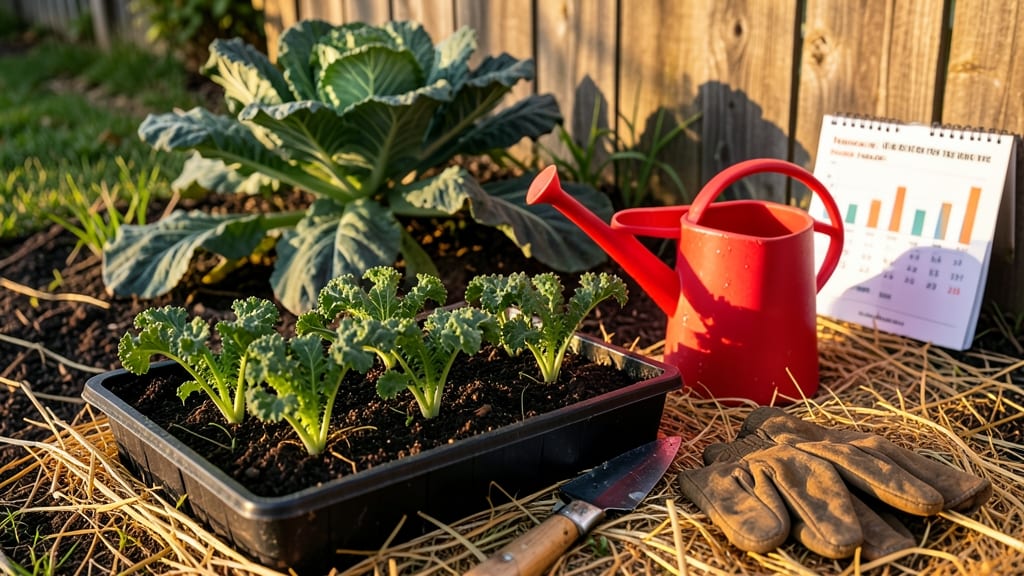
When to plant a fall garden in Mississippi could mean the difference between a bountiful harvest and wilted disappointment—especially when summer heat lingers longer than you’d expect. The key isn’t just waiting for cooler weather; it’s planting 4-6 weeks before the first frost (around mid-August to mid-September) to give your 🥬 vegetables enough time to mature before temperatures drop.
Mississippi’s Zone 8a climate means you’ve got a narrow window to work with, but with the right crops—like heat-tolerant kale, radishes, or sweet potatoes—you can beat the heat and still enjoy fresh veggies through December.
The secret? Starting seeds indoors or choosing varieties bred to handle late-summer heat while still thriving in cooler fall air.
Whether you’re a backyard gardener or squeezing in containers on a city balcony, this guide breaks down the exact steps to prep your soil, pick the best plants for your space, and avoid common pitfalls like frost damage or stunted growth.
No more guessing—just a foolproof plan to turn your patch of dirt into a harvest goldmine.
Ready to skip the summer slump and grow your way into fall? Let’s dive into the timeline, soil tricks, and crop secrets that’ll make your Mississippi garden the talk of the neighborhood.
Mississippi fall planting timeline: exact dates for heat-tolerant vegetables
Mississippi’s USDA Zones 7-8 give you a narrow window to plant fall crops before the first frost (November 15). The key is timing your plantings so vegetables mature 4-6 weeks before frost—this means starting seeds or transplants in mid-August to mid-September for most varieties.
For heat-tolerant crops like okra and sweet potatoes, you can push planting even later—up to early October—since they handle Mississippi’s lingering summer heat better than traditional fall crops. But for cooler-season veggies like broccoli and spinach, late August is your last safe window for direct sowing.
Here’s the breakdown of exact planting dates by crop category, tailored to Mississippi’s climate:
| Crop Category | Ideal Planting Window | Heat-Tolerant Varieties | Notes |
|---|---|---|---|
| Leafy Greens | Late August | Malabar Spinach, Swiss Chard | Start seeds indoors by mid-August |
| Root Vegetables | Mid-August to Early September | Carrots (Danvers), Radishes (Cherry Belle) | Loosen clay soil to prevent forking |
| Cole Crops | Late August (transplants) | Broccoli (De Cicco), Kale (Winterbor) | Use shade cloth if planting early |
| Heat-Tolerant Staples | Early September to Early October | Okra (Clemson Spineless), Sweet Potatoes (Beauregard) | Plant after soil temps drop below 90°F |
| Legumes | Mid-August to Late September | Cowpeas (Purple Hull), Southern Peas (Black-Eyed) | Fix nitrogen for next year’s soil |
Mississippi’s clay-heavy soil can slow germination, so always pre-soak seeds and water deeply after planting. For urban gardeners, container plantings in raised beds warm up faster—ideal for late August starts.
Pro tip: Use row covers to extend your harvest window by 2-3 weeks after frost. They protect tender greens like lettuce while still allowing sunlight through.
If you’re planting tomatoes or peppers for a fall harvest, start seeds indoors by mid-July and transplant hardened-off seedlings by early August. These heat-lovers need time to establish roots before cooler temps arrive.
Mississippi’s humidity levels can encourage fungal diseases in fall gardens, so avoid overhead watering and choose disease-resistant varieties like ‘Celebrity’ tomatoes or ‘Red Russian’ kale.
For container gardening, opt for fast-maturing varieties like bush beans (Blue Lake) or radishes (French Breakfast). These thrive in 5-gallon pots and can be harvested in 30-40 days.
Remember: The last safe date for planting most fall crops in Mississippi is September 15. After that, frost risk increases, and even heat-tolerant varieties struggle to mature.
Heat-tolerant fall vegetables that thrive in Mississippi’s late summer heat
Mississippi’s late summer heat can turn traditional fall crops into wilted disappointments—but the right heat-tolerant varieties transform your garden into a harvest haven.
Think beyond lettuce and spinach: okra, sweet potatoes, and malabar spinach thrive when temps hover in the 90s°F, giving you a head start on cooler-season favorites like kale and broccoli.
These 10 powerhouse plants are bred to handle Mississippi’s Zone 8a climate, where summer lingers into September. The trick? Start seeds indoors 4-6 weeks before your target transplant date (mid-August for most gardeners) to beat the heat stress.
For direct sowing, wait until late August when soil temps dip below 85°F.
Pro Tip: Pair heat-lovers with cool-season crops in succession planting. For example, sow radishes (ready in 30 days) alongside sweet potatoes (90 days)—the radishes mature first, leaving space for the slower growers.
🌱 Heat-Tolerant Fall Crops: Mississippi’s Best Picks
✅ DO Plant These
- Okra – Handles 100°F+; harvest pods at 3-4 inches
- Sweet Potatoes – Thrives in heat; needs 90-120 days
- Malabar Spinach – Heat-loving vine; 60-day harvest
- Cowpeas – Fixes nitrogen; edible pods in 50-60 days
- Swiss Chard – More heat-tolerant than spinach
- Black-Eyed Peas – Drought-resistant; harvest in 60 days
❌ Avoid These (Unless Shaded)
- Lettuce – Bolts in 80°F+; opt for romaine instead
- Regular Spinach – Wilts easily; try New Zealand spinach
- Cabbage – Needs cooler temps; plant after Sept 15
- Peppers (Bell) – Slow to mature; choose jalapeños for speed
- Cucumbers – Heat stress causes bitter fruit
💡 Expert Hack: Use shade cloth (30-50%) over seedlings to lower soil temps by 10-15°F
For container gardening in Mississippi’s urban heat islands, prioritize deep-rooted crops like sweet potatoes (use 5-gallon pots) and vertical growers like pole beans. Dwarf varieties of tomatoes (e.g., 'Tiny Tim') also perform well in 10-inch pots with heat-resistant mulch like straw or wood chips.
Remember: Soil moisture is critical in late summer. Water deeply in the morning to prevent evaporation, and mulch with 2-3 inches of organic matter to retain moisture. Even heat-tolerant plants will struggle if their roots dry out—think of mulch as their personal air conditioner.
By choosing these heat-smart crops and timing your plantings right, you’ll enjoy fresh okra, sweet potatoes, and greens long after your neighbors’ gardens have given up for the year. The key? Start early, stay consistent, and let the heat work for you—not against you. 🌿