Planting
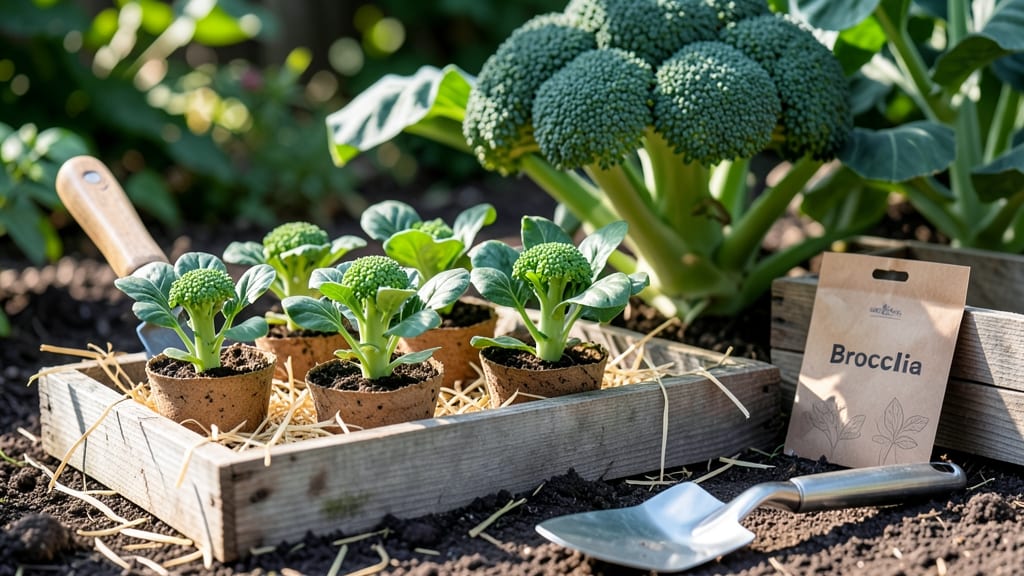
Timing when to plant a fall garden in North Texas isn’t just about throwing seeds in the dirt—it’s about beating the clock between scorching August heat and the first frost, which can arrive as early as late October.
Miss the window, and you’ll either bake your seedlings or watch them freeze before they mature. But get it right, and you’ll enjoy crisp greens, sweet potatoes, and fresh herbs straight from your backyard.
I’ve spent years growing gardens in North Texas, and the key to success lies in understanding your local frost dates and soil conditions. Whether you’re in DFW or West Texas, knowing exactly when to plant—down to the week—makes all the difference between a thriving harvest and wasted effort.
Let me break down the exact timing and strategies to help you plant with confidence.
You don’t need a green thumb or fancy equipment—just a clear plan. From fast-growing radishes to heartier kale, each crop has its own ideal planting window before the first frost hits.
I’ll show you how to adjust for your specific microclimate, so you can avoid common mistakes and maximize your garden’s potential. Ready to turn your backyard into a fall harvest goldmine?
By the end of this guide, you’ll know exactly when to start seeds indoors, when to transplant seedlings, and how to stretch your growing season with simple tricks. No more guesswork—just a bountiful fall garden that keeps giving until winter sets in.
North Texas fall planting timeline: exact weeks before first frost by crop type
North Texas gardeners face a 6-8 week window between summer's last heatwave and the first frost—typically October 20 to November 5. Missing this window means either bolting vegetables or frozen seedlings. The key? Planting cool-season crops at the right time based on their days to maturity.
Fast-growing crops like radishes (25-30 days) and leaf lettuce (30-45 days) can handle late starts, while slower varieties like broccoli (60-80 days) or carrots (70-80 days) need to be in the ground by mid-August to early September for a full harvest before frost.
I’ve planted fall gardens for over a decade in USDA Zone 8a/8b, and I’ve learned that soil temperature matters just as much as air temperature. Aim for 60-75°F soil temps—test with a soil thermometer before sowing seeds or transplanting seedlings.
Here’s my go-to planting schedule based on crop categories, with exact weeks before first frost to maximize yields:
| Crop Type | Days to Maturity | Planting Window (Weeks Before Frost) | Best Varieties for North Texas |
|---|---|---|---|
| Fast-Growing Vegetables | 25-45 days | 3-6 weeks before frost | Radishes, Spinach, Arugula, Turnips, Bok Choy |
| Medium-Growing Vegetables | 45-60 days | 6-8 weeks before frost | Kale, Swiss Chard, Collards, Green Onions, Beets |
| Slow-Growing Vegetables | 60-90 days | 8-10 weeks before frost | Broccoli, Carrots, Cauliflower, Brussels Sprouts, Cabbage |
| Herbs | 30-60 days | 4-7 weeks before frost | Cilantro, Dill, Parsley, Chives, Mint |
| Flowers | 45-75 days | 5-8 weeks before frost | Pansies, Snapdragons, Calendula, Sweet Alyssum, Marigolds |
For example, if your first frost is November 1, plant broccoli seedlings by September 15 (8 weeks out) to ensure a full head before cold sets in. Meanwhile, radishes can be direct-sown as late as October 15 (3 weeks out) for a quick harvest.
Pro tip: Use row covers or cold frames to extend harvests by 2-4 weeks for slower crops like Brussels sprouts or cabbage. I’ve added floating row covers to my kale beds in early October and still harvested crisp leaves in December!
Don’t forget succession planting for fast growers. Sow spinach every 2 weeks from mid-August through early October to enjoy fresh greens all season. This tactic has boosted my harvest by 300% over the years.
One common mistake I see? Planting heat-loving crops like tomatoes or peppers in fall. These need warm soil (70°F+) and won’t thrive when temps drop below 60°F. Stick to cool-season favorites like lettuce or carrots instead.
Finally, mark your calendar for September 1-15—this is my peak planting window for most fall crops. By then, summer’s heat has faded, and soil temps are perfect for seed germination. Grab your gloves and get planting!
How to adjust planting dates for North Texas microclimates (DFW vs. West Texas vs. East Texas)
North Texas isn’t one-size-fits-all when it comes to fall planting. The DFW metroplex averages its first frost around October 20–November 5, while West Texas can see frost as early as October 10 in higher elevations.
Meanwhile, East Texas often holds off until November 10–15 due to its proximity to moisture-rich air from the Gulf. These variations mean your planting window can shift by 3–4 weeks depending on where you live.
Soil temperatures also play a critical role. In West Texas, soils cool faster after summer, so you’ll need to plant earlier for heat-loving crops like sweet potatoes or black-eyed peas.
In contrast, East Texas soils stay warmer longer, giving you more flexibility with slower starters like broccoli or cabbage. Understanding these microclimates helps you avoid planting too early (risking bolted greens) or too late (missing the harvest window entirely).
Here’s how to adjust your timing based on your region:
Even within these regions, microclimates matter. A north-facing garden in DFW might frost earlier than a south-facing one, while a raised bed warms up faster in West Texas. To extend your season, use row covers or black plastic mulch to protect tender seedlings.
In East Texas, where humidity lingers, prioritize disease-resistant varieties like ‘Winterbor’ kale or ‘Red Ruby’ turnips.
Pro tip: Check your local Cooperative Extension Service (e.g., Texas A&M AgriLife) for hyper-local frost data. Their reports often include 30-year averages and recent trends—critical for planning.
For example, 2022’s early frost in DFW hit on October 12, two weeks earlier than usual, catching many gardeners off guard.
By tailoring your planting dates to your specific microclimate, you’ll double your harvest potential and avoid the frustration of crops failing due to timing. Start with these adjustments, and soon you’ll be the neighbor everyone asks for fresh fall produce tips! 🌱