
Plants
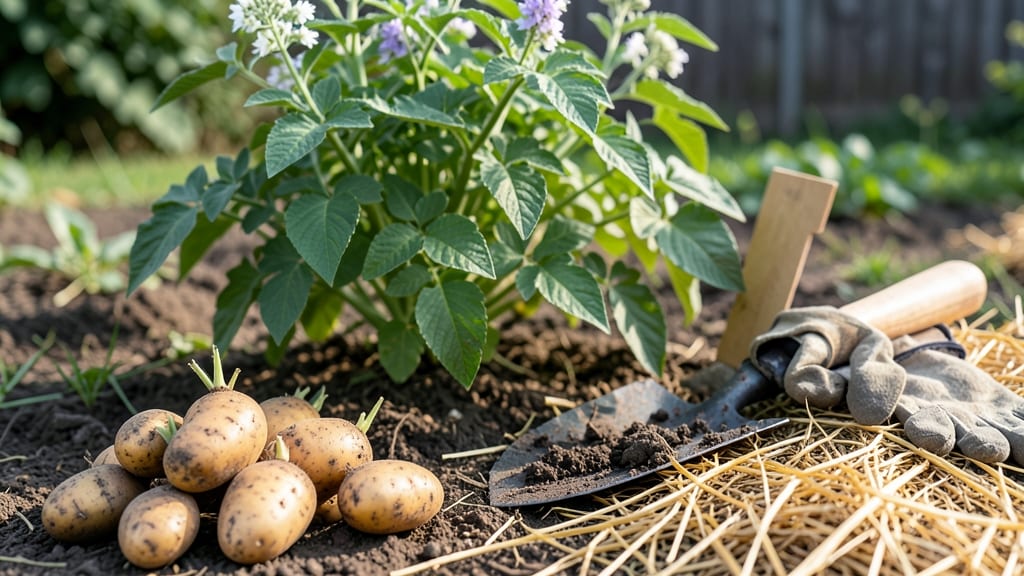
Planting fall potatoes in Texas isn’t just about throwing seeds in the dirt—it’s about outsmarting the heat and early freezes that can turn your crop into a gamble.
With the right timing, heat-tolerant varieties, and a few pro tips, you can still enjoy a bountiful harvest when most gardeners are packing it in for the season.
The key lies in those critical weeks between late August and early October, when temperatures start to cool just enough for potatoes to thrive without wilting.
Texas gardeners know the stakes: plant too early, and your 🥔 potatoes will bake in the summer sun; too late, and frost will ruin your harvest before you even dig.
But here’s the good news—this guide breaks down the exact planting windows, soil prep secrets, and variety picks that work in zones 8a-10b, so you can avoid common pitfalls and maximize your yield.
Whether you’re in North Texas or the Rio Grande Valley, we’ve got the region-specific insights you need.
Why settle for store-bought when you can grow your own? Fall potatoes are easier than you think, especially with the right strategies to beat the heat and extend your growing season.
I’ll show you how to prep your soil, choose the best varieties for Texas’s climate, and even use simple shade tricks to keep your crop happy. Ready to dig in?
Skip the guesswork and learn how to plant potatoes at the perfect moment—so you’re harvesting flavorful spuds from November through January instead of staring at a blank garden bed. Let’s get started.
Best heat-tolerant potato varieties for Texas fall planting
Texas’s brutal summer heat can scorch traditional potato varieties, but heat-tolerant types like Red LaSoda and Yukon Gold thrive even when temperatures soar. These varieties not only survive but also deliver high yields in our unique climate.
The key is selecting potatoes bred for late-summer planting, where soil temperatures stay warm but not scorching.
For gardeners in North Texas, where nights can dip early, frost-resistant varieties like Red Pontiac are ideal. Meanwhile, South Texas gardeners can push the envelope with Sweet Potatoes (not true potatoes but a great alternative) or Kennebec, which handle humidity better.
Always check seed packets for "heat-tolerant" labels to avoid disappointment.
Here’s why these varieties work: Red LaSoda matures quickly (about 90 days) and resists scab disease, common in Texas’s dry heat. Yukon Gold, while slightly less heat-tolerant, produces buttery, high-starch tubers perfect for fall harvests.
For those who love sweet potatoes, varieties like Beauregard thrive in Texas’s long, hot summers.
Don’t overlook organic seed potatoes from reputable suppliers—they’re often treated for disease resistance, giving your fall crop a fighting chance against Texas’s fungal pressures. Avoid Russet varieties unless you’re in higher elevations (like the Hill Country), where cooler nights help them thrive.
Pro tip: Soak your seed potatoes in lukewarm water for 12 hours before planting to speed up sprouting. This is especially critical in Texas, where dry soil can delay germination during our short fall window.
🌱
| Variety | Days to Maturity | Heat Tolerance | Best For | Yield Potential |
|---|---|---|---|---|
| Red LaSoda | 90 | High | North/Central TX | High (5-7 lbs/plant) |
| Yukon Gold | 100 | Moderate | All regions (cooler areas) | Moderate (3-5 lbs/plant) |
| Red Pontiac | 85 | High | North TX (frost-prone) | High (6-8 lbs/plant) |
| Kennebec | 110 | Moderate | South/Central TX | Moderate (4-6 lbs/plant) |
| Beauregard (Sweet Potato) | 100 | Very High | All regions (drought-tolerant) | Very High (8+ lbs/plant) |
When selecting varieties, prioritize those with shorter maturity times—Texas’s fall frost dates vary wildly, and you don’t want your crop caught in a late freeze. For example, Red Pontiac matures in just 85 days, giving it a buffer if your first frost arrives early.
In South Texas, where frosts are rare, you can afford slightly longer-maturing varieties like Kennebec.
Always buy certified disease-free seed potatoes from Texas-friendly suppliers like Johnny’s Selected Seeds or Baker Creek Heirloom Seeds. Avoid grocery-store potatoes—they’re treated to prevent sprouting, not for planting. For organic options, check out High Mowing Organic Seeds, which offers heat-tolerant heirlooms perfect for Texas’s climate.
One mistake I see often is planting traditional Russets in Texas’s heat—they’ll bolt (flower prematurely) and produce small, woody tubers. Instead, opt for round or oblong varieties, which handle heat better.
If you’re experimenting, try fingerling potatoes like Adirondack Blue; they’re drought-resistant and thrive in well-draining soil, ideal for Texas’s caliche-heavy clay.
For maximum success, pair your variety choice with proper soil prep. Texas soil can be alkaline and compacted, so amend with compost and sulfur to lower pH and improve drainage. This is especially critical for Yukon Gold, which prefers slightly acidic soil (pH 5.0-6.0).
💧
Exact months to plant fall potatoes in Texas by region
Texas’s diverse climate means North, Central, and South Texas each have unique fall planting windows for potatoes. The key is planting 4-6 weeks before the first frost—but timing varies wildly across the state.
For example, North Texas (like Dallas) freezes by November 15, while South Texas (Houston area) holds off until December 1. Miss the window, and you risk heat stress or frost damage.
Soil temperature is your best guide: potatoes thrive when soil stays above 50°F but below 85°F. In Texas, this means aiming for late August to early October—but adjust based on your region. Let’s break it down by zone to avoid costly mistakes.
📅 Texas Fall Potato Planting Guide by Region
| Region | Best Planting Window | First Frost Date | Soil Temp Goal |
|---|---|---|---|
| North Texas (Dallas/Fort Worth) | Late August – Early September | November 15 | 50–75°F |
| Central Texas (Austin/San Antonio) | Early September – Mid-September | November 30 | 55–80°F |
| South Texas (Houston/Corpus Christi) | Mid-September – Early October | December 15 | 60–85°F |
💡 Pro Tip: Use a soil thermometer to confirm temps before planting—cool soil delays sprouting!
If you’re in West Texas (El Paso/Lubbock), plant even earlier—by mid-August—since nights drop below freezing by October. Meanwhile, East Texas (Tyler/Beaumont) can stretch planting into late September thanks to milder winters. Always check your local USDA Plant Hardiness Zone (Texas ranges from 8a–10b) for precision.
For a second harvest, try late October plantings in South Texas, using fast-maturing varieties like ‘Red Norland’ (90 days). Just cover plants with frost cloth if temps dip below 32°F. Timing is everything—don’t let Texas’s unpredictable weather ruin your spuds!
Need a backup plan? Container gardening lets you move pots to shade or sheltered areas if heat or frost threatens. Just ensure containers have drainage holes to prevent waterlogged tubers, which rot faster in Texas’s humidity.
🌱