
Plants
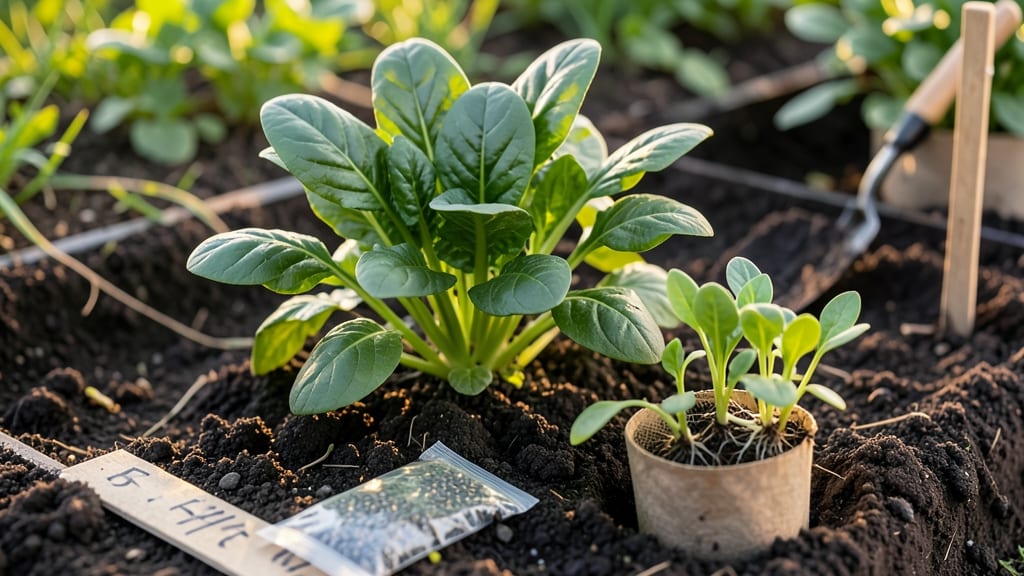
There’s nothing quite like biting into crisp, homegrown 🥬 spinach fresh from your garden—but knowing when to plant fall spinach in zone 7 is the key to a perfect harvest. Getting that timing right ensures your spinach bolts before frost; too late, and you’ll miss the window entirely.
The secret lies in planting at the ideal moment—8-10 weeks before your area’s average frost date—for a reliable harvest from October through November.
For gardeners in Zone 7, the ideal window opens in late summer, but not too close to the first frost. That means if your first frost hits around mid-November, you’re looking at planting in early to mid-September.
This timing ensures your spinach matures just as days grow shorter and cooler, delivering tender leaves at their peak flavor.
Why does this matter? Because spinach thrives in cooler weather, and planting too early can trigger bolting (that bitter, flowery phase we all hate). Meanwhile, planting too late risks frost damage before your crop even gets established.
I’ll walk you through the exact steps to nail your planting schedule, from soil prep to post-harvest care, so you can enjoy a steady supply of fresh 🥬 spinach all fall long.
Whether you’re a seasoned gardener or just starting out, these insights will help you avoid common pitfalls and maximize your yield. Let’s get your spinach growing on the right timeline for a successful harvest before winter sets in.
Optimal planting windows for fall spinach in Zone 7
In Zone 7, timing your fall spinach planting is critical to avoid bolting or frost damage. The ideal window is 8-10 weeks before your first expected frost—typically mid-July to early August for most of the region.
This schedule ensures your spinach matures before winter sets in, giving you a 6-8 week harvest window before hard frost arrives.
For direct sowing, aim to plant seeds 4-6 weeks before your average first frost date. In Zone 7, this usually means late July to early August.
Spinach grows quickly—30-45 days to maturity—so planting too early risks bolting (premature flowering) from heat stress, while planting too late leaves your crop vulnerable to frost.
If you prefer transplants, start seeds indoors 4-6 weeks before your outdoor planting date. This gives you flexibility to adjust timing based on weather forecasts. Harden off seedlings for 7-10 days before transplanting them into the garden 4-6 weeks before frost.
For succession planting, sow a second batch 2-3 weeks after your first planting to extend your harvest. This works well in Zone 7, where fall temperatures drop gradually.
Just ensure your second planting is mature enough to harvest before the first hard frost—usually mid-to-late November in most of Zone 7.
| Planting Method | Best Planting Window | Days to Maturity | Notes |
|---|---|---|---|
| Direct Sowing | Late July - Early August | 30-45 days | Plant 4-6 weeks before frost; avoid bolting with shade cloth if needed. |
| Transplants | Early August (start seeds indoors July) | 45-60 days | Harden off seedlings 7-10 days before transplanting. |
| Succession Planting | Late August (2-3 weeks after first planting) | 30-45 days | Extend harvest; use row covers for late plantings. |
In Zone 7, your first frost date typically lands around mid-November. To maximize your harvest, aim to have your spinach mature 4-6 weeks before frost. This means your last harvest should occur in early-to-mid November, just before temperatures drop below 25°F (-4°C).
Use a frost calendar for your specific location to fine-tune dates.
For late-season success, consider using cold-hardy varieties like 'Bloomsdale Long Standing' or 'Tyee'. These varieties tolerate light frosts and produce sweeter leaves in cooler weather. Pair them with row covers to push back frost dates by 2-4 weeks, giving you extra harvest time.
Always check your local frost dates—they can vary by 1-2 weeks within Zone 7. For example, higher elevations (like the Appalachians) may frost earlier than lower elevations (like coastal areas). Adjust your planting timeline accordingly to avoid losing your crop to unexpected cold snaps.
Pro tip: Mark your planting dates on a garden calendar and track soil temperatures. Spinach prefers soil temps between 45°F and 75°F (7°C-24°C). If summer heat lingers, use shade cloth to prevent bolting and keep your spinach cool and productive.
With the right timing, you’ll enjoy crisp, homegrown spinach straight from your garden—perfect for salads, sautéing, or blending into smoothies. Just remember: plant early, harvest often, and protect from frost for a bountiful fall crop! 🥬
Optimal planting windows for fall spinach in Zone 7
In Zone 7, timing your fall spinach is all about beating the first frost while avoiding summer heat stress. The ideal window is 8-10 weeks before your average first frost date—typically late July to early September in most Zone 7 regions.
This schedule ensures your spinach matures before winter temperatures drop below 25°F.
For a continuous harvest, use succession planting by sowing seeds every 2-3 weeks until mid-August. This staggered approach maximizes yield and stretches your harvest into late fall. For example, if your first frost is November 15, your last planting should be by September 15.
Direct sowing is best for fall spinach—it thrives when planted after soil temperatures drop below 80°F. Transplants can struggle with heat stress, so avoid starting seedlings indoors before July. If you must transplant, choose smaller seedlings (4-6 inches tall) to reduce transplant shock.
| Planting Stage | Zone 7 Timeline | Key Notes |
|---|---|---|
| Direct Sowing (Early) | Late July - Early August | Harvest in 30-45 days; ideal for baby leaves |
| Direct Sowing (Mid) | Mid-August | Peak harvest in October; avoid bolting |
| Direct Sowing (Late) | September 1-15 | Protect with row covers; harvest before frost |
| Transplanting (If Needed) | Early August (only) | Use small seedlings; water deeply post-transplant |
Choose cold-hardy varieties like 'Bloomsdale Long Standing' or 'Tyee' for Zone 7. These types tolerate light frosts (28°F) and produce sweeter leaves after a frost. Avoid heat-sensitive varieties like 'Baby's Leaf Hybrid' for fall plantings—they bolt quickly in summer heat.
After planting, maintain consistent soil moisture and mulch with straw to insulate roots. If temperatures dip below 30°F, use floating row covers to protect young plants. This extends your harvest window by 2-3 weeks in most Zone 7 climates.
Remember: Spinach is a cool-season crop, so the cooler fall weather actually improves flavor and texture. By following this schedule, you’ll enjoy fresh, homegrown spinach straight from your garden until winter sets in.