
Flowers
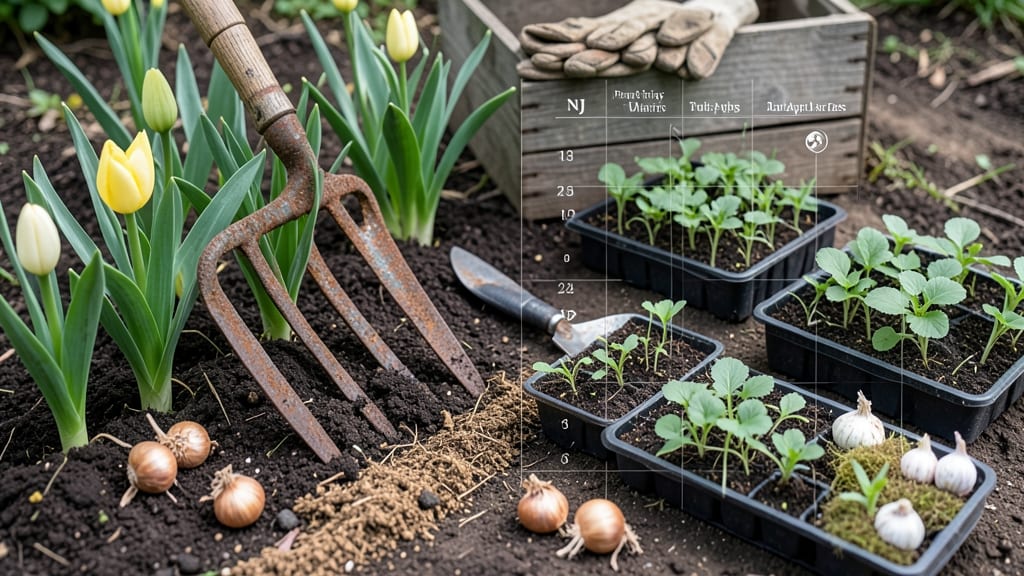
Timing your flower planting in NJ can make the difference between a garden bursting with color and one that fizzles before summer. With USDA Zones 6b-7a and unpredictable spring weather, knowing exactly when to plant your 🌱 flowers is the key to success.
Too early, and a late frost could wipe out your tender seedlings. Too late, and you’ll miss the prime window for vibrant summer blooms.
I’ve spent years testing planting schedules across northern and southern NJ, and the results speak for themselves: the right timing delivers longer-lasting flowers that thrive from spring through fall.
Whether you’re planting hardy perennials or delicate annuals, this guide breaks down the best months for each type—plus how to adjust for your specific microclimate. Let’s get your garden off to a bold start.
From spring bulbs to fall mums, you’ll discover exactly when to plant for maximum impact, with NJ-specific tips to beat frost and heat. Ready to transform your yard into a year-round floral show?
Best flower planting calendar for NJ by season and bloom type
Timing is everything when planting flowers in New Jersey’s USDA Zones 6b-7a. The average last frost date ranges from mid-April in southern NJ to late May in the north—so adjust your schedule accordingly.
For cool-season bloomers like pansies and snapdragons, start seeds indoors by March 1 or plant outdoors after April 15 in most regions.
Summer annuals like marigolds and zinnias thrive when planted after all danger of frost has passed—typically May 10-20 in northern NJ and April 15-30 in the south. Meanwhile, perennial flowers such as coneflowers and black-eyed Susans should go into the ground in early spring or fall for best root establishment.
🌱
📅 NJ Flower Planting Calendar by Season
| Season | Plant Type | Best Planting Time | Notes |
|---|---|---|---|
| Spring | Perennials | March 15 - April 30 | Divide clumps in early spring |
| Spring | Cool-season annuals | April 15 - May 10 | Start seeds indoors earlier |
| Summer | Heat-loving annuals | May 10 - June 1 | Wait until soil warms to 60°F |
| Fall | Bulbs (tulips, daffodils) | September 15 - October 15 | Plant 6 weeks before first frost |
| Fall | Perennials | August 15 - September 30 | Establishes roots before winter |
For bulbs like tulips and daffodils, plant them in fall (September-October) so they establish roots before winter. These hardy bloomers will reward you with early spring color that brightens up chilly NJ mornings.
Meanwhile, late-summer bloomers such as cosmos and sunflowers should go in after June 1 to avoid bolting from heat stress.
If you’re planting vegetable flowers like nasturtiums, time them with your edible garden—they thrive when planted alongside tomatoes and cucumbers in early summer. For container gardening, use heat-tolerant varieties like portulaca or vinca and plant them after May 15 for continuous blooms.
🌿
Don’t forget to amend your soil before planting—NJ’s clay-heavy soil benefits from compost and sand to improve drainage.
Test your soil’s pH level (ideal range: 6.0-7.0 for most flowers) and adjust with lime or sulfur if needed. Mulch after planting to retain moisture and suppress weeds, especially during hot July summers when water demand peaks.
For extended blooms, deadhead spent flowers regularly—this encourages black-eyed Susans and coneflowers to produce more blooms throughout the season. In late summer, add fall-blooming asters and chrysanthemums to keep your garden vibrant until first frost (typically October 31-November 15 in NJ).
🌸
How to adjust planting times for NJ’s microclimates and frost risks
New Jersey’s diverse microclimates mean your garden in Northern NJ (like Bergen County) can experience frost weeks after your neighbor in Southern NJ (like Cape May). Even within a few miles, temperature shifts can delay planting by 2-3 weeks.
Understanding these variations helps you avoid frost damage and extend your bloom season.
For example, Newark’s average last frost date is around April 15th, while Atlantic City’s is closer to April 1st. That’s a critical window for tender annuals like petunias or marigolds.
If you plant too early in the north, a surprise frost in May could kill your seedlings. But if you wait too long, you’ll miss the peak summer color these flowers provide.
Here’s my pro tip: Use a frost risk map (like the one from the NJ State Climatologist) to pinpoint your exact zone. Then adjust planting dates by 1-2 weeks later if you’re in a colder pocket.
For instance, if the general rule says to plant begonias in May, hold off until mid-May in the Poconos.
⚠️ Frost Risk Warning
Don’t rely on calendar dates alone! Even if it’s May 1st, a late frost can still hit. Check the National Weather Service for 10-day forecasts before planting heat-loving annuals. In Zone 6b (northern NJ), wait until after May 15th for tomatoes and peppers—even though they’re not flowers, their planting timing affects your garden layout.
Another trick? Hardening off your seedlings for 7-10 days before transplanting. This toughens them up for temperature swings, which are common in NJ’s spring transitions. Start by exposing them to outdoor conditions for 2 hours daily, then gradually increase to full sun.
It’s extra work, but it doubles your success rate with delicate perennials like lavender or salvia.
For extended-season blooms, choose late-blooming varieties like ‘Autumn Joy’ sedum or ‘October Skies’ asters. These thrive in fall’s cooler temps and keep your garden vibrant until first frost (typically October 31st in the south to November 15th in the north).
Pair them with evergreen shrubs like boxwood for year-round structure.
Finally, use row covers or cold frames to push your planting window 2-4 weeks earlier. These create a mini greenhouse effect, protecting spring bulbs like tulips from late frosts.
Just remove the covers once nighttime temps stay above 40°F consistently. It’s a game-changer for early spring color!