
Flowers
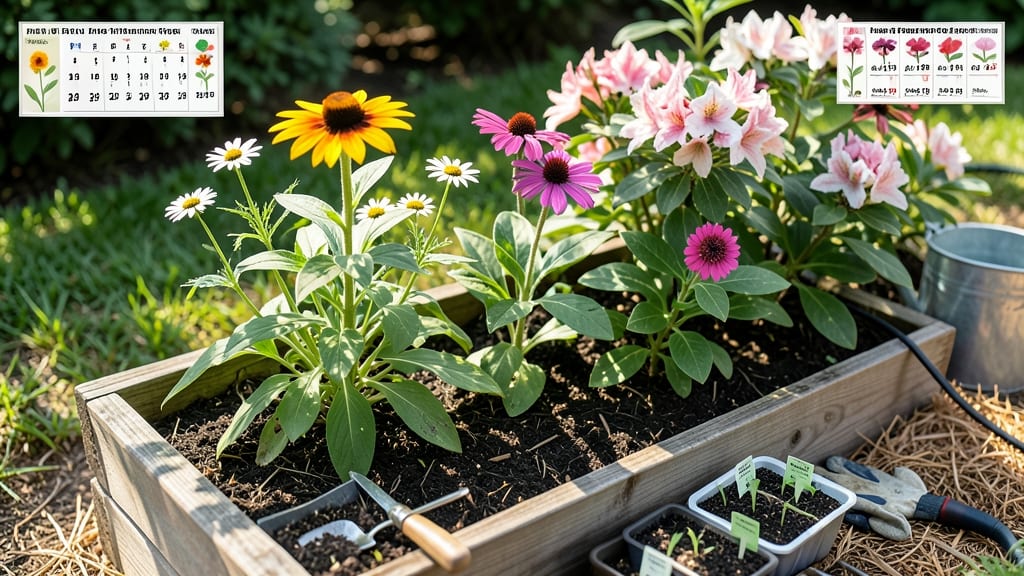
Timing your flowers planting in Alabama isn’t just about following a calendar—it’s about outsmarting the state’s unpredictable frost dates and heat zones. In Zone 7a, a late-March frost can still threaten tender annuals, while Zone 8b gardeners in Mobile might face scorching summer soil by May.
Get this wrong, and your 🌸 petunias or snapdragons could either bolt in the heat or freeze before blooming.
What sets Alabama apart is its dramatic climate shifts—cool mountain valleys, steamy coastal plains, and urban heat islands that can push planting deadlines weeks apart.
The key isn’t just knowing when to plant; it’s adjusting for your exact county’s last frost date (which can vary by 2+ weeks from north to south) and choosing flowers that thrive in your microclimate.
Whether you’re a Birmingham balcony gardener or a Gulf Coast perennial enthusiast, this guide breaks down the exact windows for spring and fall plantings—plus how to stretch seasons with row covers or staggered sowings. Skip the guesswork and discover how to turn Alabama’s climate challenges into your garden’s competitive edge.
Ready to transform your yard into a year-round bloom parade? Let’s dive into the county-specific strategies that’ll have your flowers thriving from February to November—no matter where you are in the state.
Alabama’s flower planting calendar by USDA heat Zone
Alabama spans USDA zones 7a through 8b, meaning your last spring frost can arrive anywhere from late February in Mobile County to mid-April in the Tennessee Valley.
This variation means annual flowers like marigolds thrive in Zone 8b’s longer growing season, while pansies in Zone 7a need earlier planting dates to avoid frost damage. Let’s break down the ideal planting windows for your specific region.
For heat-sensitive flowers (pansies, snapdragons, petunias), wait until after your average last frost date—typically mid-March in North Alabama and late February in South Alabama. Heat-tolerant varieties (zinnias, sunflowers, marigolds) can handle Alabama’s summer heat and can be planted as early as February in Zone 8b or as late as May in Zone 7a for fall blooms.
🌱
| USDA Zone | Last Frost Date | Spring Planting Window | Fall Planting Window | Heat-Sensitive Flowers | Heat-Tolerant Flowers |
|---|---|---|---|---|---|
| 7a (North Alabama) | Mid-April | April 15–May 15 | August 15–September 15 | Pansies, Snapdragons | Marigolds, Zinnias |
| 7b (Central Alabama) | Early April | March 30–April 30 | August 1–September 10 | Petunias, Impatiens | Sunflowers, Cosmos |
| 8a (South Alabama) | Late March | March 1–April 15 | July 30–September 5 | Sweet Alyssum, Lobelia | Portulaca, Lantana |
| 8b (Gulf Coast) | Mid-February | February 15–March 30 | July 15–August 30 | Calendula, Stock | Geraniums, Verbena |
In Zone 7a (think Huntsville, Decatur), perennial flowers like black-eyed Susans and coneflowers can be planted in early spring (March) or fall (September) for established roots before winter.
Meanwhile, Zone 8b gardeners (Mobile, Pensacola) can push the envelope by planting tender annuals like geraniums as early as January under row covers to beat the heat.
For bulb flowers (tulips, daffodils), plant in fall (October–November) to ensure they bloom in early spring before Alabama’s heat sets in. Spring-blooming bulbs like daffodils are frost-hardy, while summer-blooming bulbs (like dahlias) need to wait until after the last frost in your zone.
Pro tip: Use Alabama Cooperative Extension’s frost-free date maps to pinpoint your exact planting deadline. In Mobile County, you might have 60 extra frost-free days compared to Madison County, giving you a longer window for heat-loving flowers like hibiscus and canna lilies.
🌿
If you’re unsure about your USDA zone, check the Alabama Climate Database or use the Zone Finder tool from the Alabama Extension. For container gardening, you can extend your planting season by 2–4 weeks using black plastic pots or heat-resistant containers that warm up faster in spring.
🌸
Best flowers to plant by Alabama season: spring vs. fall strategies
Alabama gardeners know that timing is everything—especially when it comes to planting flowers. Spring-blooming annuals like petunias and impatiens thrive when planted after the last frost, while fall-planted perennials like chrysanthemums establish roots before winter.
In Zone 7a (northern Alabama), aim for late March to early April for spring plantings, while Zone 8b (southern Alabama) can start as early as February. The key? Match your flowers to Alabama’s 210 frost-free days and avoid late-summer heat stress.
For spring plantings, focus on heat-sensitive varieties that won’t wilt under Alabama’s 90°F+ summers. Snapdragons and pansies love cooler temperatures, so plant them in March for early blooms. Meanwhile, heat-tolerant marigolds and zinnias can handle Alabama’s summer heat if planted in late April or early May.
In Mobile County, where humidity lingers, opt for drought-resistant flowers like lantana or salvia to prevent fungal issues.
Fall is the perfect time to plant perennials and bulbs that need time to root before winter. Chrysanthemums and asters thrive when planted in August or early September, giving them a head start before the first frost in mid-November.
For Zone 7a, add a layer of mulch in October to protect roots from freezing temps. In coastal areas like Gulf Shores, where summers stay warm, fall-planted flowers like cosmos and sunflowers can bloom well into November.
🌸
- 📅 Plant after last frost (mid-March in Zone 7a, February in Zone 8b).
- 🌿 Choose heat-sensitive flowers (pansies, snapdragons) for March plantings.
- ☀️ Opt for heat-tolerant varieties (marigolds, zinnias) in late April.
- 💧 Water deeply in morning to prevent fungal diseases in humid areas.
- 🪴 Use container gardening for urban heat islands (e.g., Birmingham).
If you’re planting for fall blooms, prioritize drought-resistant perennials like coneflowers or black-eyed Susans. These thrive when planted in August and can handle Alabama’s dry spells better than thirsty annuals. For bulbs like daffodils and tulips, plant them in October—they’ll naturalize and return year after year.
In high-elevation areas (e.g., near Chattanooga suburbs), plant bulbs 2 weeks earlier to avoid early frosts.
Pro tip: Stagger your plantings every 2 weeks in spring to ensure continuous blooms. For example, plant petunias in March, impatiens in April, and zinnias in May.
This trick works especially well in containers, where you can rotate flowers as seasons change. Just remember—Alabama’s humidity means avoid overhead watering at night to prevent mildew.
🌺 For long-lasting color, mix spring and fall plantings. Start with cool-season flowers in March, then transition to heat-lovers in May, and finish with fall perennials in August.
With this strategy, your garden will stay vibrant from March through November—no boring gaps! Just watch those frost dates and adjust as needed.