
Plants
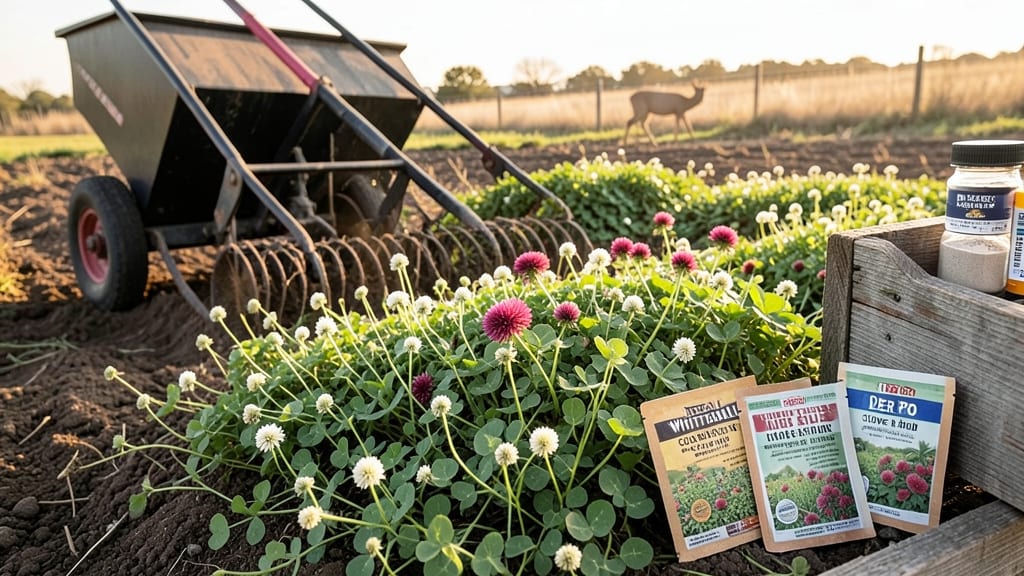
Timing when to plant food plots in Texas wrong could mean missing the entire deer season—but get it right, and you’ll create a year-round hunting hotspot.
The difference between a failed plot and a thriving one often comes down to knowing exactly when to plant, whether you’re in North Texas’s cooler climate or South Texas’s extended growing season.
Most hunters focus only on fall planting, but Texas’s diverse climate zones (like 8a-10b) actually allow for two peak planting windows: late February through early April for spring plots and August through September for fall.
These windows align with soil temperatures, rainfall patterns, and deer behavior—meaning your food plots will be lush and ready when bucks are most active.
In this guide, I’ll break down the month-by-month schedule for planting clover, brassicas, and warm-season grasses, so you can avoid common mistakes like planting too early (risking frost) or too late (missing peak growth).
You’ll also learn how to prep your soil, choose the right crops for your region, and keep your plots productive for hunting season.
Whether you’re a first-time planter or a seasoned land manager, these insights will help you turn your property into a deer magnet—without wasting time or resources. Let’s get started.
Texas food plot planting calendar by month for maximum deer impact
Texas’ diverse climate zones mean your food plot timing should vary between North, Central, and South Texas. In North Texas (USDA Zones 8a-8b), frost dates are more extreme, while South Texas (Zones 9a-10b) offers year-round growing potential.
The key is aligning your planting with soil temperatures, rainfall patterns, and deer hunting seasons to maximize forage availability.
For spring planting (February–April), focus on cool-season forages like clover and brassicas, which deer crave during summer heat. Fall planting (August–September) shifts to warm-season mixes like sorghum and millet, ensuring food is available during late-season hunts. Let’s break down the month-by-month schedule tailored to each Texas region.
🌱 Pro Tip: Always check your local frost dates and soil temperature (use a soil thermometer) before planting—60°F+ is ideal for warm-season crops, while 50°F–60°F suits cool-season forages.
| Month | North TX (Zones 8a-8b) | Central TX (Zones 8b-9a) | South TX (Zones 9b-10b) | |
|---|---|---|---|---|
| February | Cool-season crops (clover, wheat) if frost-free | Brassicas (turnips, radishes) for early spring | Warm-season prep (soil test, lime if needed) | |
| March | Primary cool-season planting (clover, rye) | Cool-season crops + summer sorghum prep | Plant warm-season mixes (sorghum, millet) | |
| April | Fertilize cool-season plots; monitor drought | Overseed with summer annuals (sunflowers) | Maintain warm-season plots; plant late brassicas | |
| May | Cool-season plots decline; prepare for summer | Plant summer mixes (peanuts, cowpeas) | Peak warm-season growth; thin if overcrowded | |
| June–July | Dormant season; soil prep for fall | Maintain summer plots; irrigate if dry | Warm-season plots thrive; monitor pests | |
| August | Plant fall brassicas (rapeseed, turnips) | Warm-season to cool-season transition | Late warm-season planting (sorghum-sudangrass) | |
| September | Peak fall planting (clover, wheat) | Cool-season dominance; fertilize for growth | Plant winter wheat or rye for spring | |
| October–November | Cool-season plots establish; deer activity peaks | Maintain plots; protect from frost | Warm-season plots decline; prep for winter | |
| December–January | Dormant season; plan spring plots | Cool-season plots may need irrigation | Minimal activity; soil prep for spring |
| Month | North Texas (8a) | Central Texas (8b-9a) | South Texas (9b-10b) | Best Crops |
|---|---|---|---|---|
| February | ✅ Late Feb (after frost) | ✅ Mid-Feb | ✅ Jan–Feb | Clover, wheat, rye |
| March | ✅ Peak month | ✅ Peak month | ✅ Feb–March | Brassicas, chicory |
| April | ⚠️ Early April only | ⚠️ Early April | ✅ March–April | Sorghum, millet |
| August | ✅ Late Aug–early Sept | ✅ Aug–Sept | ✅ Aug–Sept | Clover, brassicas |
| September | ✅ Early Sept | ✅ Sept–Oct | ✅ Sept–Oct | Winter wheat, rye |
⚠️ Key: ✅ = Ideal, ⚠️ = Possible but riskier
Spring planting in March is ideal because soil temperatures hit 60°F+, encouraging rapid germination. For fall plots, aim for August–September to ensure crops establish before cooler weather sets in.
In South Texas, you can extend planting into October for winter forage, but avoid planting after October 15 in North Texas to prevent frost damage.
Soil temperature is your best guide—use a soil thermometer to confirm 60°F+ for warm-season crops (like sorghum) or 50°F+ for cool-season crops (like clover). If you’re in doubt, wait a week or two; rushing planting often leads to poor establishment and wasted seed.
Pro tip: Prep your soil in late winter (February) by tilling, adding lime (if pH is <6.0), and fertilizing with 10-20-10 NPK. This gives you a head start before planting season begins. For fall plots, focus on weed control in July to ensure a clean seedbed when you plant in August.
Timing your planting isn’t just about the calendar—it’s about aligning with deer behavior. A spring plot planted in March will be ready by May–June, just as bucks are shedding antlers and looking for protein.
A fall plot planted in September will peak in November–December, perfect for rutting season. Plan ahead, and your food plots will be a deer magnet year-round.