
Plants
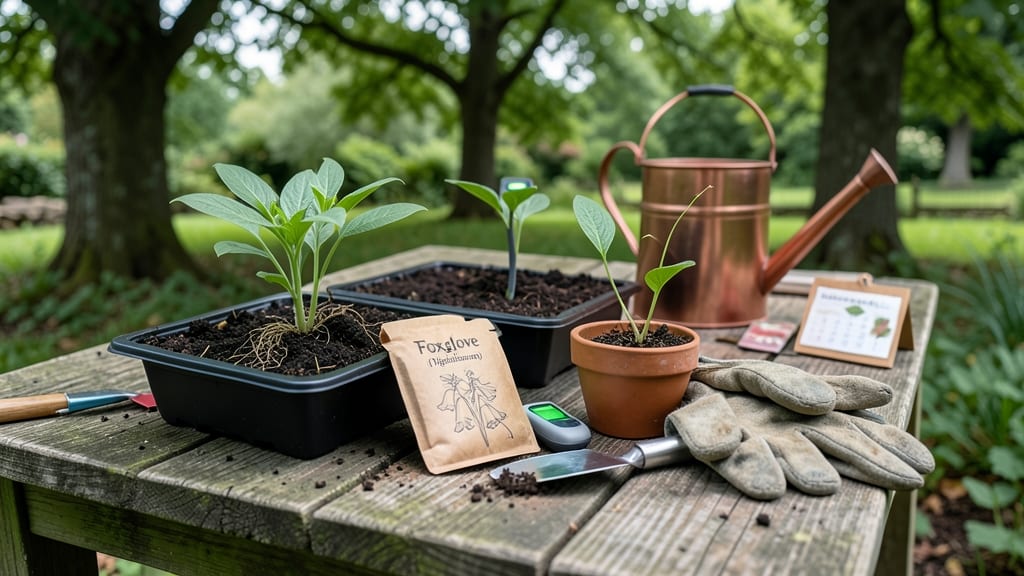
If you've ever struggled with when to plant foxglove seeds in Zone 7, you're not alone—these 🌸 beauties demand precision. The secret to success lies in timing your sowing to match Zone 7's unique climate quirks, where mild winters and warm springs create a narrow window for optimal germination.
Unlike many plants, foxglove thrives when sown directly in the garden, but getting the timing right is everything. Plant too early, and frost will strike; too late, and you'll miss the best growing conditions.
I'll show you exactly when to start seeds outdoors—whether in late summer or early fall—to give your foxglove the head start it needs.
What sets Zone 7 apart is its ability to support early fall sowing, a trick that can double your chances of strong seedlings. But there's more to it than just the calendar.
We'll cover soil prep, cold frame strategies, and how to protect those delicate sprouts from late frosts—all while avoiding common pitfalls that kill germination.
By the end, you'll have a clear, actionable plan to transform those stubborn foxglove seeds into vibrant, towering blooms—without the guesswork. Let's get started.
Optimal planting times for foxglove seeds in Zone 7: cold frame vs outdoor sowing
Foxglove seeds thrive in Zone 7’s mild winters, but timing is everything. The best window for direct sowing outdoors is late summer to early fall—specifically August through September.
This aligns with your zone’s first frost date (around October 15), giving seeds time to germinate before cold sets in.
Zone 7’s unique micro-climate allows for early fall planting, a trick that bypasses the spring rush many gardeners face. Unlike colder zones, your soil stays workable longer, reducing the risk of seed rot from inconsistent temperatures.
However, spring sowing (March-April) is still viable if you miss the fall window.
Here’s the golden rule: Plant foxglove seeds 6-8 weeks before your first frost. In Zone 7, this means late August to early September for fall sowing.
For spring planting, aim for early March—after the last frost date (around April 15) but before soil overheats in May.
Cold frames extend your planting window by 2-3 weeks earlier in fall or 2-3 weeks later in spring. They create a micro-climate that mimics ideal germination temps (60-70°F), shielding seeds from late frosts or spring heatwaves. This is especially useful in Zone 7’s unpredictable climate.
If you’re direct sowing outdoors, wait until soil temps drop below 80°F (usually late August) to avoid seed dormancy. Use a soil thermometer to monitor—foxglove seeds won’t germinate above 85°F. For cold frame sowing, you can start 4-6 weeks earlier (mid-August) to jumpstart growth.
Zone 7’s frost-free period (about 165 days) gives foxglove seeds enough time to germinate and establish roots before winter. However, fall-sown seeds often overwinter better than spring-sown ones, thanks to natural stratification from cold temps. This reduces transplant shock when seedlings emerge in spring.
Pro tip: Scarify seeds lightly with sandpaper before planting to break dormancy. Then, press them just below soil surface (¼ inch deep) in well-draining, slightly acidic soil (pH 6.0-7.0). Mulch with straw or leaves to retain moisture and protect from temperature swings.
Here’s what NOT to do: Avoid planting in early fall (October)—seeds may rot before germinating. Also, skip indoor starting; foxglove seedlings hate transplanting and often bolt or die from root disturbance. Direct sowing is your best bet for success.
Visual Guide: Cold Frame vs Outdoor Sowing
| Method | Best Planting Window | Soil Temp | Germination Time | Zone 7 Advantage |
|---|---|---|---|---|
| Cold Frame | Mid-August – Early September | 60–70°F | 4–6 weeks | Extends season by 3 weeks |
| Outdoor Direct | Late August – Early September | Below 80°F | 6–8 weeks | Avoids spring heat stress |
| Spring Sowing | Early March – April | 50–60°F | 8–10 weeks | Misses natural stratification |
Remember: Foxglove seeds need patience. Germination can take 30–60 days, even under ideal conditions. In Zone 7, fall-sown seeds often outperform spring plantings because they experience natural cold stratification, mimicking their wild habitat. This process breaks seed dormancy and boosts vigor.
If you’re new to foxglove growing, start with 10–20 seeds in a small patch to test your timing. Mark the spot with stakes or flags to track germination progress. Once seedlings reach 2–3 inches tall, thin them to 12–18 inches apart—they’ll reach 5–6 feet tall
Optimal planting times for foxglove seeds in Zone 7: cold frame vs outdoor sowing
In Zone 7, the best time to plant foxglove seeds is during late summer to early fall, specifically between mid-August and mid-September.
This window aligns perfectly with your climate’s mild winters and warm soil temperatures, creating ideal conditions for germination before the first frost hits around mid-October.
Why this timing? Foxglove seeds need consistent moisture and cool soil (around 50-60°F) to sprout. Planting in late summer allows seeds to stratify naturally over winter, breaking dormancy early the following spring. This two-year bloom cycle means patience pays off—your 🌸 flowers won’t appear until their second year!
For gardeners in Zone 7, fall sowing outdoors is often the most reliable method. However, if you’re unsure about your last frost date or want extra protection, a cold frame can extend your planting window into early October.
The cold frame acts as a mini greenhouse, shielding seedlings from late frosts while maintaining stable temperatures.
| Method | Best Planting Window | Soil Temp | Frost Protection |
|---|---|---|---|
| Direct Outdoor Sowing | Mid-August to Mid-September | 50-60°F | Mulch or row cover |
| Cold Frame Sowing | Late August to Early October | 45-55°F | Cold frame structure |
| Indoor Start (Not Recommended) | April (for transplant) | 65-70°F | Hardening off required |
Avoid planting foxglove seeds in spring—this is a common mistake! Spring-sown seeds often struggle with inconsistent moisture and temperature fluctuations in Zone 7.
If you miss the fall window, your best bet is to purchase young plants in early spring and transplant them directly into the garden, but be gentle—foxglove hates root disturbance.
For maximum success, aim to have your foxglove seeds germinate by late fall so they can establish a strong root system before winter. This means starting your sowing 6-8 weeks before your first frost. In Zone 7, that’s typically early to mid-September—don’t wait until October!
Pro tip: If you’re using a cold frame, monitor soil moisture closely—foxglove seeds need to stay consistently damp but never waterlogged. A light mulch (like straw) can help retain moisture while preventing soil compaction.
With the right timing and care, your foxglove seeds will sprout reliably and reward you with towering blooms next summer!