
Trees
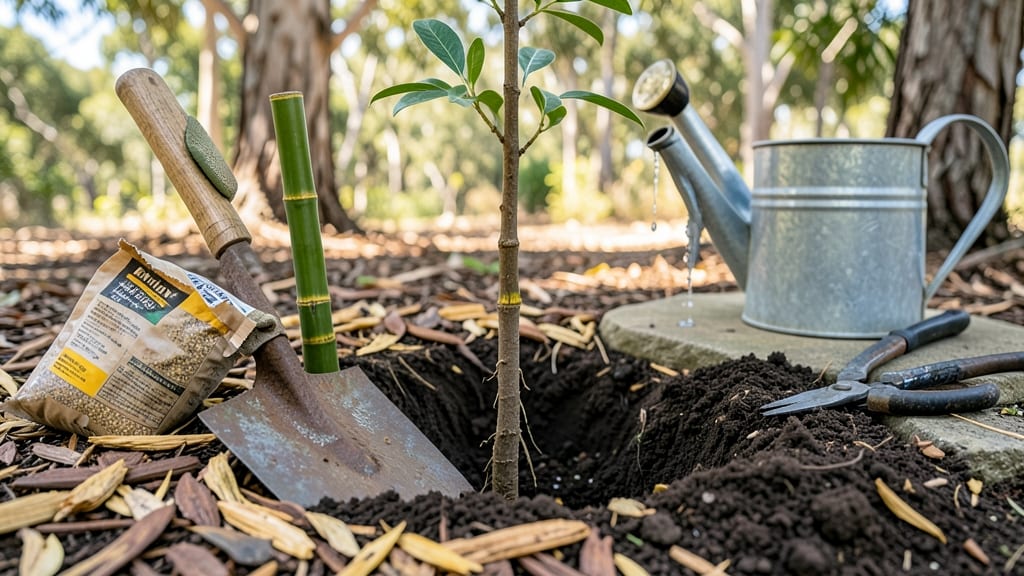
Timing your fruit tree planting in New Zealand makes all the difference between a thriving orchard and a struggling sapling. Whether you're in the warmer North Island or the cooler South Island, getting the season right ensures strong root growth and future harvests.
I’ve seen firsthand how a single wrong month can leave trees vulnerable to frost or heat stress. The key is understanding your local climate—spring is ideal for most regions, but frost-sensitive varieties need extra care.
Let’s break down the best planting windows so you can set your trees up for success.
From citrus groves in Northland to apple orchards in Canterbury, each area has unique conditions. You’ll discover how soil temperature, rainfall, and even wind patterns play a role in choosing the perfect time. Ready to plant with confidence?
We’ll cover everything—whether you’re working with bare-root saplings or container-grown trees. By the end, you’ll know exactly when to dig in for the best chance of a bountiful harvest. Let’s get started!
New Zealand fruit tree planting calendar by region (north vs South Island)
New Zealand’s diverse climate means the best time to plant fruit trees varies dramatically between the North Island and South Island. In warmer northern regions, fruit trees thrive when planted in late winter to early spring, while cooler southern areas benefit from autumn planting to avoid harsh winters.
Let’s break down the ideal planting windows for each region.
For the North Island, including Auckland, Waikato, and Bay of Plenty, August to October is prime time. This aligns with the bare-root planting season, when soil is cool but workable, and trees can establish roots before summer heat arrives.
Meanwhile, the South Island, from Canterbury to Otago, favors April to May planting to avoid winter frosts that could damage young trees.
🌱
| Region | Best Planting Months | Best Tree Types | Key Considerations |
|---|---|---|---|
| North Island | August–October | Citrus, Feijoa, Avocado, Stone Fruits | Avoid summer planting; high humidity risks disease |
| South Island | April–May | Apple, Pear, Cherry, Plum | Frost protection essential; windbreaks recommended |
| Both Islands | June–July (Bare-Root) | All Varieties | Soil must be cool but not frozen; prune before planting |
If you’re planting container-grown fruit trees, timing is slightly more flexible. These trees can go in the ground from spring to early autumn, but avoid planting during peak summer heat or winter frosts.
Container-grown trees are less vulnerable to transplant shock, making them ideal for last-minute plantings in mild seasons.
For citrus trees in the North Island, September to November is ideal. These trees hate cold, so planting them before winter ensures they establish roots before cooler temperatures arrive.
In contrast, apple and pear trees in the South Island should be planted in April to give them time to harden off before winter.
One common mistake is planting bare-root trees in summer. The exposed roots dry out quickly, reducing survival rates. Always check the soil temperature—it should be 10–15°C for optimal root growth. Use a soil thermometer if unsure, as cooler soil speeds up root establishment.
🌿
Regional microclimates also play a role. For example, Hawke’s Bay and Wellington can handle late autumn plantings (March–April) due to milder winters, while Southland and Otago require earlier planting to avoid frost damage. Always research your local frost dates—these are critical for stone fruit trees like peaches and plums.
For berry bushes (e.g., raspberries, blueberries), timing shifts slightly. Plant them in autumn or early spring to align with their natural dormancy cycles. Blueberries, in particular, thrive in acidic soil, so test your soil pH before planting—aim for 4.5–5.5 for best results.
Finally, consider pollination needs. Some fruit trees, like apples and cherries, require cross-pollination. If planting these, choose two compatible varieties and space them 30–50 feet apart for optimal fruit set. Planting them at the same time ensures synchronized blooming.
☀️
How climate zones affect fruit tree success in NZ (and what to avoid)
New Zealand’s diverse climate zones—from subtropical Northland to alpine Otago—mean your fruit tree’s success depends on local conditions. I’ve seen citrus trees thrive in Auckland while freezing in Canterbury without proper planning.
The key is matching your tree to your microclimate, especially when it comes to frost risk and summer heat.
In the North Island, milder winters and warmer soils allow planting from late winter to early spring. But in the South Island, frost can linger until October, delaying planting until spring.
Even within regions, elevation matters—trees in hilly areas may need earlier planting to avoid late frosts.
Here’s what you must avoid: planting bare-root trees too early when soil is still cold, or choosing tropical varieties like mangoes in frost-prone zones. I’ve lost too many young trees to poor timing, so let’s dive into the critical factors.
⚠️ Common Mistakes That Kill Young Fruit Trees
- Planting in frost pockets – Even hardy varieties like apples can die if roots freeze.
- Ignoring wind exposure – Coastal areas need windbreaks for delicate blossoms.
- Overwatering in winter – Wet soil leads to root rot when trees are dormant.
- Skipping soil prep – Compacted or poor-draining soil strangles new roots.
Pro tip: Test your soil’s drainage by digging a hole—if water pools after 6 hours, amend with organic matter.
Frost is the biggest threat, especially in Canterbury and Otago, where late frosts can hit September-October. Choose late-blooming varieties like ‘Braeburn’ apples or protect blossoms with frost cloths.
In contrast, Northland’s warmth allows citrus and avocado to grow year-round, but they need well-draining soil to avoid root rot.
Rainfall patterns also matter—Wellington’s wet winters can drown shallow-rooted trees, while dry summers in Marlborough demand deep watering. Always check your region’s average rainfall and adjust mulching accordingly. A 3-inch mulch layer retains moisture and regulates soil temperature.
Wind is another silent killer. Exposed sites like coastal Hawke’s Bay need windbreaks or dwarf varieties to survive. Even in sheltered spots, young trees benefit from staking until their roots establish. I’ve seen peach trees snap in high winds—don’t let that be you!
Finally, soil pH varies by region. Most fruit trees prefer 6.0–7.0 pH, but blueberries need acidic soil (4.5–5.5). Test your soil and amend with lime or sulfur as needed. A simple home test kit costs less than a failed crop.