
Trees
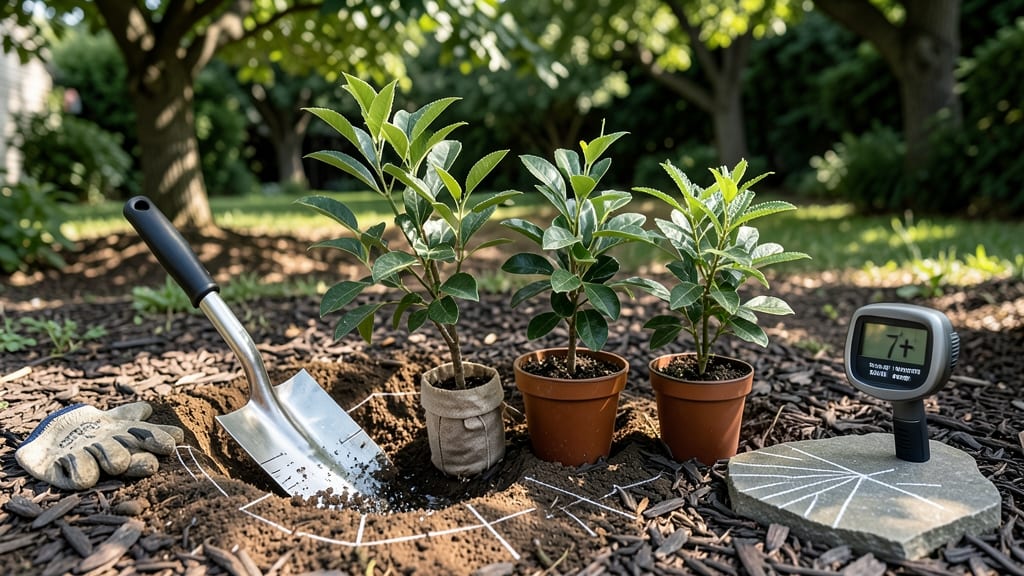
Timing your fruit trees 🍎 planting in South Africa isn’t just about following a calendar—it’s about outsmarting frost, heat, and regional quirks to give your trees the strongest start. In the wrong season, even the hardiest varieties can struggle, leaving you with stunted growth or worse, failed crops.
The key? Understanding how your local climate—whether it’s the coastal breeze of Cape Town or the inland warmth of Johannesburg—dictates the perfect window.
Most gardeners know winter is ideal, but did you know citrus thrives when planted before the first frost, while stone fruits need cooler soil to root?
I’ll break down the exact months that work best for your region, so you can avoid common pitfalls like planting too late in summer when roots can’t establish before the heat hits. Let’s dive into the science behind these timelines and how to adjust for your specific microclimate.
What you’ll discover is that the best months aren’t one-size-fits-all—coastal areas might plant earlier than inland spots, and frost-sensitive trees like avocados need extra care. We’ll cover soil prep, watering tricks, and even how to protect young roots from unexpected cold snaps.
By the end, you’ll know exactly when to dig that hole and how to set your trees up for years of bountiful harvests.
Ready to turn your orchard dreams into reality? Let’s get started with the game-changer planting schedule tailored to South Africa’s diverse zones—so your fruit trees grow strong, healthy, and full of potential from day one.
Best planting months for fruit trees in South Africa by region (with frost & rainfall guidance)
South Africa’s diverse climate means there’s no one-size-fits-all answer for planting fruit trees. The best months depend on your region’s rainfall pattern—whether you’re in Summer Rainfall (e.g., Gauteng, Mpumalanga) or Winter Rainfall (e.g., Western Cape) zones.
Even subtropical coastal areas (like KwaZulu-Natal) have unique timing needs to avoid frost damage or summer stress.
For most fruit trees, the ideal window is late winter to early spring (August–September), when soil is warm but frost risks are low.
However, citrus trees (like oranges and lemons) thrive when planted in spring (September–November), while stone fruits (peaches, plums) prefer cooler winter planting (June–July) to establish roots before summer heat.
Here’s a quick breakdown of optimal planting months by region, including frost risks and rainfall considerations:
In Summer Rainfall regions, like Johannesburg, planting in August–September gives trees time to establish roots before the rainy season. Meanwhile, Winter Rainfall areas (e.g., Cape Town) benefit from March–April planting to align with the start of the rainy season.
For subtropical zones, like Durban, spring planting avoids summer’s intense heat and humidity.
Frost is the biggest enemy of young fruit trees. In frost-prone areas (e.g., Highveld), delay planting until after the last frost date—typically mid-July for Johannesburg or late August in Cape Town. Use frost cloths or mulch heavily if planting earlier.
Soil temperature matters too. Most fruit trees need soil at least 15°C (59°F) for root growth. In cooler regions, wait until soil warms in September. A simple trick: press your hand into the soil—if it’s warm to the touch, it’s ready for planting.
Rainfall patterns also dictate timing. In Winter Rainfall zones, planting in spring ensures trees get consistent moisture. In Summer Rainfall areas, avoid planting during peak rains (Dec–Feb) to prevent waterlogged soil, which can suffocate roots.
For citrus trees, like navel oranges, September–November is ideal—they thrive in warm soil and hate frost. Stone fruits (peaches, plums) prefer winter planting (June–July) to establish roots before summer’s heat. Subtropical fruits, like mangoes and avocados, do best in spring (September–October) when temperatures are mild.
Pro tip: Check your local agricultural extension office for frost dates and soil temperature data. In South Africa, the SA Weather Service provides regional frost forecasts—use them to time your planting perfectly. 🌱
How to adjust planting timing for specific fruit tree types (citrus vs. stone fruits vs. subtropical)
Not all fruit trees thrive on the same planting schedule in South Africa. Citrus like oranges and lemons need completely different timing than frost-sensitive peaches or mangoes. I’ve planted everything from avocados to plums, and the biggest mistake I see?
Treating all trees equally. Let’s break down the ideal windows for each type so you can avoid common pitfalls like root shock from summer heat or frost damage in winter.
For citrus trees (like lemon or orange varieties), the golden window is late winter to early spring—think August to September. These trees hate frost, so planting too early risks young roots freezing.
I once planted a navel orange in June, and while it survived, its growth was stunted for two full years. The key is to get roots established before the first frost, which typically hits in July for most regions.
Stone fruits like peaches, plums, and nectarines are a different story. They actually prefer cooler soil for root development, so winter planting (June to August) works best. These trees need chill hours to set fruit properly, and planting in spring can lead to poor flowering. Pro tip: If you’re in a high-altitude area (like Drakensberg), push planting to July-August to avoid early heat stress.
🍊 Citrus vs. Stone Fruits vs. Subtropical: Planting Pros & Cons
- ✅ Pros: Fast root growth in mild temps
- ✅ Pros: Year-round harvest potential
- ❌ Cons: Frost kills young trees
- ❌ Cons: Needs well-draining soil
- ✅ Pros: Thrives in cooler climates
- ✅ Pros: Needs chill hours for fruiting
- ❌ Cons: Poor growth in summer heat
- ❌ Cons: Susceptible to bacterial spot
- ✅ Pros: Loves warmth and humidity
- ✅ Pros: Fast growth in coastal areas
- ❌ Cons: Frost-sensitive—never plant in winter
- ❌ Cons: Needs rich, sandy soil
Subtropical fruits like mangoes and avocados are the most finicky—plant them too early, and frost will kill them; too late, and summer heat stresses young roots. The sweet spot is September to November, when soil is still warm but not scorching. In KwaZulu-Natal, I’ve seen mango trees planted in October thrive, while those planted in December struggled with root rot from overwatering in the heat.
Here’s a critical tip for all trees: Soil temperature matters more than air temperature. Use a soil thermometer—ideal planting soil should be between 15°C and 25°C. For citrus, aim for 20°C+; for stone fruits, 10°C-15°C is perfect.
I once planted a peach tree in 30°C soil, and it took 6 months to recover. Don’t make that mistake!
Finally, post-planting care varies by type. Citrus needs regular watering but hates soggy roots; stone fruits benefit from mulching to retain moisture; and subtropicals thrive with drip irrigation to mimic their natural rainfall patterns. Tailor your approach, and your trees will reward you with years of harvests.