
Trees
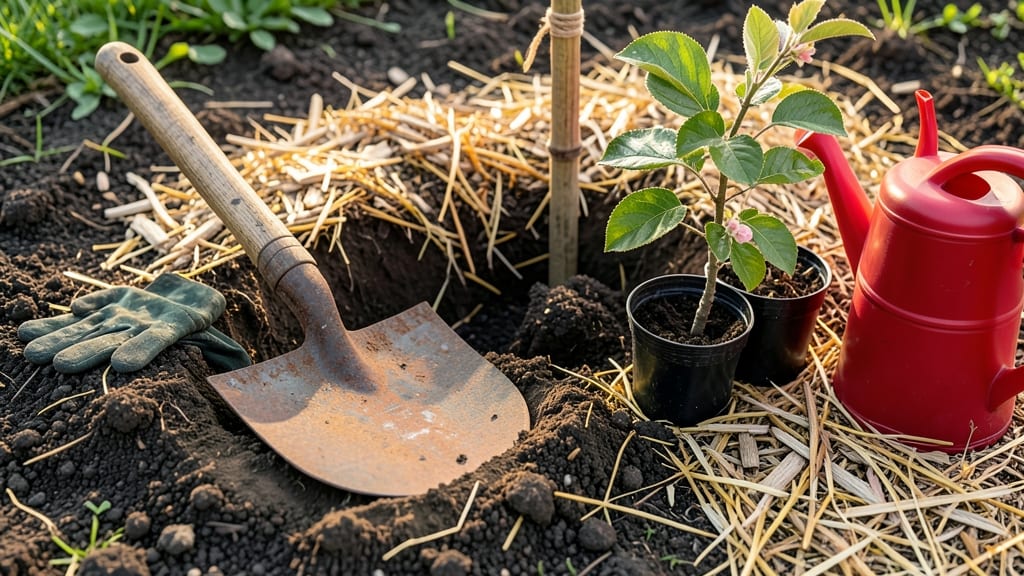
Timing your fruit trees 🍎 planting in Zone 5 could mean the difference between a thriving orchard and a lost investment. One wrong move—like planting too early when frost looms—can stunt growth or worse, kill your young trees before they even take root.
Here’s the secret: Zone 5’s short growing season demands precision. Whether you’re planting in early spring or fall, the goal is the same—giving roots time to establish before winter’s chill sets in.
I’ll break down the exact windows, frost risks, and how to pick the perfect spot for your trees to flourish.
You’ll learn why April to May is ideal for spring planting (and how to time it past the last frost), plus why early fall can work too—without the guesswork. Plus, I’ll share which cold-hardy varieties thrive in 5a-5b climates so you can skip the trial-and-error.
Ready to set your fruit trees up for success? Let’s dive into the best months to plant—and the mistakes that could derail your harvest before it even starts.
Best planting months for fruit trees in Zone 5 (with frost timing guide)
Zone 5 gardeners face a tricky balance: plant fruit trees too early, and late frosts can kill tender shoots; too late, and roots won’t establish before winter.
The sweet spot? Early spring (April-May) or early fall (September-October), when soil temperatures hover between 40°F and 60°F—ideal for root growth without frost risk.
In Zone 5, the last average frost date is around May 10, while the first frost typically arrives by October 10. These dates create a 150-day growing window—just enough time for roots to establish before winter dormancy.
But timing varies by region: Northern Zone 5 (5a) has shorter windows than Southern Zone 5 (5b).
Bare-root trees are best planted in early spring (March-April) when they emerge from dormancy, or in early fall (September-October) to allow root growth before frost. Container-grown trees offer more flexibility but still thrive when planted in these windows.
| Planting Window | Best For | Soil Temp | Frost Risk | Root Growth |
|---|---|---|---|---|
| Early Spring (March-April) | Bare-root trees, dormant planting | 40°F–50°F | High (late frosts) | Moderate (roots wake slowly) |
| Late Spring (May) | Container-grown trees, post-frost | 50°F–60°F | Low (after last frost) | Strong (optimal growth) |
| Early Fall (September) | Bare-root trees, root establishment | 50°F–60°F | Moderate (early frosts) | Excellent (6+ weeks before frost) |
| Late Fall (October) | Container-grown trees, riskier | 40°F–50°F | High (frost imminent) | Slow (limited time) |
For apples and pears, late spring (May) is ideal—they tolerate cooler soils and establish quickly. Peaches and plums, however, prefer early fall planting to avoid late-spring frosts that damage blossoms. Cherries are finicky: plant them in early spring to ensure roots establish before summer heat.
Zone 5’s microclimates matter. Trees near lakes or south-facing slopes may handle early spring planting by March 15, while valley gardens should wait until after May 10. Check your local USDA frost map or ask your local Cooperative Extension for precise dates.
Pro tip: If planting in fall, aim for 6–8 weeks before frost. This gives roots time to grow but avoids winter stress. For spring planting, don’t rush—wait until soil temperatures rise above 50°F to prevent root rot.
Container-grown trees are more forgiving and can be planted year-round except winter. They’re perfect for late summer (August) if you miss the spring/fall windows. Just water deeply after planting to reduce transplant shock.
Remember: Root growth > top growth in Zone 5. Prioritize planting when roots can establish before the first hard frost—your tree’s long-term health depends on it. 🌳
Best planting months for fruit trees in Zone 5 (with frost timing guide)
Zone 5’s short growing season means you have just two prime windows to plant fruit trees: early spring (April–May) and early fall (September–October). These timings give roots time to establish before winter’s chill or summer’s heat stress.
I’ll explain why these months work best—and how to avoid the pitfalls of planting at the wrong time.
For spring planting, aim for after your last frost date (typically mid-April to early May in most of Zone 5). This ensures young roots aren’t shocked by late frosts.
In the fall, plant 6–8 weeks before the first frost (usually by mid-Septembersoil warmth and moisture availability—critical for root growth.
Average last frost dates in Zone 5 vary by region:
- Northern Zone 5 (e.g., Chicago, Minneapolis): May 10–20
- Southern Zone 5 (e.g., Cincinnati, Pittsburgh): April 15–May 5
Check your local USDA Plant Hardiness Zone Map for precision.
| Planting Window | Best For | Soil Temp | Frost Risk | Root Establishment |
|---|---|---|---|---|
| Early Spring (April–May) | Bare-root trees, container-grown | 40–50°F (4–10°C) | Low (after last frost) | 6–8 weeks before summer heat |
| Early Fall (Sept–Oct) | Bare-root, container-grown | 50–60°F (10–15°C) | Moderate (6–8 weeks before frost) | 4–6 weeks before dormancy |
Fall planting is often underused but ideal for Zone 5 because it reduces transplant shock—trees establish roots before summer’s heat. However, avoid planting in late fall (November+), as roots won’t have time to harden off before winter.
For container-grown trees, you can plant year-round (except winter), but bare-root trees need soil temps above 40°F (4°C).
If you miss these windows, don’t panic—container-grown trees can be planted in June or August, but they’ll need extra watering and shade cloth to reduce stress. Just avoid planting in winter (December–February), when frozen soil prevents root growth.
For dwarf varieties (like Honeycrisp apples), timing is even more critical—their smaller root systems need optimal conditions to thrive.
Ready to pick your perfect planting month? Start by checking your local frost dates, then choose April–May for spring or September for fall. With the right timing, your fruit trees will reward you with decades of harvests—starting as early as next summer! 🍎