Planting
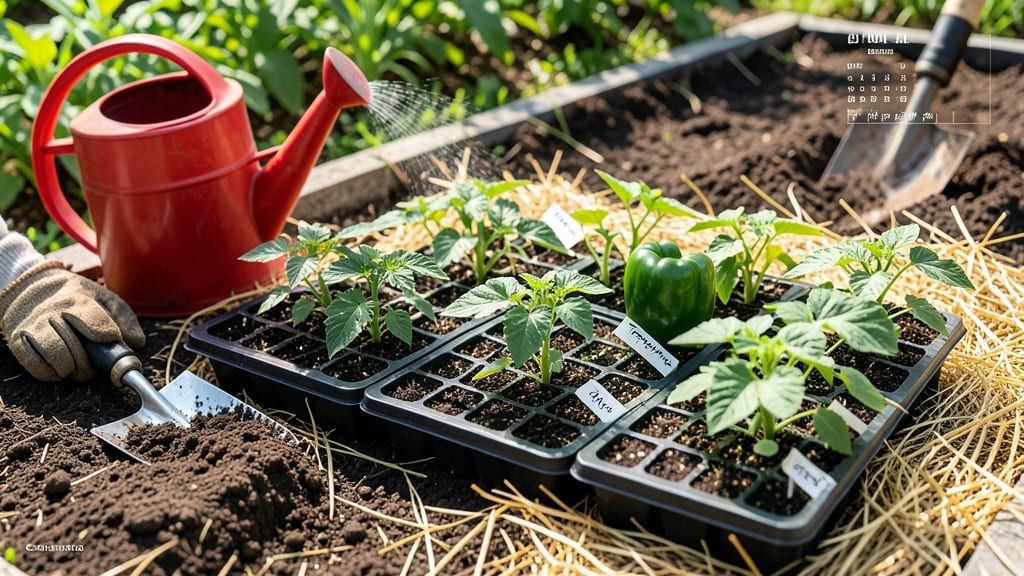
Timing your garden in Georgia isn’t just about throwing seeds in the dirt—it’s about knowing exactly when to plant to beat the heat, avoid frost, and maximize your harvest.
With USDA zones 7a-8b and 210 frost-free days, you’ve got a long growing season, but planting too early or late can turn your green thumb into a frustrated sigh.
Most gardeners in Georgia focus on two key windows: late February through early April for spring and late August to early October for fall. But here’s the catch—your exact deadlines depend on whether you’re in the Piedmont, Coastal Plain, or Mountains.
Miss the window, and you might end up with bolting lettuce or stunted tomatoes.
I’ll break down the perfect planting schedule for your zone, including when to start seeds indoors, direct-sow warm-season crops, and prep your soil for fall planting. No more guessing—just data-backed deadlines to turn your garden into a thriving oasis.
Ready to stop second-guessing and start growing? Let’s dive into the exact months you should be planting in Georgia, so you can enjoy fresh veggies from spring through fall—without the stress.
Georgia planting deadlines by hardiness zone: spring vs fall schedule
Georgia spans USDA hardiness zones 7a through 8b, creating distinct planting windows across the state. The Coastal Plain (7b-8a) enjoys longer frost-free seasons, while the Piedmont (7a-7b) and Mountains (7a) face earlier frosts. Knowing your exact zone helps avoid frost damage or wasted effort on early starts.
For most of Georgia, the last spring frost typically occurs around March 15, but this shifts to March 1-31 depending on elevation. Urban areas like Atlanta often see later frosts than rural zones. Similarly, the first fall frost arrives between November 1-15, with mountainous regions freezing sooner.
Your planting success hinges on these dates: cool-season crops (like lettuce and broccoli) thrive when planted 4-6 weeks before last frost, while warm-season crops (tomatoes, peppers) need soil temperatures above 60°F—usually 2-4 weeks after last frost. Fall planting follows the reverse timeline.
| Zone & Region | Last Frost Date | First Frost Date | Spring Planting Window | Fall Planting Window |
|---|---|---|---|---|
| 7a (Mountains: Blue Ridge) | March 1-15 | October 31-Nov 15 | Feb 15-Apr 15 | Aug 15-Sep 15 |
| 7b (Piedmont: Atlanta) | March 15-31 | Nov 1-15 | Feb 28-Apr 30 | Aug 1-Sep 30 |
| 8a (Coastal Plain: Savannah) | March 15-Apr 15 | Nov 15-Dec 15 | Feb 1-Apr 15 | Aug 15-Oct 15 |
| 8b (South GA: Valdosta) | March 30-Apr 30 | Dec 1-15 | Feb 15-May 15 | Aug 30-Oct 31 |
Urban gardeners in Atlanta or Athens (zone 7b) should aim for late February to early April for spring planting, while Savannah gardeners (zone 8a) can start as early as mid-February.
The key is soil temperature: Use a soil thermometer to confirm it’s above 60°F before planting warm-season crops like tomatoes or peppers.
For fall planting, prioritize cool-season crops like kale, spinach, and carrots between August and September. These thrive in cooler temps and can handle light frosts. In zone 7a, stop planting by September 15 to avoid frost damage, while zone 8b gardeners can extend until October 15.
Microclimates matter! South-facing slopes warm up faster in spring, while low-lying areas hold frost longer. Adjust your schedule by 1-2 weeks if your garden sits in an unusual spot. Always check local Almanac frost predictions for the most accurate dates.
Pro tip: Use frost cloth to protect tender seedlings if an unexpected frost threatens. This buys you 2-3 extra weeks of planting time in spring or fall—critical for heat-loving crops like okra or sweet potatoes that need long, warm seasons.
Remember: Succession planting every 2 weeks after your initial window keeps your harvests steady. For example, plant bush beans in March, April, and May for continuous yields through summer.
🌱
Georgia planting deadlines by hardiness zone: spring vs fall schedule
Georgia spans USDA zones 7a-8b, which means your planting deadlines can shift by weeks depending on whether you’re in the Coastal Plain, Piedmont, or Mountains.
The last average frost date typically falls around March 15 in most areas, but mountain regions can see frost as late as April 15. Conversely, the first frost usually arrives around November 15, with colder zones hitting frost earlier.
For spring planting, start cool-season crops like lettuce and peas 4-6 weeks before your last frost date. Warm-season crops—think tomatoes and peppers—can’t tolerate frost, so wait until after April 15 in most zones (or May 1 in the mountains).
Fall planting follows a similar logic: warm-season crops like sweet potatoes need to go in by late July, while cool-season crops like kale can handle light frosts and can be planted until mid-October.
Here’s a quick breakdown of your zone-specific deadlines to avoid common mistakes like bolting greens or stunted summer crops.
| Zone/Region | Last Frost Date | Spring Planting Window | Fall Planting Window |
|---|---|---|---|
| Coastal Plain (8a-8b) | March 1-15 | Feb 15 - Apr 15 | Aug 15 - Oct 15 |
| Piedmont (7b-8a) | March 15-30 | Mar 1 - Apr 15 | Aug 1 - Oct 1 |
| Mountains (7a) | April 1-15 | Mar 15 - May 1 | Jul 15 - Sep 15 |
Urban gardens in cities like Atlanta or Savannah often experience heat islands, meaning soil warms up faster in spring. Test your soil temperature with a soil thermometer—most vegetables need 60°F+ soil to thrive.
If you’re in a cooler microclimate (like the Blue Ridge Mountains), push warm-season crops like okra or sweet potatoes into the ground by late May to avoid early frost risks.
For fall planting, focus on cool-season crops like broccoli and carrots. These can handle light frosts and even taste sweeter after a light freeze. Plant them 8-10 weeks before your first frost—so if frost hits November 15, aim for September 1 in most zones.
In the mountains, this window shrinks to July 15-September 15 due to earlier frosts.
Pro tip: Use row covers to extend your fall harvest by 2-3 weeks. They protect tender crops like spinach or radishes from unexpected cold snaps, giving you fresh greens well into December in milder zones like the Coastal Plain.