Planting
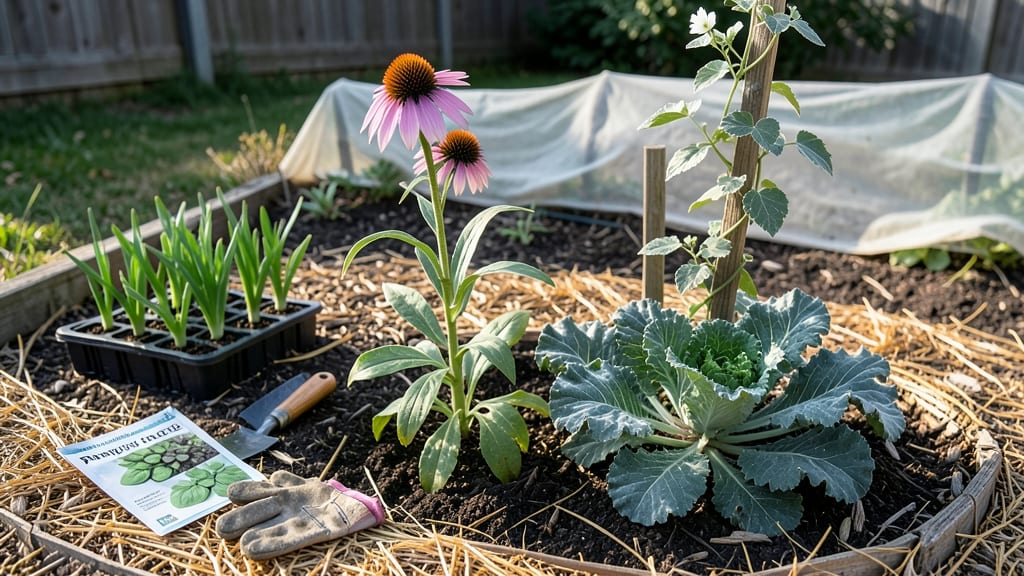
Timing your garden planting in Minnesota isn't just about following a calendar—it's about beating the frost while making the most of your 120-160 frost-free days.
Too early, and your tender 🌱 seedlings could turn into sad, crispy souvenirs. Too late, and you’ll miss out on bountiful harvests before winter sets in.
I’ve spent years watching Minnesota’s weather shift from snow to sunshine, and I’ve learned the key is knowing your exact zone—whether you’re in Minneapolis’s 4b or Duluth’s cooler 4a.
The last frost typically arrives between May 10-25, but waiting until soil warms to 50°F is even smarter than relying on dates alone.
This guide breaks down the zone-specific deadlines you need to avoid frost risk while maximizing your garden’s potential. From cold-hardy peas to heat-loving tomatoes, I’ll show you how to align your planting with Minnesota’s unpredictable but rewarding growing season.
Ready to turn your garden dreams into reality? Let’s dive into the exact windows, tools, and tricks that’ll help you plant with confidence—no more guessing games.
Minnesota planting zones and last frost dates by region
Minnesota spans USDA zones 3-5, meaning frost can linger well into May in northern areas while southern regions see earlier thawing. The average last frost date ranges from May 10 in southern MN to May 25 in the north.
To avoid frost damage, use the 10-day rule: plant after your region’s last frost date plus 10 days to account for temperature fluctuations.
Your exact planting window depends on your location. Southern MN (zone 4b-5a), like Rochester or Winona, typically has earlier frost-free dates (late April–early May), while northern MN (zone 3b-4a), including Duluth or Brainerd, often waits until mid-May.
Urban areas like Minneapolis may experience microclimates with slightly later frosts due to heat retention.
Here’s how to find your exact frost dates: Check the National Weather Service or local University of Minnesota Extension resources. For example, Minneapolis averages May 15, while Duluth averages May 22. Always verify with 3-5 years of historical data to account for climate variability.
🌱
| Region | USDA Zone | Avg. Last Frost | Safe Planting Window | Notes |
|---|---|---|---|---|
| Southern MN (Rochester, Winona) | 4b-5a | May 10–15 | Late April–early May | Warmest zone; earliest for heat-lovers like tomatoes. |
| Twin Cities (Minneapolis, St. Paul) | 4b-5a | May 15–20 | Mid-May | Urban heat islands may delay frost by 3–5 days. |
| Central MN (St. Cloud, Brainerd) | 4a-4b | May 20–25 | Late May | Cooler nights; extend season with row covers. |
| Northern MN (Duluth, International Falls) | 3b-4a | May 25–June 1 | Early June | Shortest season; prioritize cold-hardy crops. |
🌡️ Pro Tip: Add 10 days to your last frost date for zero frost risk.
For perennials and shrubs, plant in early spring (April) or early fall (September) when soil is workable but not frozen. Trees and woody plants benefit from established roots before winter, so avoid late-season planting. If you’re unsure, use mulch to protect roots during late frosts.
Soil temperature matters just as much as air temperature. Most vegetables need soil at 50°F+, while cool-season crops (spinach, peas) tolerate 40°F+. Use a soil thermometer to confirm readiness—planting too early in cold soil stunts growth.
In northern MN, wait until June 1 for heat-loving plants like peppers.
Extend your season with row covers or cold frames. These can push planting dates 2–3 weeks earlier by trapping heat. For example, in Duluth, you might plant spinach in early April under a cover, while tomatoes wait until late May.
Always remove covers during the day to prevent overheating.
🌿
How to calculate your exact planting window for zero frost risk
Calculating your exact planting window in Minnesota isn’t about guessing—it’s about using three key metrics: historical frost dates, soil temperature, and your local microclimate.
I’ve planted gardens in Zone 4a and Zone 5b, and I can tell you that ignoring these factors means risking frost damage or missing your harvest window entirely.
Start by checking your average last frost date, which ranges from May 10 in southern MN to May 25 in the north. But here’s the catch: frost can linger for weeks after the average date.
That’s why I use the 10-day rule—waiting 10 days after the average last frost before planting tender crops like tomatoes or peppers.
Soil temperature is just as critical as air temperature. Most vegetables need soil to warm to at least 50°F before planting. Use a soil thermometer to check—if it’s cooler, your plants will struggle to germinate or may rot.
I’ve seen seedlings fail to sprout when planted in 45°F soil, even if the air felt warm.
🌱
Check the USDA Plant Hardiness Zone Map for your area. Add 10 days to the average last frost date for a safer planting window.
Use a soil thermometer to confirm temperatures are 50°F+ for most vegetables. Wait if it’s cooler.
Urban areas (like Minneapolis) warm up faster than rural spots. Observe your yard for 3+ years to spot frost pockets.
Extend your season by 2-4 weeks with lightweight covers. Perfect for peppers, eggplants, and basil.
Spinach, peas, and lettuce tolerate 32°F+ and can go in 2-4 weeks before the last frost.
Microclimates play a huge role in Minnesota’s gardening success. For example, Minneapolis’s urban heat island can be 5-10°F warmer than nearby rural areas, allowing earlier planting. Conversely, Duluth’s proximity to Lake Superior means later frost dates.
I always scout my yard for frost pockets—low spots where cold air settles—and avoid planting tender crops there until late May.
If you’re still unsure, use a frost-free calculator (like the one from the Old Farmer’s Almanac) to input your zip code. It’ll give you a customized planting window based on local data. I’ve used this tool for years, and it’s saved me from multiple frost-related disappointments.
For extra protection, consider starter plants instead of direct sowing. They’re more resilient and can handle a few degrees of chill better than seedlings.
And if you’re planting in late May or early June, focus on heat-loving crops like tomatoes, peppers, and cucumbers—these thrive in Minnesota’s shorter but warmer summer days.
💧 Remember, the goal is zero frost risk while maximizing your growing season. With these steps, you’ll know exactly when to plant—no more guesswork, just confident gardening.