
Planting
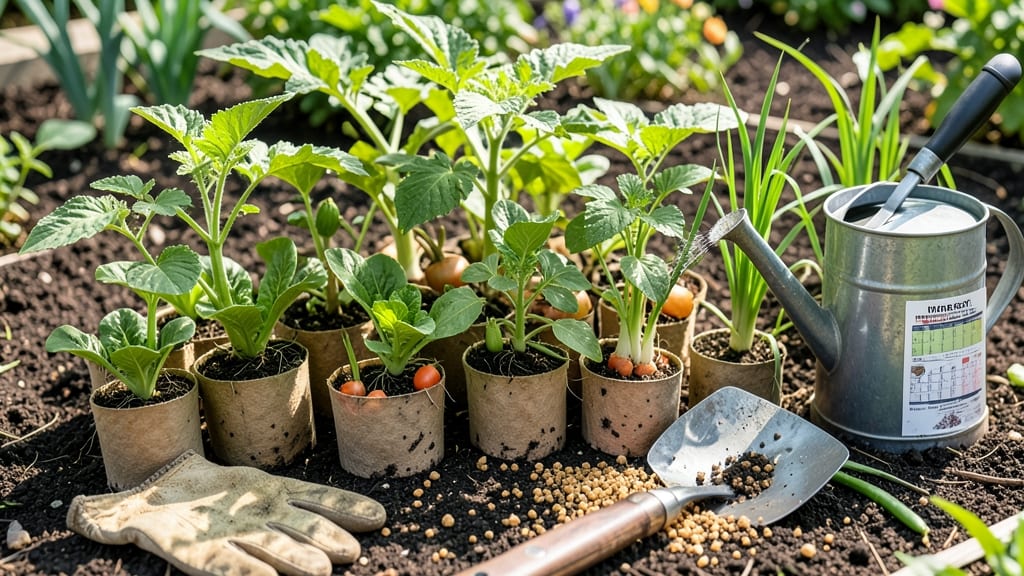
Timing your garden planting in Nebraska can feel like playing a high-stakes game of chance—one wrong move, and your 🌱 could freeze, bolt, or wither before it even takes off.
But here’s the good news: with the right schedule, you can beat Nebraska’s fickle weather and grow a thriving garden whether you’re in Omaha’s Zone 5b or the cooler reaches of Zone 4b.
Most gardeners know spring is the time to start, but the exact dates matter more than you think. Plant too early, and a late frost will turn your seedlings into sad, crispy snacks. Plant too late, and you’ll miss the sweet spot for warm-season crops like tomatoes and peppers.
I’ll break down the perfect windows—from cool-season greens in March to heat-loving veggies in June—so you never guess again.
This isn’t just about throwing seeds in the dirt and hoping for the best. Nebraska’s climate demands strategy: knowing when to harden off transplants, adjusting for urban heat islands, and even planning for fall planting.
Whether you’re a first-time gardener or a veteran with a few failed batches under your belt, these insights will help you maximize your harvest without the trial-and-error frustration.
Ready to stop second-guessing and start growing with confidence? Let’s dive into the exact dates, soil prep tips, and crop-by-crop advice that’ll turn your Nebraska garden into the envy of the neighborhood—no matter what Mother Nature throws your way.
Nebraska planting dates by hardiness Zone: exact weeks for success
Nebraska spans USDA Hardiness Zones 4a-5b, meaning frost dates vary dramatically between western plains and eastern regions. For example, Omaha (Zone 5b) typically enjoys 180 frost-free days, while Kearney (Zone 4b) averages just 140 days.
These differences dictate your planting windows—cool-season crops like spinach or peas thrive in early spring, while tomatoes and peppers need warm soil (60°F+) to germinate.
Your first step: Calculate your average last frost date for your area. In Omaha, this falls around April 15-20, while Lincoln sees it 2-3 days earlier.
Use these dates as your baseline—most warm-season crops should wait until 2 weeks after your last frost, while cool-season crops can often handle light frosts.
Here’s how Nebraska’s zones break down for spring planting:
| Zone | Last Frost (Avg.) | Cool-Season Start | Warm-Season Start | Frost-Free Days |
|---|---|---|---|---|
| 4a (Western NE) | May 5-10 | March 15-April 1 | May 15-20 | 140 |
| 4b (Central NE) | April 25-May 1 | March 1-April 15 | May 1-10 | 150 |
| 5a (Eastern NE) | April 15-20 | March 15-April 1 | April 25-May 5 | 160 |
| 5b (Omaha/Lincoln) | April 10-15 | February 28-April 1 | April 20-May 1 | 180 |
For fall planting, Nebraska gardeners can extend seasons by planting cool-hardy crops like kale, radishes, or spinach 6-8 weeks before your first frost (typically October 10-20). Use row covers to push harvests even later—some gardeners in Zone 5b successfully grow garlic and onions into November.
Pro tip: Soil temperature matters more than air temperature. Use a soil thermometer to confirm 50°F+ for cool-season crops and 60°F+ for warm-season crops. In Nebraska’s sandy soils, this often means waiting 1-2 weeks longer than in loamy eastern regions.
Don’t overlook microclimates. Urban areas like Omaha may have 5-7°F warmer microclimates due to pavement, while rural western Nebraska can experience earlier frosts. Observe your yard for 3+ years to refine your planting dates—what worked in 2022’s mild spring may fail in 2023’s late frost.
If you’re new to Nebraska gardening, start with slow-growing crops like peas, lettuce, or carrots to test your soil and timing. These tolerate cooler temperatures and give you flexibility if frost strikes unexpectedly.
For high-value crops like tomatoes or peppers, consider starting seeds indoors 6-8 weeks before your last frost date.
Remember: Nebraska’s wind speeds can dry out seedlings quickly. Use windbreaks or straw mulch to protect young plants until they establish roots. This simple step can mean the difference between thriving transplants and wilted failures.
For a foolproof approach, pair your planting dates with Nebraska’s moon phases. Planting cool-season crops during the waxing moon (growing phase) and warm-season crops during
Best crops to plant in Nebraska by month: a month-by-month guide
Nebraska’s growing season varies dramatically from cool, wet springs to hot, dry summers. To maximize your harvest, align your planting with the moon phases and soil temperatures.
March kicks off with peas and spinach, while July is prime for tomatoes and peppers—but only after the last frost.
Use this month-by-month guide to plan your garden. Soil thermometers are your best friend—most warm-season crops need soil temps of 60°F+ to thrive. For example, squash and cucumbers should wait until May when nights stay above 50°F consistently.
🌱 March: Plant hardy greens (kale, lettuce) and root crops (carrots, radishes). Soil temps should be 40°F+. Avoid planting warm-season crops like beans—they’ll bolt in the cold.
🌿 April: Transition to cool-tolerant crops (peas, broccoli) and prep beds for warm-season starters (tomato seedlings indoors). Wait until mid-April for onions and potatoes when frost risk drops below 20%.
🌞 May: The golden month for planting! Direct-sow corn, beans, and squash once soil hits 60°F. Use row covers for early tomatoes if nights dip below 55°F. This is also the time for herbs like basil—they hate cold snaps.
Nebraska Planting Calendar
- 🌱 March: Peas, spinach, radishes (soil 40°F+)
- 🌿 April: Broccoli, carrots, potatoes (frost risk <20%)
- ☀️ May: Corn, beans, squash (soil 60°F+)
- 🌞 June: Tomatoes, peppers, cucumbers (last frost past)
- 🌻 July: Succession plant lettuce, beans (hot weather)
- 🍂 August: Garlic, onions, cover crops (6 weeks before frost)
- 🍁 September: Kale, radishes, spinach (cool nights)
- 🌲 October: Garlic, winter rye (soil 50°F+)
June through August is peak planting for heat-loving crops. Tomatoes and peppers thrive in Nebraska’s summer heat but need consistent watering—drought stress leads to blossom drop. For succession planting, sow lettuce and beans every 2 weeks to avoid gluts.
Don’t overlook fall planting! September and October are ideal for garlic, onions, and cover crops like winter rye. These crops need 6-8 weeks of cool weather to establish roots before winter. Spinach and radishes also do well in fall’s mild temps.
Use moon phases to your advantage: Plant root crops (carrots, beets) during the waxing moon for deeper growth, and leafy greens (lettuce, spinach) during the waning moon for lush foliage. Nebraska’s short growing season demands smart timing—plan now for a longer harvest! 🌱