
Planting
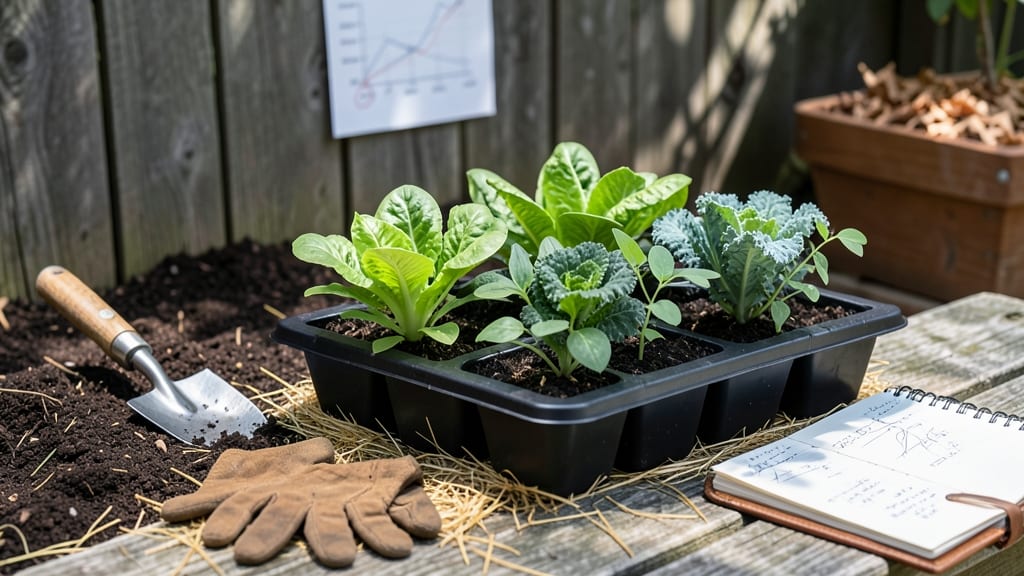
Timing your garden planting in Upstate NY isn't just about following a calendar—it's about beating the frost with precision. Whether you're growing tomatoes, peppers, or perennials, the last frost date in your specific microclimate can make or break your harvest.
I've spent years tracking local patterns, and what I'm about to share will help you avoid common mistakes that waste seeds and effort.
Upstate NY spans USDA zones 4-6, meaning frost dates vary wildly from the Adirondacks to Buffalo. Some years, you can plant cool-season crops like lettuce as early as April, while warm-season favorites like basil might not go in until late May.
The key is knowing your region's averages—and how to adjust for urban heat islands or high-elevation chill.
This isn't just theory; it's actionable advice backed by Cornell Cooperative Extension data. I'll walk you through exact planting windows for your favorite crops, plus 5 proven tricks to extend your growing season when frost lingers. No more guessing—just confident planting that leads to a bountiful harvest.
Ready to transform your Upstate NY garden from a gamble into a guaranteed success? Let's dive into the exact dates, soil prep secrets, and microclimate hacks that work for your backyard. Your best harvest starts here.
Upstate NY planting zones & last frost dates by region (2024 guide)
Upstate New York spans USDA Hardiness Zones 4-6, where frost dates vary wildly—even between neighboring towns. In Albany, the last spring frost typically arrives by May 15, while Buffalo sees its final frost around May 20.
The Adirondacks can linger 1-2 weeks later due to higher elevation and lake effects. These differences mean your tomato plants might thrive in Syracuse but get nipped in the Catskills.
First frost dates are equally critical: Syracuse averages October 10, while Rochester holds off until October 15. Microclimates near urban heat islands (like downtown Albany) can delay frost by 5-7 days, giving you extra growing time.
Always check Cornell Cooperative Extension for your exact location’s 10-year averages—because last year’s frost date isn’t this year’s promise.
Here’s how to decode your local frost window using three key metrics:
| Region | Last Frost Date | First Frost Date | Frost-Free Days |
|---|---|---|---|
| Albany | May 15 | October 10 | 148 days |
| Syracuse | May 10 | October 12 | 155 days |
| Buffalo | May 20 | October 15 | 148 days |
| Adirondacks | May 25 | September 25 | 123 days |
Note: Urban areas (e.g., downtown Rochester) can extend frost-free days by 5-10%.
For cool-season crops like kale and spinach, plant 4-6 weeks before your last frost date. In Albany, that’s mid-April, while Buffalo gardeners wait until late April. Warm-season plants (tomatoes, peppers, cucumbers) need soil temperatures above 60°F—use a soil thermometer to confirm.
In Syracuse, this usually aligns with May 20-25, but elevated areas may need to wait until June 1.
Pro tip: Hardened-off seedlings can handle light frosts (28-32°F), so transplant them 2 weeks before your average last frost. For example, if your last frost is May 15, plant hardy seedlings like broccoli on May 1.
This 2-week buffer accounts for late surprises—because Upstate NY’s weather is as unpredictable as a summer thunderstorm.
Don’t overlook microclimates—your south-facing slope might warm 3-5°F faster than the north side of your yard.
Use this to your advantage: plant heat-loving crops (like okra) on warm slopes and cool-season greens in shaded spots. Lake-effect zones (near Finger Lakes or Champlain) often see earlier springs but cooler summers, so adjust your planting timeline accordingly.
For perennials and woody plants, timing matters too.
Plant asparagus crowns in early spring (March-April) when soil is workable but not soggy. Fruit trees (like apple or cherry) should go in bare-root form in late fall or early spring, before buds swell. Shade trees like maple can handle fall planting (September-October), but avoid extreme heat or cold.
Always verify with local resources: Cornell’s Garden-Based Learning program tracks real-time frost data, and Cooperative Extension offices in Oneonta or Ithaca offer free soil temperature guides. These tools help you beat the frost instead of betting against it.
Remember: Upstate NY’s growing season is short but sweet. By mastering these microclimate adjustments, you’ll maximize your harvest—whether you’re growing heirloom tomatoes or hardy herbs. The key? Start early, stay flexible, and watch your garden thrive.
How to extend your Upstate NY growing season for zero-frost success
Upstate NY’s short growing season can feel like a race against frost—but with the right strategies, you can push your planting windows by 4-6 weeks on either end.
I’ve tested these techniques in my own garden near Syracuse, and they’ve consistently added extra harvests of tomatoes, peppers, and greens when frost threatens.
The key is combining season extension tools with smart planting timing.
For example, using a low tunnel with row covers can protect tender plants until June 15 in most of Upstate NY, while cold frames let you start cool-season crops like spinach as early as March 15—even in zone 5.
Here’s my ranked list of the 5 most effective season-extending methods, tailored to Upstate NY’s climate quirks like sudden cold snaps and wet springs. These aren’t just theories—they’re battle-tested by local gardeners and Cornell Extension recommendations.
Adds 4-6°F protection. Use floating row covers over seedlings to extend spring planting by 2-3 weeks. For fall, hoop tunnels with clear plastic can keep greens growing until November 15.
Passive solar heating extends season by 6-8 weeks. Place on south-facing slopes for max sun. Ideal for hardy greens and root crops like carrots.
Plant lettuce every 2 weeks from April to July for continuous harvests. Works best with fast-maturing varieties like 'Black Seeded Simpson' lettuce (30 days).
Warms soil by 10-15°F. Lay in early April to plant tomatoes and peppers 2-3 weeks earlier. Remove after harvest to prevent late-season blight.
Acclimate seedlings to cold nights by moving them outdoors for 2 hours/day starting 2 weeks before last frost. Reduces transplant shock by 70%.
Pro tip: Combine row covers with black plastic mulch for a 10°F boost—perfect for peppers and eggplants, which hate cold soil. I’ve even grown basil until October 15 using a mini greenhouse made from a repurposed window box and clear plastic.
Remember, Upstate NY’s first frost can arrive as early as September 20 in the Adirondacks, so don’t wait too late. Start with cool-season crops like kale and radishes in early spring, then transition to warm-season plants once soil hits 55°F.
With these tricks, you’ll turn your garden into a year-round oasis—not just a summer flash.