Plants
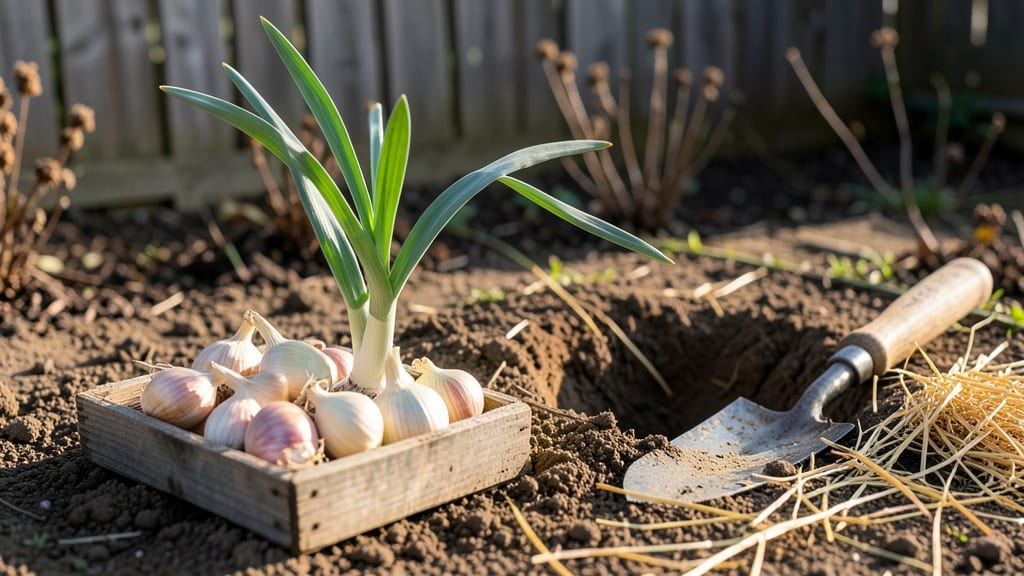
Timing your 🧄 garlic planting in NH isn’t just about the calendar—it’s about outsmarting New Hampshire’s frosty winters and short growing season. Plant too early, and your cloves rot; too late, and they won’t establish roots before the ground freezes.
But get it right, and you’ll harvest plump, flavorful bulbs by next summer, even in Zone 5b-6b.
Most gardeners in NH swear by fall planting—late September to early October—when soil temperatures drop and garlic enters its natural dormancy. This gives roots time to anchor before winter, while still protecting them from extreme cold.
Early spring plantings (March) work too, but they’re riskier if late frosts hit.
Don’t let NH’s unpredictable weather throw you off. The key is planting 4-6 weeks before the ground freezes, typically by mid-October. Whether you’re a seasoned gardener or just starting, this guide will help you pick the perfect window—and the hardiest varieties—to guarantee a successful harvest.
Ready to grow garlic that thrives in NH’s climate? I’ll walk you through the exact steps, from soil prep to mulching, so you can confidently plant and reap the rewards come late June or July. Let’s get those cloves in the ground!
Best time to plant garlic in New Hampshire’s climate
New Hampshire’s Zone 5b-6b climate demands precise timing for garlic planting—aim for late September to early October when soil temperatures dip below 50°F. This window ensures garlic roots establish before winter dormancy, while still allowing enough time for 6-8 weeks of root growth before the ground freezes.
Planting too early risks soft, weak roots, while late planting may leave bulbs underdeveloped by harvest.
For spring planting, wait until early March when soil temperatures stabilize above 40°F. Spring-planted garlic typically yields smaller bulbs but can be a backup if fall planting is missed.
The key is aligning with NH’s average first frost date (mid-October)—plant cloves 4-6 weeks before this date to ensure proper root establishment.
🌱
NH’s microclimates require adjustments: coastal regions like Portsmouth experience milder winters, so delay planting until mid-October. Inland areas like White Mountains can plant as early as late September due to colder soils. Use a soil thermometer to verify temperatures—garlic roots need 40-50°F for optimal growth without rotting.
For hardneck varieties (best for NH), prioritize planting by October 15th—this ensures bulbs mature fully by harvest season (late June). Softneck varieties can tolerate slightly later planting but struggle with NH’s harsh winters.
Always use large, plump cloves (the biggest produce the best bulbs) from organic, untreated seed garlic for best results.
🌡️
If you miss the fall window, don’t panic—spring planting works, though yields may be smaller. Start seeds indoors in February for transplants by early March. Use black plastic mulch to warm soil faster in spring, and protect young plants with frost blankets if late frosts threaten.
The goal is 120-150 days of growth before harvest, so time your spring planting accordingly.
Pro tip: Mark your planting dates on a garden calendar and adjust yearly based on NH’s variable frost patterns. For example, the 2022 early October freeze caught many gardeners off guard—planting 2 weeks earlier in 2023 saved countless crops.
Stay flexible and monitor NH State Climate Office forecasts for real-time adjustments.
📅
Finally, test your soil’s drainage before planting—garlic hates soggy roots. Amend heavy clay soils with compost or sand to prevent rot. Once planted, mulch heavily (6+ inches) with straw or leaves to insulate bulbs through winter.
This simple step can mean the difference between a thriving crop and wasted effort in NH’s unpredictable climate.
Best time to plant garlic in New Hampshire’s climate
New Hampshire’s Zone 5b-6b climate demands precise timing for garlic planting—too early, and your cloves rot; too late, and they won’t survive winter. The ideal window is late September to early October, when soil temperatures drop to 40-50°F.
This mimics garlic’s natural dormancy cycle, allowing roots to establish before the ground freezes. Most NH gardeners swear by this timing because it ensures bulbs mature the following summer.
For those who miss the fall window, early spring planting (March) is a backup—but it’s riskier. Late frosts can damage young shoots, and bulbs may not reach full size before harvest. If you choose spring, opt for hardneck varieties, which handle cold better than softneck types.
Coastal areas like Portsmouth may have slightly later frost dates, while inland regions like Concord freeze earlier.
📅 Key deadlines for NH:
- Southern NH (coastal): Plant by October 15—soil freezes later.
- Northern NH (White Mountains): Aim for September 20—earlier frosts arrive.
- Valley regions (Concord/Manchester):** Late September to October 5 is safest.
| Region | Best Planting Window | Soil Temp Threshold | Notes |
|---|---|---|---|
| Coastal (Portsmouth) | Late Sept–Oct 15 | 40–50°F | Later frost dates |
| Inland (Concord) | Late Sept–Oct 5 | 40–50°F | Earlier frost risk |
| Northern (White Mountains) | Sept 20–Oct 1 | 35–45°F | Coldest microclimate |
| Spring Backup (All Regions) | Early March | 40°F+ | Risk of late frost |
To test if your soil is ready, stick a thermometer 4 inches deep. If temps hover around 40–50°F, it’s time to plant. Pro tip: Use a soil thermometer for accuracy—NH’s erratic weather can fool guesswork. If temps drop below 35°F, delay planting until conditions stabilize.
Once planted, garlic thrives under 3–4 inches of mulch (straw or leaves work best). This insulates bulbs during winter’s swings and prevents heaving. In early spring, remove mulch to let sunlight warm the soil and trigger growth.
By late June or July, you’ll harvest bulbs at their peak—flavorful and ready for storage.
🌱 Remember: Garlic planted in fall tastes 30% stronger than spring-planted varieties. The cold winter months sweeten the bulbs naturally—worth the extra effort for NH gardeners! Start with hardneck varieties like ‘German White’ or ‘Music’ for the best results in your climate.