
Plants
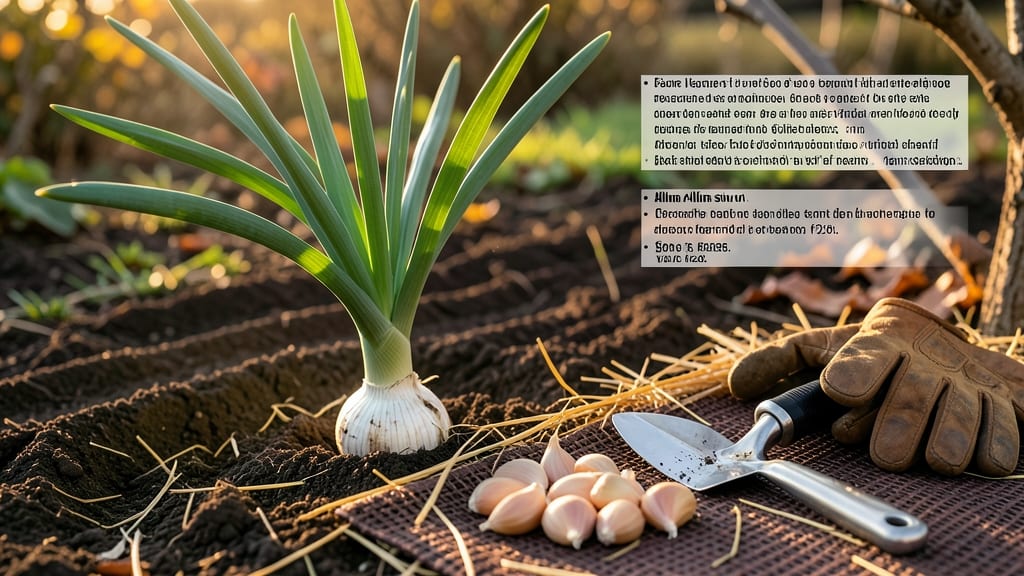
Timing your garlic planting in Pennsylvania isn’t just about the calendar—it’s about dodging frost, soil prep, and the right variety for your zone. Whether you’re in Pittsburgh’s 5b or the warmer 7a of Philadelphia, planting too early or late can mean the difference between a bountiful harvest and wasted cloves.
Most gardeners know fall is the magic window, but the exact dates matter. Hardneck varieties thrive when planted in October or November, while softnecks can stretch into December.
The key? Get those cloves in the ground 4-6 weeks before the first hard frost—that’s your ticket to robust growth and plump bulbs by summer.
Why does this matter so much? Garlic needs cold exposure to form bulbs, but too much frost can kill it. We’ll break down the best planting months for your specific zone, plus pro tips to beat Pennsylvania’s unpredictable weather. Ready to grow garlic like a local?
From soil prep to frost protection, I’ll show you how to time it perfectly—so you can harvest those golden cloves from June to July. Let’s get growing!
Best planting months for garlic in Pennsylvania by Zone
Pennsylvania’s diverse climate—spanning USDA zones 5a through 7b—means your garlic planting window depends heavily on where you live.
Most gardeners in Pittsburgh (Zone 6a) or Philadelphia (Zone 7a) should plant in October or early November, while those in colder areas like Erie (Zone 5b) may need to start as early as mid-September.
The key is planting 4-6 weeks before the ground freezes, giving roots time to establish before winter.
For hardneck garlic, which thrives in colder winters, aim for late October to early November in most of PA. Softneck varieties, better suited to milder winters, can wait until late November in Zone 7a or even early December in Zone 7b.
Soil temperatures below 40°F (4°C) signal it’s time to plant—use a soil thermometer to check!
Microclimates matter! Urban areas like Philadelphia often experience warmer winters than rural spots, so adjust your timeline accordingly. If you’re unsure, err on the side of earlier planting—garlic can handle light frosts but won’t tolerate frozen soil.
🌱
| USDA Zone | Best Planting Window | Soil Temp Trigger | Notes |
|---|---|---|---|
| 5a (Erie, State College) | Mid-Sept to Oct 15 | Below 40°F (4°C) | Hardneck preferred; risk of early freeze |
| 6a (Pittsburgh, Harrisburg) | Oct 1-31 | Below 40°F (4°C) | Ideal for both hardneck and softneck |
| 7a (Lancaster, Reading) | Oct 15-Nov 15 | Below 45°F (7°C) | Softneck performs well; extend window |
| 7b (Philadelphia, Allentown) | Nov 1-Dec 10 | Below 50°F (10°C) | Softneck best; avoid late planting |
If you miss the fall window, spring planting is possible but yields are smaller. For spring-planted garlic, use softneck varieties and sow cloves in March or early April as soon as soil is workable. This method works best in Zone 7b where winters are milder.
Pro tip: Use a planting calendar or local frost date tracker (like the Old Farmer’s Almanac) to fine-tune your timing. In Pittsburgh, average first frost is October 28, while Philadelphia sees its last frost around April 15—plan accordingly!
For gardeners in clay-heavy soils (common in central PA), amend beds with compost or sand before planting. Well-draining soil prevents rot, especially during spring thaw when moisture levels spike. Mulch with straw after planting to insulate roots and retain moisture.
🌿
Remember: Hardneck garlic needs cold winters to form bulbs, while softneck tolerates milder conditions. If you’re in Zone 5a, prioritize hardneck varieties like ‘German White’ or ‘Music’. In Zone 7b, ‘Silverskin’ or ‘Artichoke’ softnecks store longer and suit warmer microclimates.
💡
Hardneck vs. softneck garlic: which to plant and when
Choosing between hardneck and softneck garlic isn’t just about preference—it’s about matching your Pennsylvania climate and growing goals. Hardnecks thrive in colder zones like Pittsburgh (5b), while softnecks suit milder areas like Philadelphia (7a). Each type has distinct planting times, harvest windows, and even culinary uses.
Hardneck varieties, like ‘German White’ or ‘Music’, produce scape shoots (those curly stems) and need a cold winter to form bulbs. Softnecks, such as ‘Silverskin’, store longer but prefer milder winters. In Pennsylvania, hardnecks are the star—plant them in October or early November for best results.
Here’s the key difference: hardnecks need 4-6 weeks of cold to trigger bulb formation, while softnecks are more flexible. If you’re growing for storage, softnecks win. For scape harvests (great in pesto!), hardnecks are unbeatable.
For Pennsylvania gardeners, hardnecks are the clear winner in most zones. Their bold flavor and early harvests make them ideal for home cooks. But if you’re in southern PA (Zone 7a) and want garlic that lasts until next summer, softnecks are your best bet.
Pro tip: If you love garlic scapes, hardnecks are a must. Harvest them in late May or June—they’re delicious in salads or sautéed! Just leave a few scapes to feed the bulb. For softnecks, focus on bulb size and storage potential.
No matter which you choose, soil prep is critical. Work in compost and well-rotted manure before planting. And remember: shallow mulch (2-3 inches) protects cloves from freezing but lets them breathe. Happy planting!