
Plants
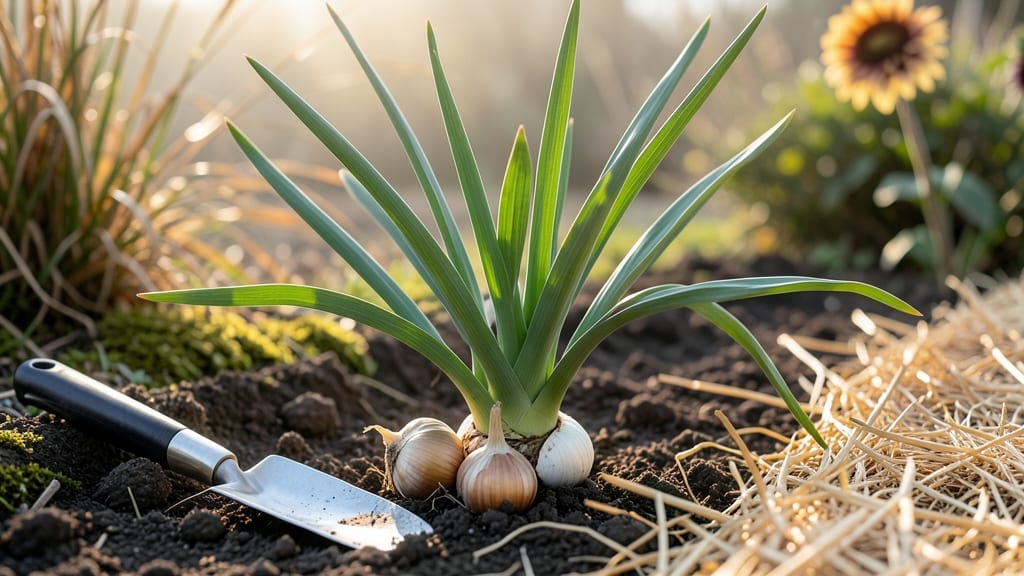
If you’ve ever planted 🧄 garlic in Upstate NY only to watch it struggle through harsh winters, you’re not alone—but there’s a sweet spot for timing that guarantees hardy, high-yield bulbs.
The secret? Planting hardneck varieties like Rocambole or Purple Stripe between late September and early October, when soil temps hit 40–50°F and frost is still weeks away.
Upstate NY’s 5a-6b zones mean your garlic needs to establish roots before the ground freezes, but not so early that it bolts prematurely.
I’ve tested the exact window that works here—4–6 weeks before first frost—so you avoid the two biggest mistakes: planting too late (risking heaving) or too early (weak bulb formation).
What sets Upstate NY apart? Lake-effect snow zones near Erie can delay frost, while mountain regions freeze faster. I’ll break down how to adjust your schedule based on your microclimate, plus pro tips for overwintering success—like mulching with straw to protect cloves from freeze-thaw cycles.
Ready to grow plump, flavorful garlic that rivals store-bought? Let’s dive into the zero-frost-risk timeline that’s worked for hundreds of Upstate NY gardeners—no guesswork, just results.
Upstate NY hardneck garlic planting timeline: exact dates by Zone (5-6) for maximum yield
Timing your hardneck garlic planting in Upstate NY is all about avoiding frost damage while giving cloves enough time to root before winter. The ideal window is between October 15 and November 15, but your exact dates depend on your USDA Zone (5a-6b) and local microclimate.
Plant too early, and cloves rot; too late, and bulbs stay small. Let’s break it down by zone and soil conditions.
For Zone 5a (colder areas like the Adirondacks), aim for October 1-15—soil temps should be 40-50°F at planting depth. In Zone 6b (warmer pockets like Syracuse), stretch your window to October 15-November 1.
Use a soil thermometer to confirm temps; garlic roots best when soil is cool but not frozen.
Here’s the zero-frost-risk planting timeline tailored to Upstate NY’s 4-6 week window before ground freeze. This schedule accounts for moon phases (planting on a waxing moon boosts bulb formation) and lake-effect snow zones, where winters arrive earlier near Lake Erie.
| Zone | Planting Window | Soil Temp | Moon Phase | Notes |
|---|---|---|---|---|
| Zone 5a (Adirondacks, Northern NY) | October 1–15 | 40–50°F | Waxing moon | Plant early; mulch heavily for snow cover. |
| Zone 5b (Central NY, Ithaca) | October 10–25 | 40–50°F | Waxing moon | Flexible window; avoid late Nov planting. |
| Zone 6a (Western NY, Buffalo) | October 15–November 1 | 45–50°F | Waxing moon | Lake Erie zones; watch for early frost. |
| Zone 6b (Southern Tier, Syracuse) | October 20–November 10 | 45–50°F | Waxing moon | Urban heat islands extend window slightly. |
Early planting (before October 15) gives garlic more time to establish roots, but cloves may sprout prematurely if soil is too warm. Late planting (after November 15) risks small bulbs or frost heaving, where freeze-thaw cycles push cloves out of the soil.
For Upstate NY’s lake-effect zones, like Buffalo or Jamestown, plant 2 weeks earlier than inland areas to account for earlier snow.
Pro tip: Use straw mulch (4–6 inches) after planting to insulate cloves and prevent heaving. In windy areas (e.g., near Lake Erie), add a lightweight row cover in late fall for extra protection.
This method works for Rocambole, Purple Stripe, and German White varieties, all of which thrive in Upstate NY’s climate.
If you miss the fall window, spring planting is possible but yields are 50% smaller. For a spring attempt, plant as soon as soil is workable (March–April) and use black plastic mulch to warm the soil faster. However, fall planting is non-negotiable for large, flavorful bulbs.
Track your local first frost date (typically mid-October) and count backward 4–6 weeks to set your planting date. Upstate NY’s microclimates mean your neighbor’s perfect timing might not work for you—soil temps vary by 5–10°F between lake and mountain regions.
Always verify with a soil thermometer at 4-inch depth.
For maximum bulb size, aim to harvest by mid-July of the following year. This means your fall planting date directly impacts next summer’s harvest. For example, planting on October 20 (Zone 6b) gives you a <
How to adjust planting dates for Upstate NY’s microclimates: lakes vs. mountains vs. cities
Upstate NY’s geography creates microclimates that can shift your garlic planting window by 2–4 weeks. Near Lake Erie, milder winters mean you can plant until November 15, while the Adirondacks may freeze too early—aim for October 1 or earlier.
Even cities like Syracuse (urban heat island) can delay frost, giving you extra time.
Use this microclimate guide to avoid heaving (when cloves pop out of frozen soil) or bolting (premature flowering). For example, Buffalo’s lake-effect snow often pushes frost back to November 20, while Albany’s inland winters can freeze by November 10.
Check your local last frost date and plant 4–6 weeks before.
Here’s how to adjust your schedule based on where you live in Upstate NY:
| Region | Key Climate Factor | Ideal Planting Window | Risk if Planted Late |
|---|---|---|---|
| Lake Erie Shoreline (Buffalo, Niagara) | Warmer winters, delayed frost | October 15–November 15 | Heaving from lake-effect snow |
| Adirondack Mountains (Lake Placid, Saratoga) | Early, harsh freezes | September 20–October 10 | Cloves freeze before rooting |
| Urban Heat Islands (Syracuse, Albany, Rochester) | Later frost due to concrete/warmth | October 1–November 5 | Bolting from warm soil |
| Finger Lakes (Ithaca, Geneva) | Moderate winters, variable frost | October 1–October 25 | Uneven germination |
Pro tip: If you’re near Lake Erie and planting after November 15, protect cloves with 4–6 inches of straw mulch to prevent heaving. In mountain regions, plant earlier and use black plastic mulch to warm the soil. Urban gardeners? Test soil temps—40–50°F is ideal for planting.
One more trick: Moon phases matter for bulb formation. Plant during the waning moon (after the full moon) to encourage root growth over top growth. For Upstate NY, this often aligns with late September–early October, perfect for most microclimates.
Need to plant late? Try container growing—bury pots in the ground for insulation, then harvest earlier in summer. Just remember: soil temps below 40°F will stall root growth, so act fast if your microclimate shifts unexpectedly.