
Plants
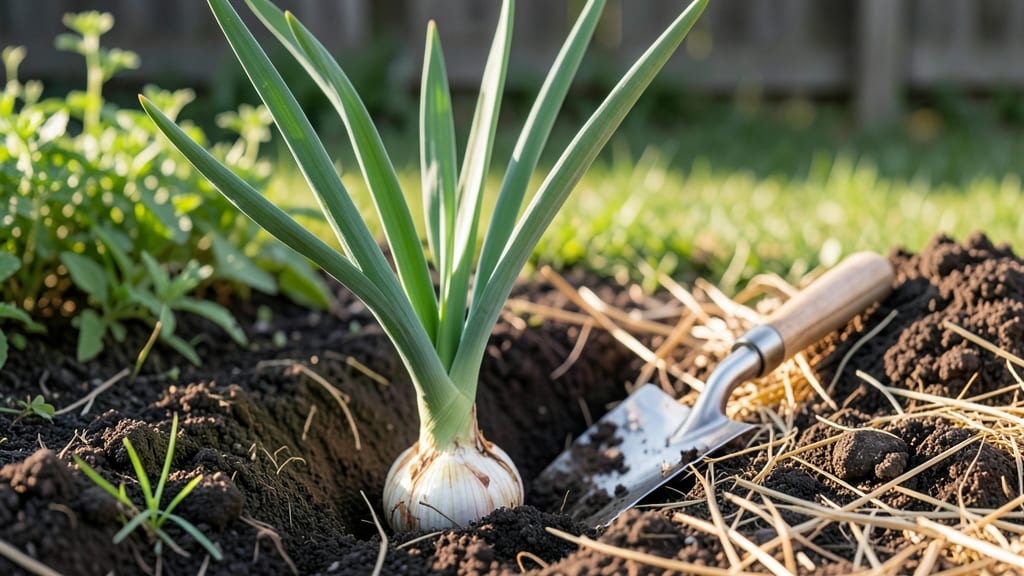
Knowing when to plant garlic in Zone 4 can make or break your harvest—especially when you're dealing with hardy varieties like 🧄 'German White' or 'Chesnok Red'. Plant too early, and frost zaps your crop before it even starts.
Too late, and your bulbs won’t mature properly by summer. The sweet spot? A narrow window where soil temps drop but the ground stays workable.
This isn’t just about throwing cloves in the dirt and hoping for the best. In Zone 4, where winters are long and frosts come early, timing is everything. You’ll want to plant 4-6 weeks before the ground freezes, usually in late October or early November.
But don’t stress if your first frost sneaks up sooner—there are tricks to adjust for your microclimate.
Why does this matter so much? Because garlic planted at the right time in Zone 4 develops strong roots before winter, then emerges in spring ready to grow bulbs. Skip this step, and you might end up with weak, stunted plants—or worse, nothing at all.
Let’s break down the exact months, soil prep, and cold-hardy varieties that thrive in your climate.
You’ll also discover how to tweak your planting schedule for early or late frosts, plus the best mulching techniques to protect your crop. By the end, you’ll have a foolproof plan to grow plump, flavorful garlic bulbs every year—no guesswork required.
Best months to plant garlic in Zone 4 for maximum yield
Planting garlic in Zone 4 requires precision—get the timing wrong, and you risk frost damage or poor bulb development. The ideal window is late fall, specifically October through November, when soil temperatures drop below 50°F (10°C) but before the ground freezes solid.
This ensures garlic cloves establish roots before winter dormancy begins.
For Zone 4 gardeners, the key is planting 4-6 weeks before the first hard frost. In most Zone 4 regions, this lands between mid-October and early November.
If you miss this window, spring planting is possible but yields may be smaller, as garlic prefers the cool-season growth cycle.
Soil temperature is critical—garlic cloves need 40-50°F (4-10°C) soil to root before winter. Use a soil thermometer to confirm readiness. If your soil is still warm, wait a few weeks to avoid rot or fungal issues.
Hardneck varieties, like 'German White' or 'Chesnok Red', thrive in Zone 4's cold winters. They form scape stalks in spring, signaling bulb maturity. Softneck varieties can also grow here but require slightly later planting to avoid winter kill.
Here’s a quick reference for your planting schedule:
| Planting Window | Soil Temp | Key Action |
|---|---|---|
| October 15–31 | 40–50°F (4–10°C) | Plant cloves 2" deep, 4" apart |
| November 1–15 | 35–45°F (2–7°C) | Add mulch (straw or leaves) after planting |
| Spring (March) | 45–55°F (7–13°C) | Emergence; thin seedlings if needed |
Spring planting is an option if you miss fall, but bulbs may be smaller and less flavorful. Plant in early spring (March) when soil warms to 45°F (7°C). Use smaller cloves (single-tooth plantings) for faster growth, though they won’t store as long as fall-planted garlic.
Adjust for early frosts by planting earlier in the month. For late frosts, use row covers or mulch to insulate cloves. Monitor your local frost dates—Zone 4’s first frost typically hits mid-October, but this varies yearly.
Pro tip: Break apart garlic bulbs into individual cloves just before planting. Use the largest cloves for bigger harvests—they’ll produce the most robust bulbs. Discard any soft or sprouted cloves to avoid disease.
After planting, mulch heavily with straw or leaves (4–6 inches deep) to protect cloves from freeze-thaw cycles. This insulation keeps soil temps stable and prevents heaving, which can uproot young plants.
Finally, mark your garlic rows with stakes or flags—it’s easy to forget where you planted them under winter snow! Come spring, you’ll thank yourself for the clear, organized beds when those first green shoots emerge.
Best months to plant garlic in Zone 4 for maximum yield
In Zone 4, the ideal planting window for garlic is narrow but critical—typically between late October and early November. This timing ensures cloves establish roots before the ground freezes, allowing them to overwinter successfully and emerge strong in spring.
For most of Zone 4, this aligns with 4-6 weeks before your first hard frost.
Why this window? Garlic needs cold stratification (a period of cold temps) to form bulbs properly. Plant too early, and frost can damage emerging shoots. Too late, and your crop won’t mature before summer heat arrives.
Think of it as a balance between soil workability and frost protection—like catching a wave at just the right moment.
🌱Pro Tip: Use your average first frost date (usually mid-October in Zone 4) as your anchor. Count backward 6 weeks to pinpoint your planting deadline. For example, if frost hits October 15th, aim for planting by September 1st.
| Planting Stage | Zone 4 Timeline | Key Conditions |
|---|---|---|
| Soil Prep | Late August - Early September | Soil temp 60-70°F, well-draining, pH 6.0-7.0 |
| Planting Window | Late October - Early November | 4-6 weeks before frost, soil workable but cooling |
| Overwintering | December - March | Mulch 4-6 inches deep; protect from rodents |
| Spring Growth | April - May | 6+ hours of sun; water deeply when soil dries |
| Harvest Ready | Mid-July - August | Lower leaves brown and dry; bulbs firm |
Spring planting is possible in Zone 4, but it’s riskier. If you miss the fall window, plant in early spring (March-April)—but expect smaller bulbs. The key difference? Fall-planted garlic undergoes natural cold stratification, while spring-planted garlic may struggle with bolting (flowering prematurely) if temps rise too quickly.
🌡️Soil Temperature Matters: Aim for 40-50°F soil temps when planting. Use a soil thermometer to check—if it’s above 50°F, wait a few days. Cold soil helps prevent rot and encourages root growth before winter.
For extended growing seasons, consider microclimates like south-facing slopes or near buildings, where soil warms faster in spring. Just be prepared to monitor for early frost risks in these spots. With the right timing, your Zone 4 garlic can rival harvests from warmer climates!