
Plants
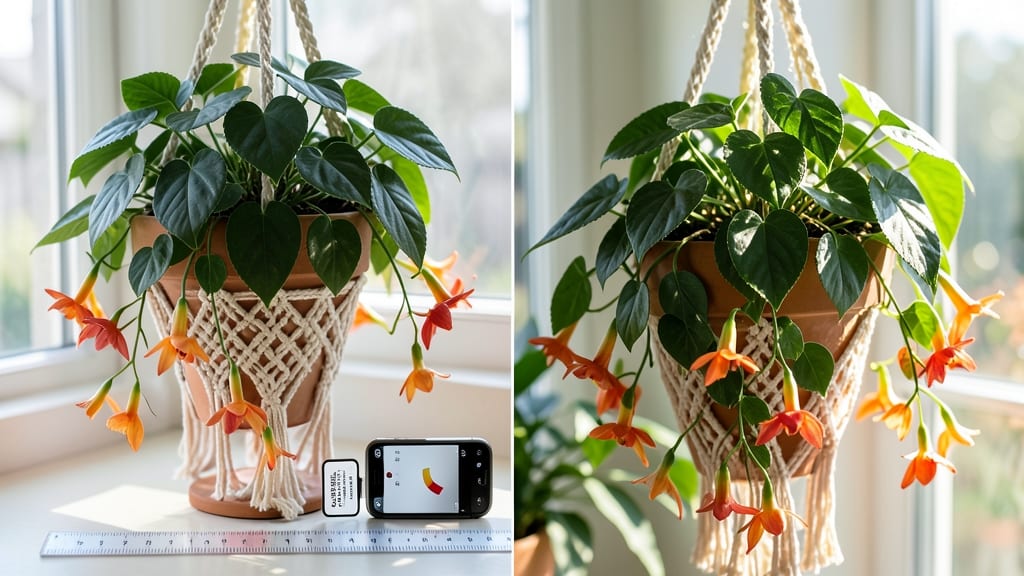
If you’re wondering how much light does a goldfish plant need, the answer might be the key to saving your plant from a slow fade. This vibrant beauty thrives on bright indirect sunlight, but too much or too little can turn its leaves into a sad, patchy mess.
You’re not alone if you’ve ever wondered, "How much light does a Goldfish Plant need?" The answer isn’t as simple as slapping it in a sunny window—it’s about finding that sweet spot where your plant gets enough glow without getting fried.
Too little light, and you’ll see leggy stems reaching for the sky like a toddler at a carnival. Too much? Crispy edges and sunburned leaves will tell the tale.
Here’s the good news: with a few tweaks, you can transform your Goldfish Plant from a struggling understudy into the star of your indoor jungle.
I’ll show you exactly where to place it—whether you’re working with an east-facing window or artificial grow lights—to keep those leaves lush and those blooms popping.
Ready to give your Goldfish Plant 🐟 the perfect light setup? Let’s dive into the secrets that’ll have it thriving in no time—no guesswork required.

Ideal light requirements for goldfish plants: bright indirect sunlight explained
Your Goldfish Plant (Columnea gloriosa) thrives on bright indirect sunlight, mimicking its natural understory habitat. Without the right light, it struggles—either stretching toward dim windows or scorching under harsh rays.
The key is finding that goldilocks zone where light is abundant but filtered, typically 4-6 hours daily of gentle illumination.
Think of an east-facing window as your plant’s sweet spot—morning sun without the intense afternoon heat. South-facing windows work too, but only if you place your plant 3-6 feet away to diffuse the light. West-facing windows? Avoid them unless you use a sheer curtain to soften the glare.
Here’s how to spot light deficiency vs. overexposure:
| Sign | Cause | Solution |
|---|---|---|
| Yellowing leaves | Too little light | Move to brighter spot or use grow lights |
| Brown crispy edges | Too much direct sun | Filter light with sheer curtains or move 2 feet back |
| Leggy, stretched stems | Insufficient light | Rotate plant weekly and supplement with artificial light |
| Pale, dull leaves | Low light intensity | Use a LED grow light 6 inches above the plant for 12 hours/day |
The goldfish plant’s vibrant foliage is a dead giveaway for proper light—deep greens with hints of red or purple indicate it’s happy. If your plant’s leaves lose their color or develop white patches, it’s begging for more light.
Pro tip: Rotate your plant quarter-turns every week to ensure even growth and prevent lopsided exposure.
For outdoor growers, place your Goldfish Plant under the dappled shade of a tree or on a porch with morning sun. Avoid harsh afternoon rays, which can bleach the leaves and cause irreversible damage. If you notice sunburnt spots, immediately move it to a shadier location.
In low-light conditions, like a north-facing window or dim office, your Goldfish Plant will survive but won’t thrive. Supplement with a fluorescent grow bulb (4000K color temperature) for 8-10 hours daily to mimic natural light cycles. Avoid incandescent bulbs—they emit too much heat and can scorch delicate leaves.
Seasonal adjustments are key: During winter months, when daylight is shorter, extend light exposure with a timer-controlled grow light. In summer, watch for sudden heatwaves—move your plant to a cooler, shaded spot if temperatures exceed 85°F (29°C).
Remember, the Goldfish Plant’s light needs are flexible but not forgiving. With the right balance, you’ll reward yourself with lush, trailing vines and showy tubular flowers that resemble tiny goldfish—hence the name! 🐟
Goldfish plant light conditions by environment: indoor vs. outdoor care guide
Your Goldfish Plant thrives in bright indirect light, but indoor and outdoor environments require different approaches. In homes, place it 2-3 feet from an east-facing window where morning sun is gentle. South-facing windows can work too, but use a sheer curtain to diffuse harsh rays—especially during peak afternoon sun.
Outdoors, these plants love dappled shade under trees or on shaded patios. Avoid direct midday sun, which can scorch delicate leaves. If growing in a greenhouse or sunroom, provide partial shade cloth (30-50% coverage) to mimic their natural forest-floor habitat.
🌱
Indoor vs. Outdoor Light Solutions
Indoor Care
- ✅ East/west windows: 4-6 hours bright indirect light
- ✅ South windows: Use sheer curtains to filter light
- ✅ Low-light areas: Supplement with grow lights (12-14 hrs/day)
Outdoor Care
- ✅ Dappled shade: Morning sun only (avoid afternoon heat)
- ✅ Container gardens: Move to shaded porch in summer
- ✅ Greenhouse: Use 50% shade cloth for protection
Seasonal changes affect light exposure too. In winter, when natural light dims, rotate your plant quarter-turns weekly so all sides get even exposure. For indoor growers, LED grow lights (12-14 hours daily) can bridge the gap during shorter days.
If your Goldfish Plant starts stretching toward light (a sign of etiolation), it’s craving more brightness. Move it closer to a window or add a 12-inch grow light 6-12 inches above the foliage. Just avoid placing lights too close—3 inches or less can burn tender leaves.
Outdoor plants need extra attention in summer. Watch for crispy leaf edges—a classic sign of too much sun. If this happens, relocate to a shadier spot immediately. Mulch around the base with 2-3 inches of organic mulch to help regulate soil temperature and retain moisture.
🌿